Matching Police Vehicles to the Mission
Control costs and properly equip officers by matching vehicle capabilities, size, powertrain and upfits to the work they actually do.
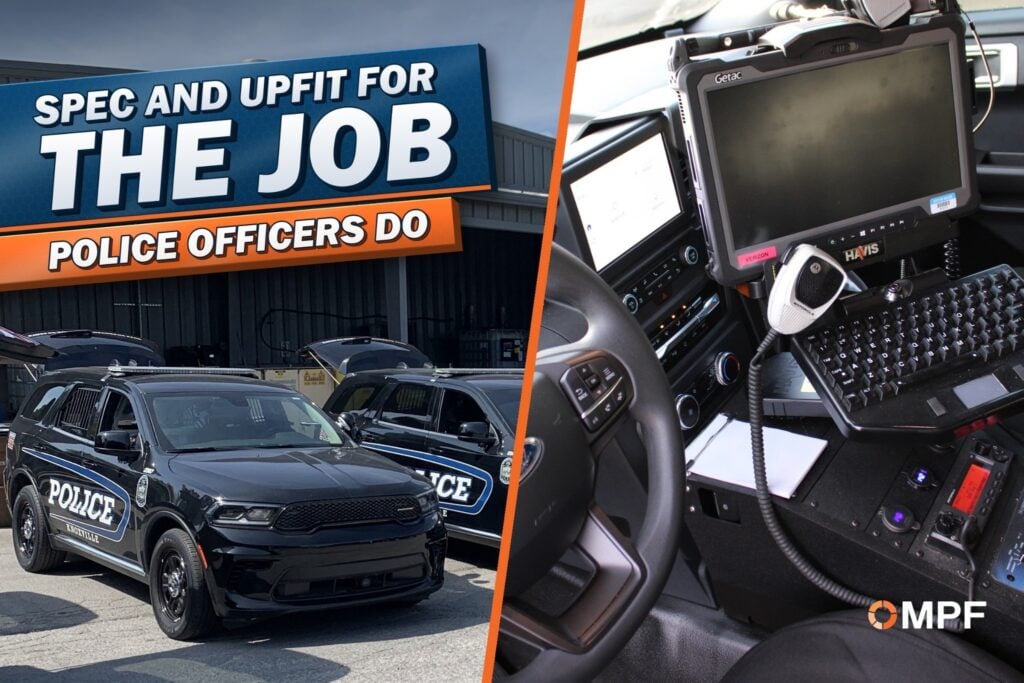
A marked patrol car running around the clock faces different demands than a detective’s sedan. Add in the unique needs of K-9 teams, traffic units and other specialized assignments, and it’s easy to see that a one-size-fits-all approach to police vehicles will fall short.
Still, standardization offers undeniable benefits. Buying similar vehicles can simplify procurement, parts inventories, technician training and upfitting. The challenge lies in determining when standardization makes sense and when the mission demands something else.
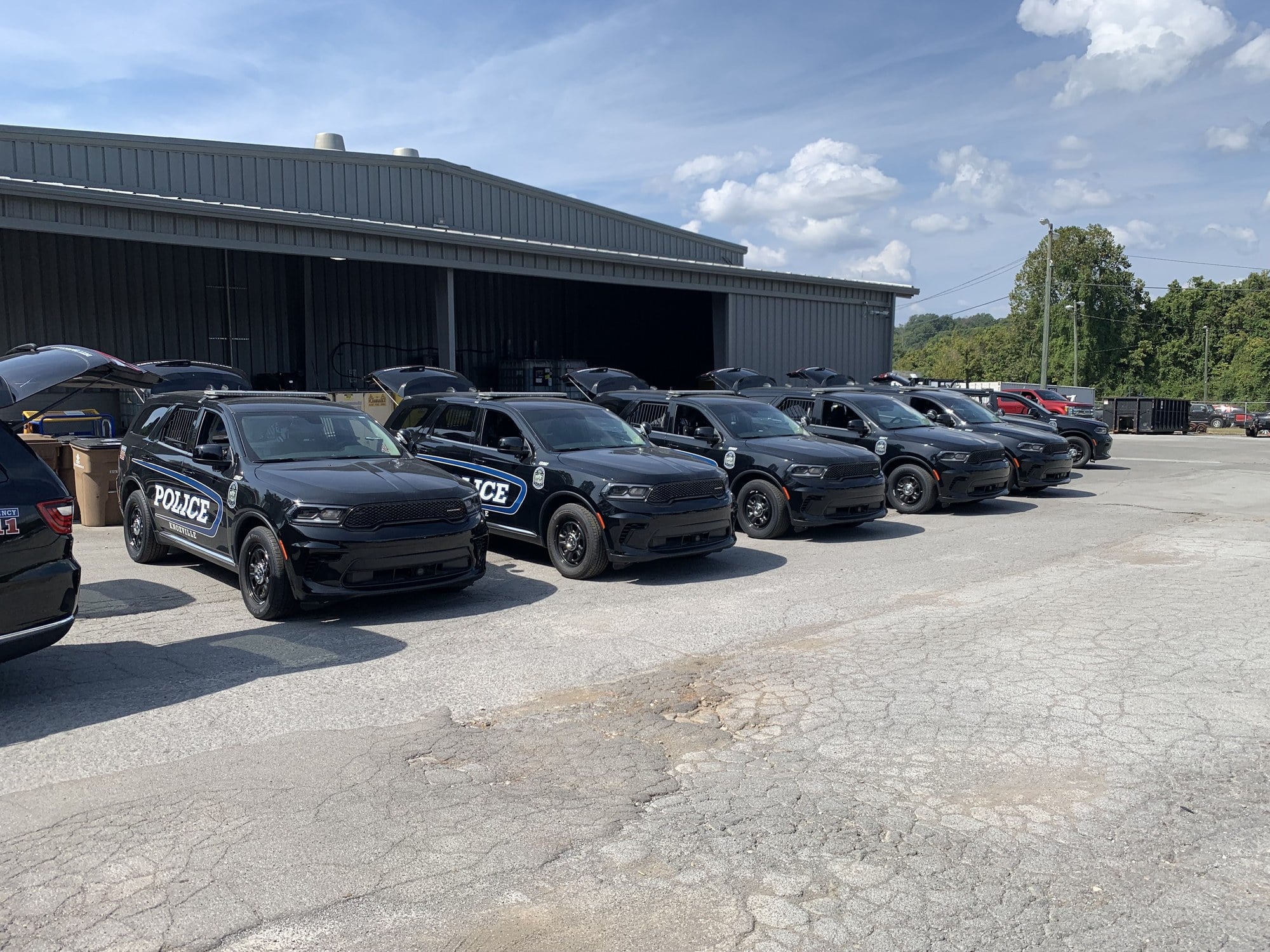
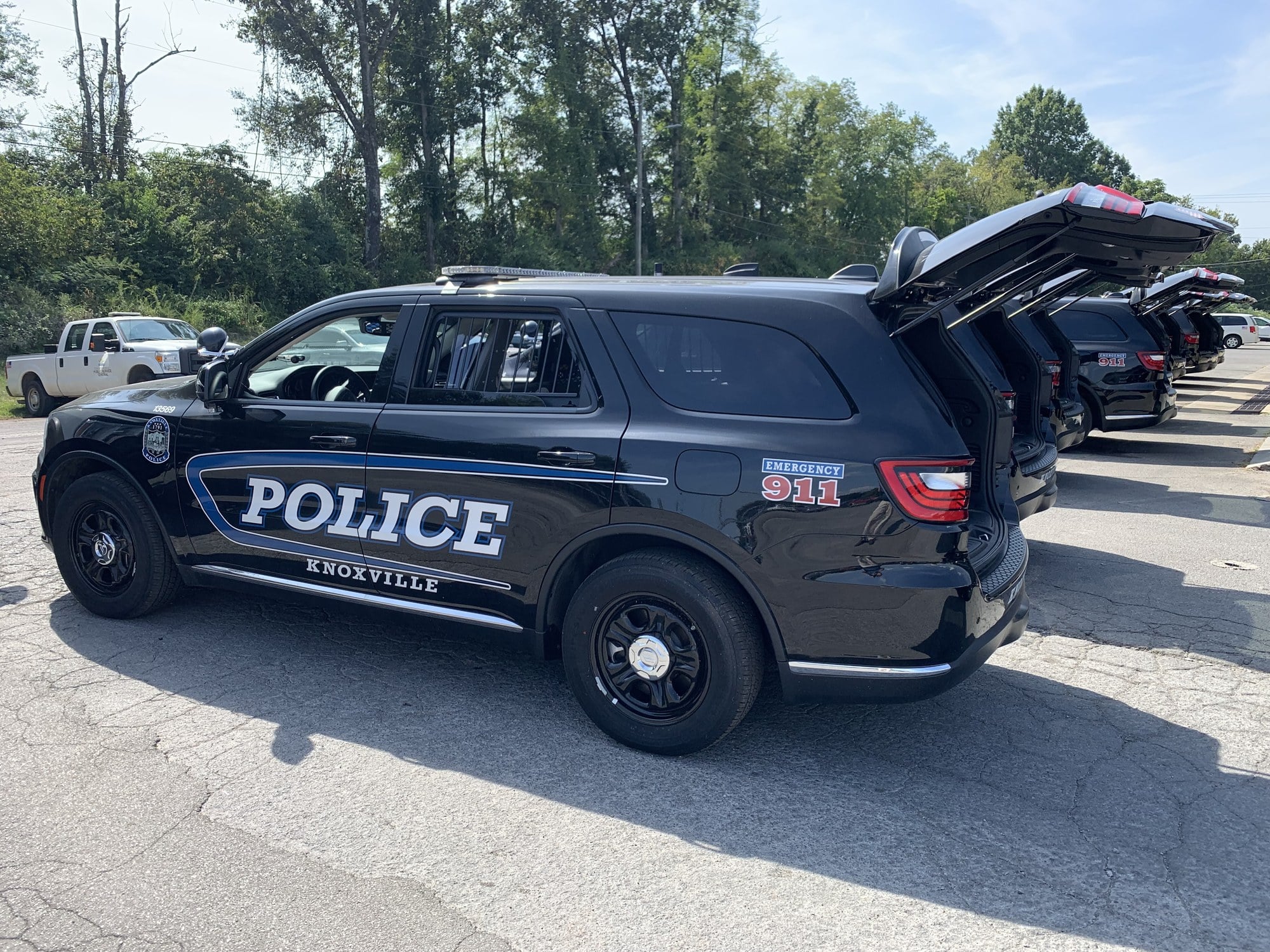
Knoxville, Tennessee, Fleet Services starts with understanding the job each vehicle must perform. This division maintains over 1,400 vehicles and pieces of equipment citywide, including a police fleet of about 600 vehicles.

“Of that number, 550 are classified as frontline vehicles,” says Nicholas Bradshaw, director of fleet services for the City of Knoxville. “Around 350 are marked, while another 120 vehicles are unmarked. The remaining vehicles include motorcycles, boats and trailers.”
That mix illustrates the range of assignments within a single police fleet and why vehicle specifications must reflect the work officers do.
Define the Job First
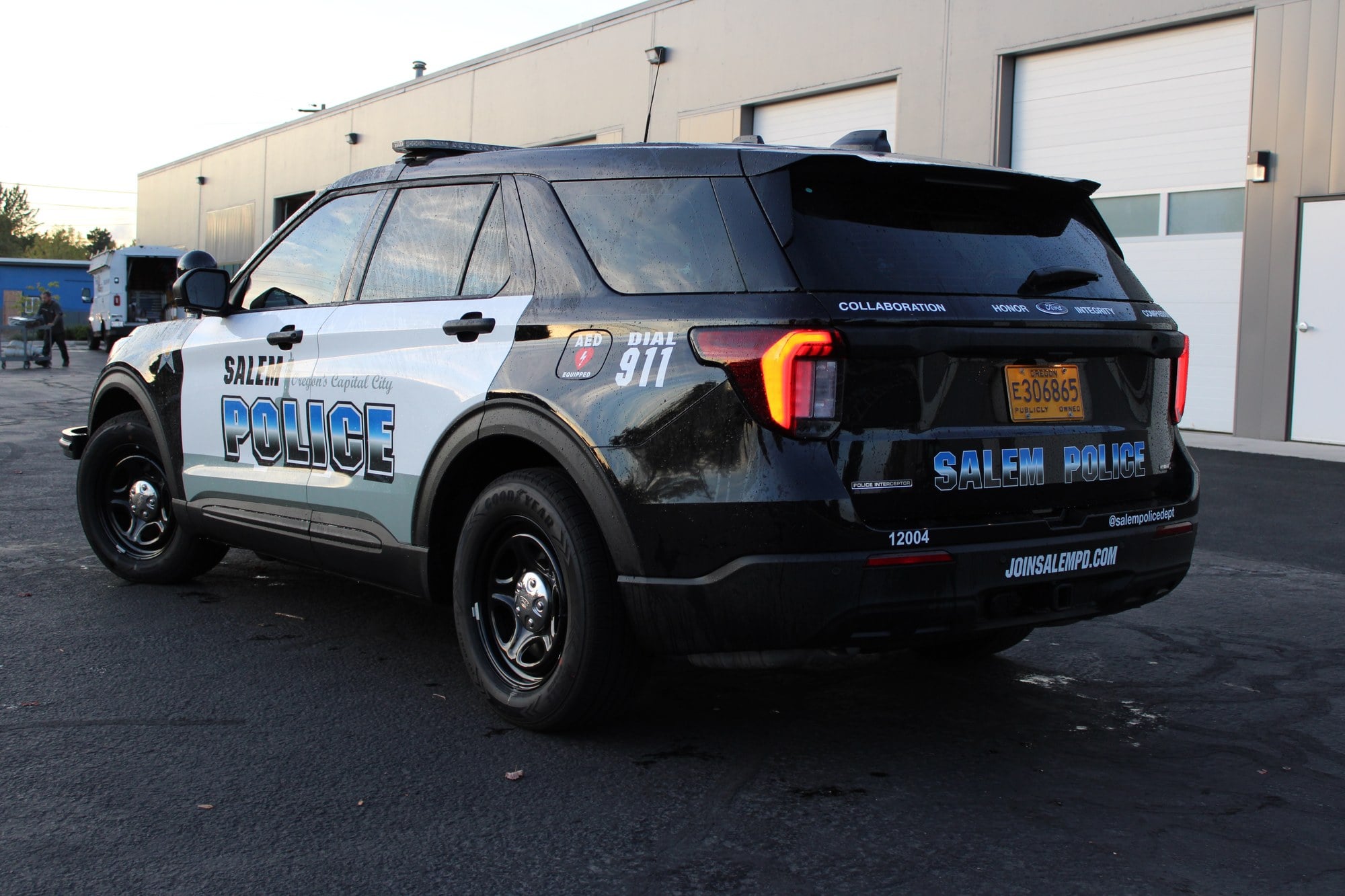
A police car functions as a workspace, equipment transporter, and emergency vehicle. The City of Salem, Oregon, takes that reality into account when spec’ing police vehicles.

Jim Schmidt, the city’s Service Technologies Division Manager, oversees a municipal fleet of 1,150 assets that includes police and fire, public works, construction and passenger vehicles. The Service Technologies division handles all vehicle acquisition, maintenance, repair and fueling.
But when specifying police vehicles, Schmidt says the police department determines its operational needs, and fleet supports those decisions with its expertise.
“They tell us how many vehicles they want. Then we have a Safety Committee that reviews the standards, including the style of vehicle and what they need inside and outside,” he says. “Fleet is there to support them in those decisions.”
Focus groups supplement the Safety Committee. Sgt. Jonathan Hardy of the Salem Police Department explains these groups include officers from different shifts, sergeants, supervisors and other end-users.
These user groups evaluate how each vehicle will support the department’s operational needs as roles and police specialties evolve. Hardy explains, “What worked as a vehicle five years ago doesn’t always work today.”
 1 / 3
Understand How the Vehicle Works
Knoxville tests prospective police vehicles in real-world conditions to assess their suitability.
The last time the city evaluated new patrol vehicles, it put five police-package models from Ford, Chevrolet and Dodge into service. The vehicles were operated 24 hours a day, seven days a week, before being assigned to patrol officers for further evaluation.
Officers evaluated performance and ergonomics, while Fleet Services tracked maintenance and operating costs. The city examined 34 factors, including cost per mile, emergency acceleration, braking, steering, visibility and ease of entry and exit.
An extensive evaluation like this gives fleet managers a clearer picture of how a vehicle will perform under the conditions it will encounter.
 1 / 3
In Salem, Oregon, operating conditions also help determine how quickly different police vehicles cycle through the fleet. The city’s marked patrol cars are part of a motor pool, not take-home units, which means they can remain on the road around the clock.
“Most of them get used 24/7. One officer gets out and another hops in,” Hardy says. “Those vehicles get replaced more often, while detective and administrative vehicles stay in service for many years.”
Salem replaces most police vehicles every five to six years, but age alone doesn’t drive the decision. Schmidt also weighs vehicle condition, repair history, crashes and upcoming major maintenance. The city also rotates police vehicles to balance utilization across the fleet.
Even then, the odometer tells only part of the story.
Schmidt explains heavily used police vehicles may only travel about 25,000 miles a year but accumulate a lot of idle time. In fact, he says some vehicles log over 20,000 engine hours a year.
“So, by the time five years arrives, you might have 130,000 miles on a vehicle, but they are hard miles,” Schmidt says.
He shares this is why duty-cycle profiles should consider mileage, as well as hours of operation, idle time, assignment, equipment load, operating conditions and expected response requirements. All of these things impact how quickly a vehicle wears out .
Avoid Unnecessary Capabilities
Salem patrol assignments receive pursuit-rated vehicles. But investigations and administrative assignments do not. Community safety officers drive trucks that are not pursuit rated because their assignments do not include pursuits, though they may respond to crashes.
These distinctions matter financially. A fleet that purchases the highest police specification for every assignment will pay for performance and equipment some employees never use. Going too far in the opposite direction, however, might mean a vehicle lacks capabilities an officer needs.
The goal is to purchase the right vehicle for the assignment, according to Bradshaw.
Knoxville’s mix of marked, unmarked and support vehicles demonstrates how varied those requirements can become within a single police department. Bradshaw says Fleet Services’ role is to help departments identify equipment that fits the work they perform.
“Fleet Services provides the expertise and assistance to our customers in the Police, Fire, Public Service, Engineering, Parks and Recreation and other departments to acquire the best vehicles and equipment to fit their needs,” he says.
Treat Vehicles as Workspaces
Patrol puts heavy demands on vehicle specifications. Hardy explains, “Our patrol cars must function as mobile offices and be versatile enough to do everything that we do on a daily basis.”
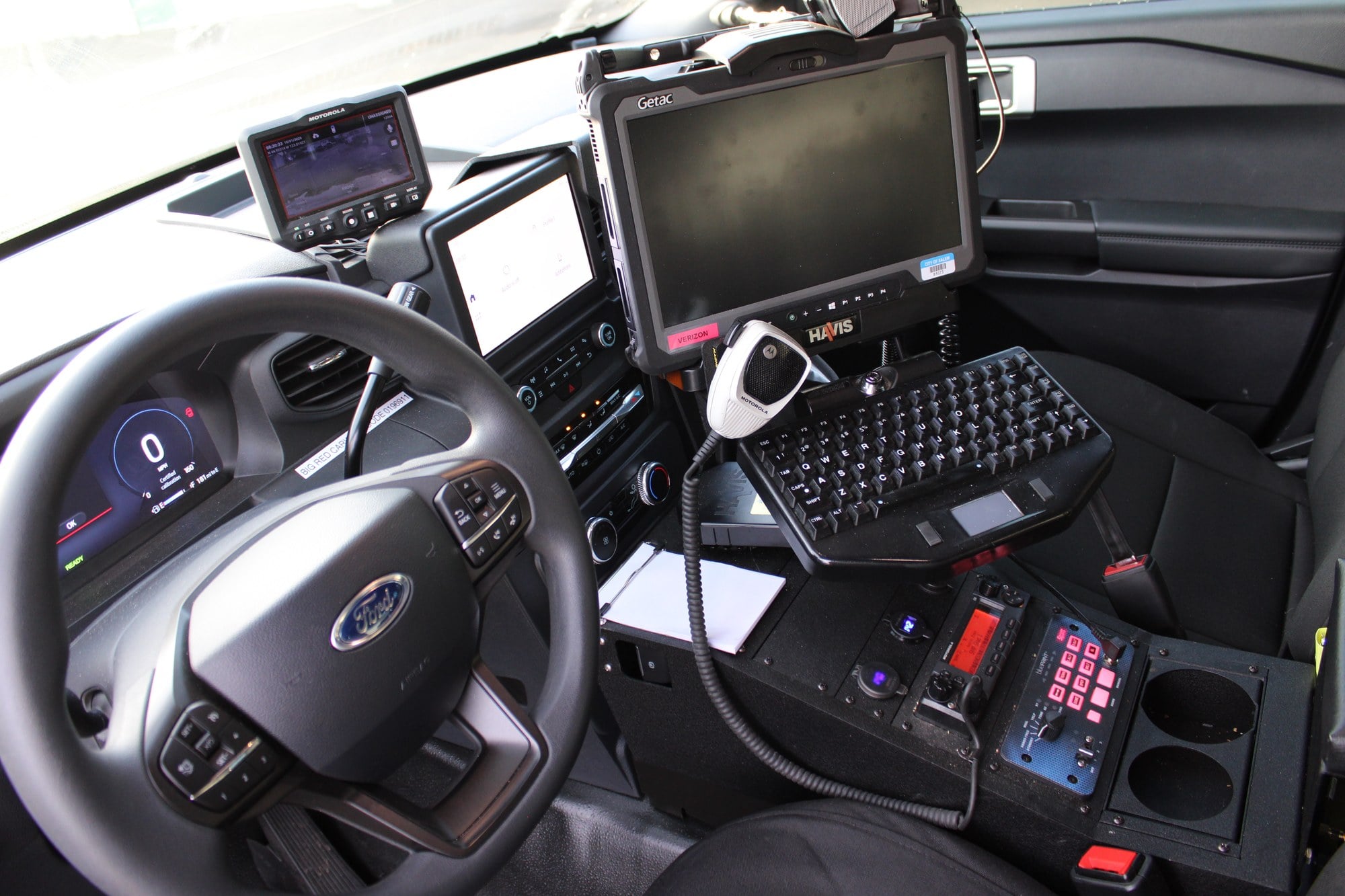
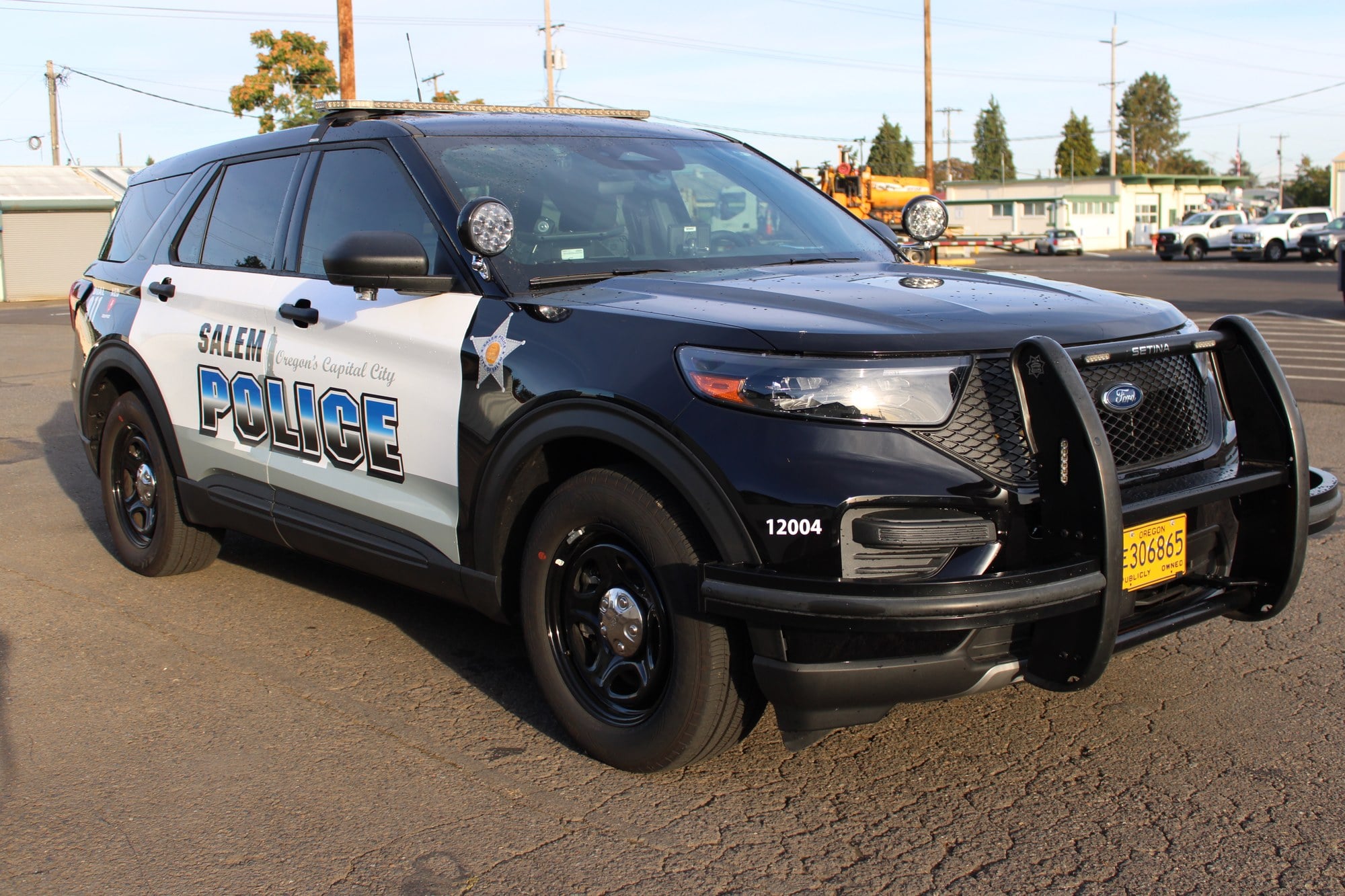
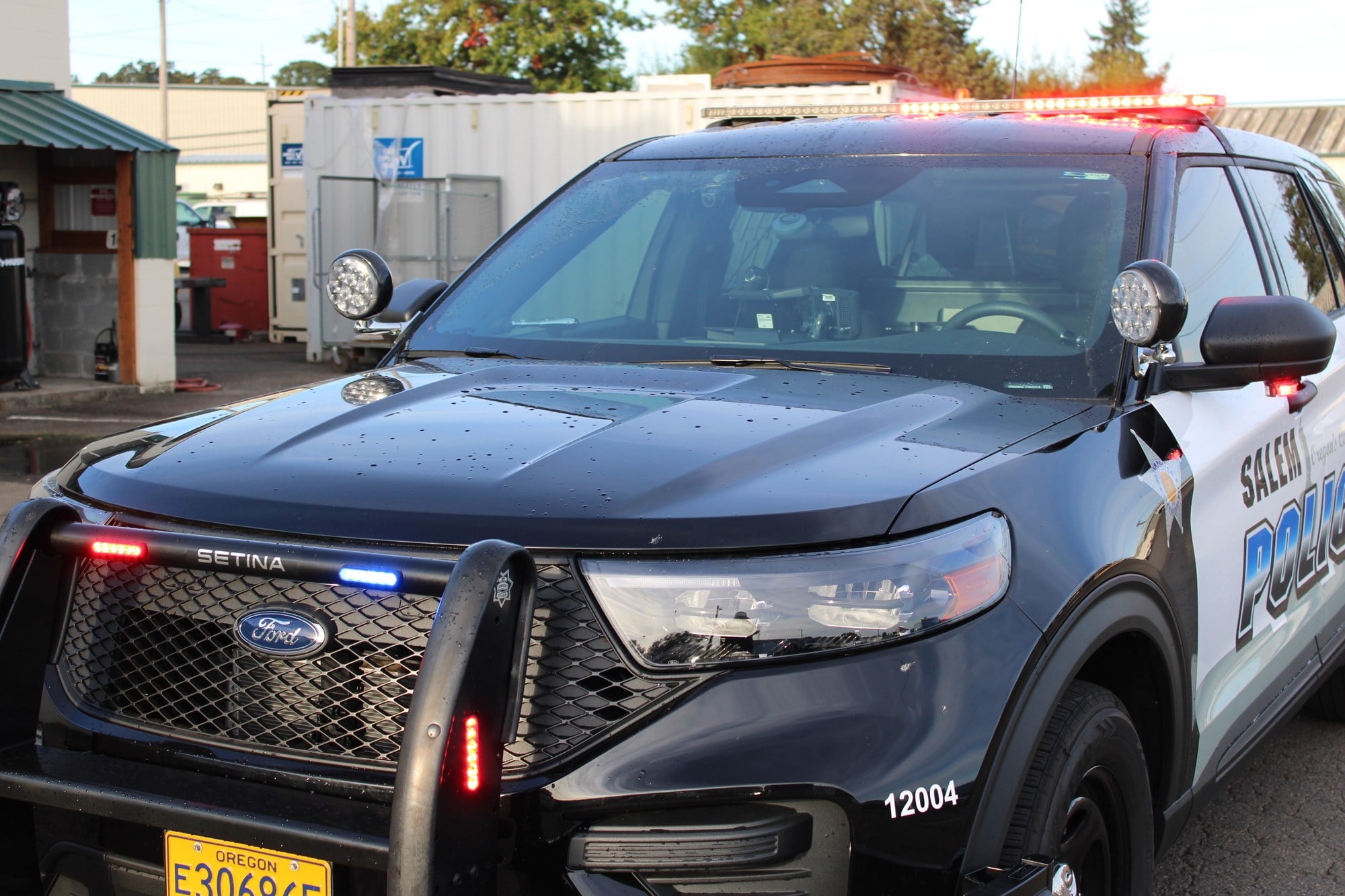
Salem relies on Ford Police Interceptor Utility vehicles for patrol, with Chevy Tahoe’s serving supervisor and K-9 assignments. Hardy notes that the department has considered smaller vehicles or platforms, but cargo and interior space become key issues.
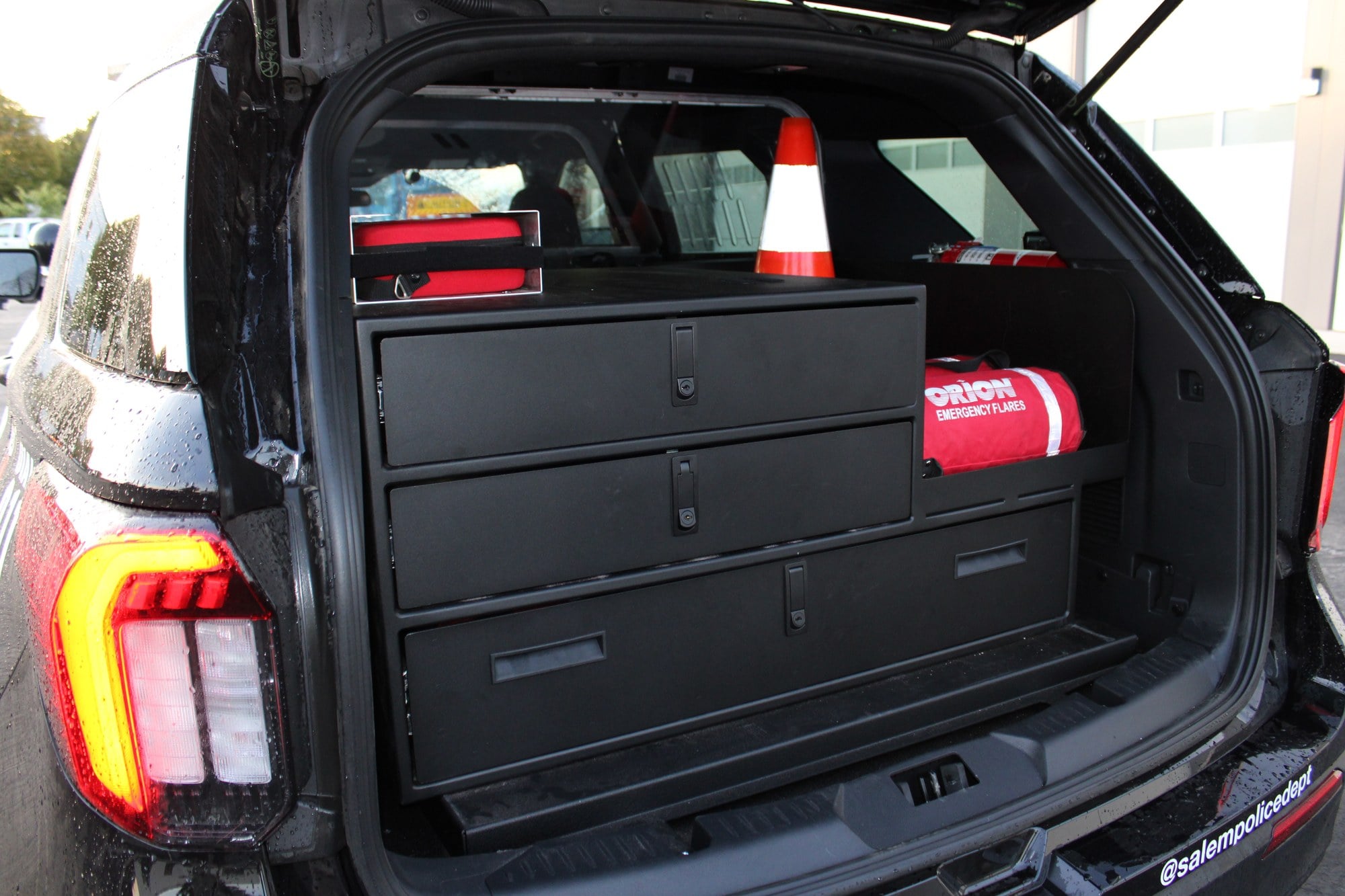
He explains that officers carry an expanding assortment of gear, including drones, tools and tactical equipment that must be available for rapid response. “Because officers have so much to carry now, the vehicles we spec must be versatile,” he says. “That means we need to look beyond a vehicle’s exterior dimensions or published cargo volume.”
Hardy says he has found major variations in cubic space inside vehicles and behind the driver’s seat, even among vehicles of the same size. “It’s actually pretty shocking when you get into it and realize how much usable space there really is,” he says.
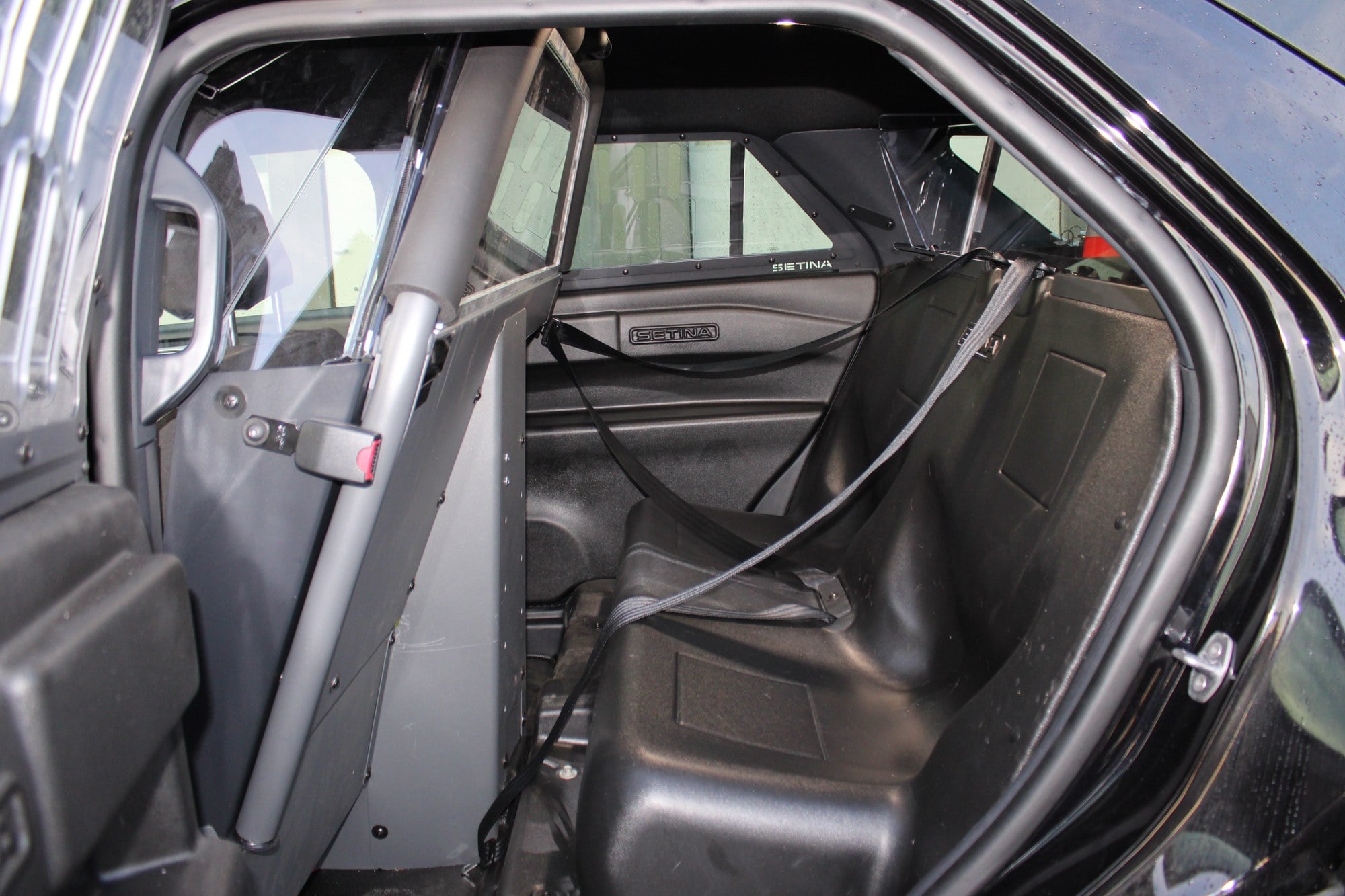
Prisoner transport also must be considered, he adds. Hardy says the department once considered smaller sedans but decided against them because the backseat was too small.
“The people being arrested may have done something wrong, but it doesn’t mean that we should treat them any less human than they are,” he says. “We want to something that gives them enough room. That gets harder and harder to find as cars get smaller and smaller.”
Match Powertrain to Conditions
The same mission-based thinking applies to under the hood, according to Schmidt.
Salem specifies all-wheel drive (AWD) because the area experiences snow and ice. In the past, officers would bring vehicles into the shop to have chains installed. AWD helps them maintain control and continue operations without that interruption.
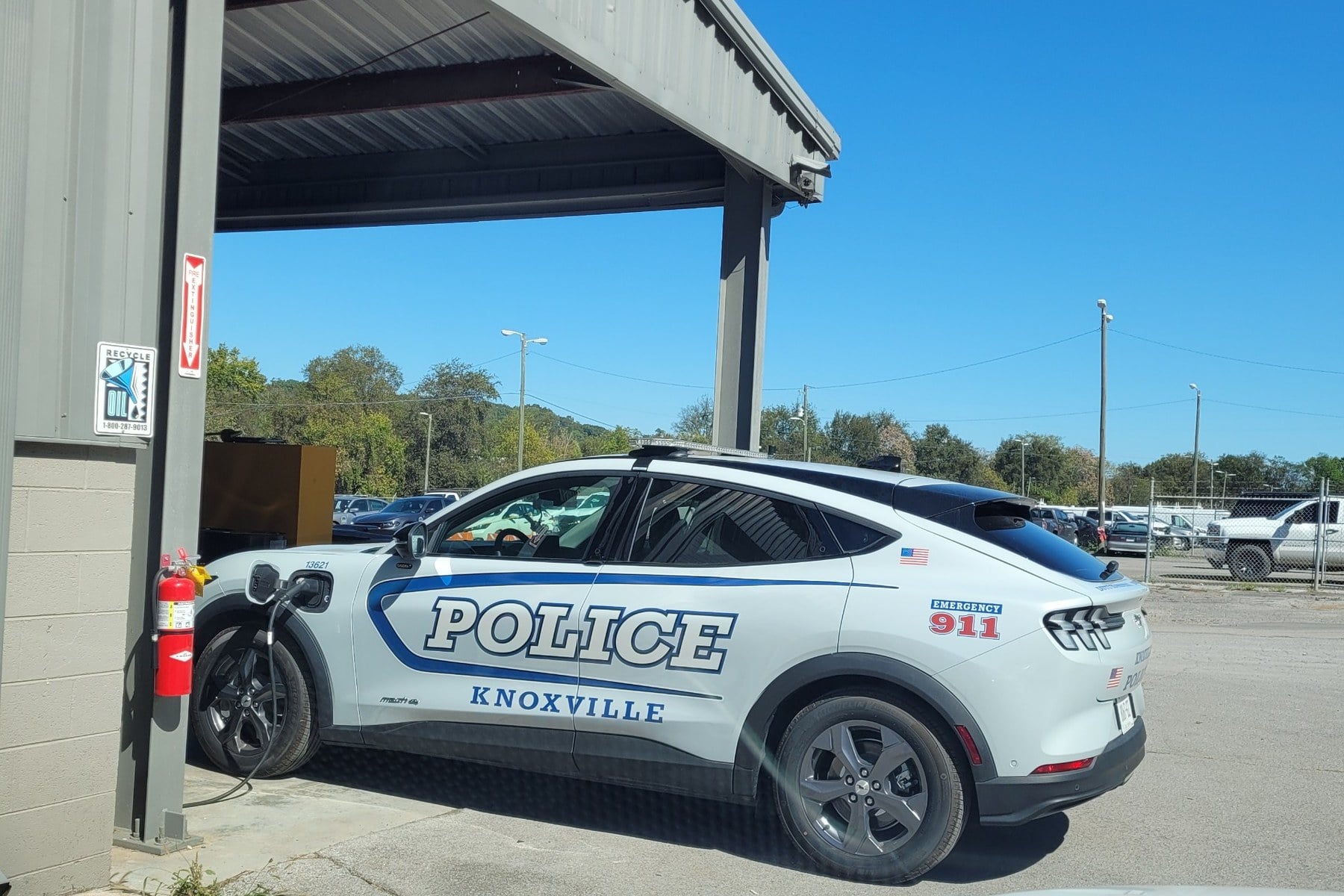
The city has also added hybrid vehicles and considers fuel use, engine hours and maintenance costs when evaluating them. Schmidt notes that regenerative braking can reduce brake wear, while hybrid operation can trim idling and engine run times.
Alternative powertrains must still satisfy the mission. Schmidt says as Salem has added hybrids and EVs, they also considered the disruption they’d cause if the electrical grid went down.
“We want to add electric vehicles to help the environment. But at the same time, we understand that these fire trucks and police cars have to go,” he says. If something bad happens, the community does not care if you can charge your vehicles. They only care whether you get there.”
Build the Upfit Into the Decision
Lights, cages, computers, radios, storage, consoles and other equipment also must be considered when spec’ing police vehicles. This equipment can greatly impact vehicle costs and functionality.
Salem tries to reuse its equipment whenever possible, transferring overhead lights, rear seats and cages, toolboxes and bumpers to the new vehicle. Hardy adds mobile data computers, printers, keyboards and radios to that list.
“Anything that’s hardware related, we’ll try to reuse as long as it’s in good condition,” Hardy says.
That strategy can lower replacement costs but also highlights another specification issue. Model year changes can make reusable equipment unusable.
Schmidt says that even changes within the same vehicle platform can alter interior configurations enough that existing equipment no longer fits. The fleet must then purchase replacement upfit components, adding to new vehicle’s cost.
Maintainability also must grab attention, according to Schmidt.
He shares a situation where Salem officers worked with a local vendor to develop a custom rear toolbox. Fleet technicians quickly pointed out that its placement would block the auxiliary battery, adding work hours to repairs. Repositioning the equipment preserved access so that technicians did not have to remove the toolbox for a simple battery repair.
“For us it’s about availability,” Schmidt says. “We don’t want the car in there any longer than it has to be.”
Let Data Challenge Assumptions
Maintenance and lifecycle data can also show whether a vehicle is delivering expected value.
Salem tracks parts, repair costs, replacement frequency and overall lifecycle costs through its fleet management system. Schmidt says availability is the fleet’s top metric, including how long a vehicle remains in the shop, how quickly technicians return it to service, and whether parts are readily available.
He stresses that having this information in hand influences replacement cycles.
“We’ve had vehicles we’ve kept for a couple years longer than we normally would because the maintenance on it has been so low, or we’ve had ones we’ve replaced sooner because the maintenance was too high,” he says.
The data also informs future specifications. If one platform repeatedly spends more time in the shop, consumes more fuel or requires costly components, fleet brings that evidence to the next vehicle discussion.
Separate Needs from Wants
Inviting officers into the specification process doesn’t mean every requested feature belongs in the final build. Hardy says Salem works with officers to distinguish between a “nice to have and a need to have.”
Modern police vehicles can incorporate sophisticated controls and extensive programming, but adding technology doesn’t make a vehicle more effective. Sometimes simple controls remain valuable because officers can find and operate them instinctively during stressful situations.
At the same time, Hardy points to programmable light-bar controllers as an example of technology that can add functionality without making an officer’s job more complicated. Salem has used controllers that allow emergency lighting on multiple vehicles to communicate and synchronize.
“There is a balance to it,” Hardy says. “Keep it simple, while making slight improvements.”
Build the Spec Together
In both departments, the police vehicle selection process begins with the assignment and the following questions:
- What does this officer do?
- How often will the vehicle operate?
- What must it carry?
- Does it need pursuit capability?
- What operating conditions will it encounter?
- What will be installed in it?
- How will technicians maintain it?
- And what will all of that cost over the vehicle’s service life?
Hardy says communication drives every vehicle specification. He explains end users need to understand that fleet operates within real constraints, while fleet personnel must understand what officers encounter on the road.
A strong partnership between police and fleet can avoid over- and under-specifying vehicles, they say.
Under-specifying can leave officers without the capacity or capability necessary to perform the job. Over-specifying can saddle a fleet with higher acquisition and operating costs for features an assignment rarely or never uses.
The better approach starts before anyone chooses the vehicle. Define the mission, understand the duty cycle and then build the specification around the work.