GM Forward 2026 Ties AI Development, New EV Platform, CCU and OnStar Into One Software Strategy
Presented at GM Forward 2026 and adapted into a written release published Oct. 21, the plan targets a two-year vehicle development cycle and debuts a centralized compute unit on the 2028 Cadillac Escalade IQ before rolling across gas and electric lineups.
 1 / 3
Source: GM ↗
General Motors laid out a multipart technology strategy at its GM Forward 2026 event, tying together AI-accelerated vehicle development, a new centralized compute architecture, a fourth-generation electric vehicle platform, and an expanded OnStar intelligence system under a single organizing principle: that software, not the powertrain, will define what its vehicles can do.
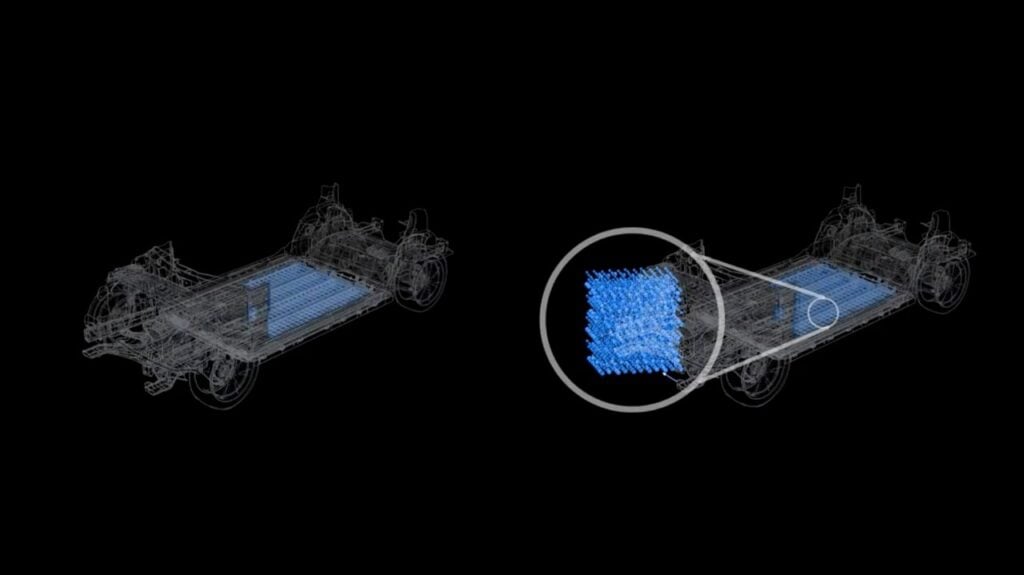
The plan, presented as mainstage remarks at GM Forward 2026 starts on the engineering side. GM said it is targeting a vehicle development cycle of two to two-and-a-half years, cutting the traditional four-to-five-year timeline in half through enterprise AI and virtualization. The company described a concurrent engineering model that brings design, engineering and manufacturing together on a unified digital thread from the start of a program. The battery chemistry program illustrates the pace it is aiming for: using lithium manganese rich, or LMR, chemistry, the team ran more than 300,000 battery designs virtually before building a single physical prototype, then moved from the first battery pack concept to formal program approval in one month.
That development approach is feeding directly into GM’s fourth-generation electric vehicle platform, which the company said is built to bring electric mobility to mainstream buyers at scale. Three technical changes define it. The platform uses LMR battery chemistry, which GM said delivers improved range-to-cost ratio, performance and durability. Redesigned drive units use more compact motors and power electronics that reduce parts count by 40% compared to current systems. A new centralized compute and electrical architecture provides the foundation for energy management, over-the-air software updates and in-cabin features.
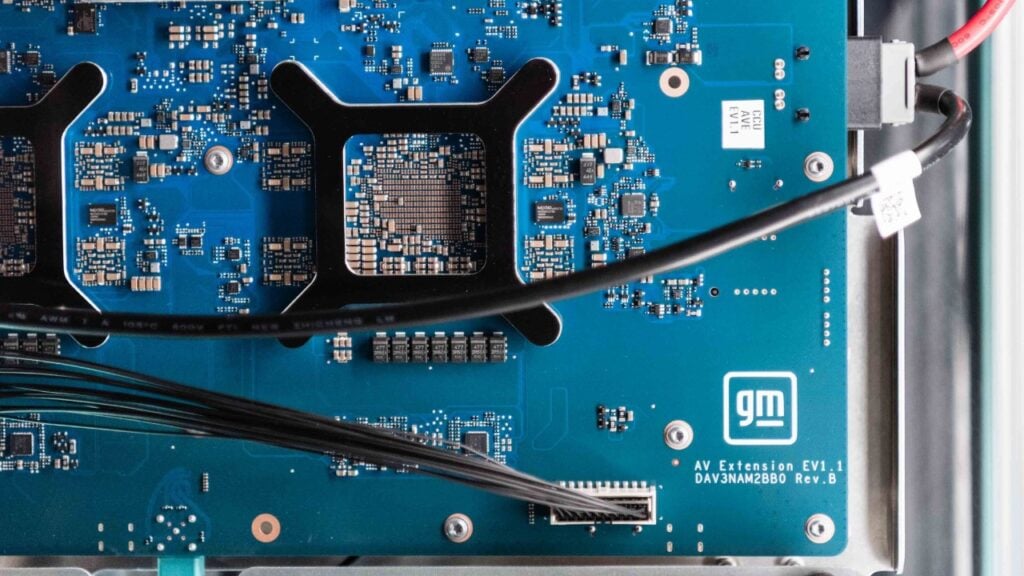
That centralized architecture is the piece with the widest reach across the product lineup. GM is building what it calls a Central Compute Unit (CCU), a single high-speed module that consolidates perception, propulsion, active safety and chassis controls onto one platform rather than distributing those functions across separate hardware. The CCU delivers 40 times more computing power than the previous architecture, with 30% less wiring length and mass, and up to 50% faster cellular connectivity. Because the software is decoupled from the physical hardware, GM said the platform can support both in-cabin AI and autonomous driving simultaneously.
The CCU is set to debut on the Cadillac ESCALADE IQ in 2028. After that, GM plans to roll the architecture across gas-powered full-size SUVs and trucks, three-row crossovers and fourth-generation electric vehicles, which means vehicles including the Chevrolet Silverado are in scope. The company described the rollout as one of the largest multi-segment introductions of software-defined vehicles in the industry.
OnStar is the delivery mechanism for much of the in-vehicle intelligence. As OnStar marks its 30th anniversary, the service currently connects more than 12 million subscribers across 22 markets, and OnStar advisors handle more than 20 million calls in North America each year. GM plans to launch an OnStar AI Assistant in the 2027 Cadillac LYRIQ through an over-the-air update, with additional GM vehicles to follow. Starting in 2027, a new OnStar mobile app will replace the current OnStar Guardian app and the separate Buick, Cadillac, Chevrolet and GMC brand apps, consolidating vehicle management, connected camera features including crash and safety recordings and live view, and proactive safety features into a single interface. GM said customers will control which features are active and can change those choices at any time.
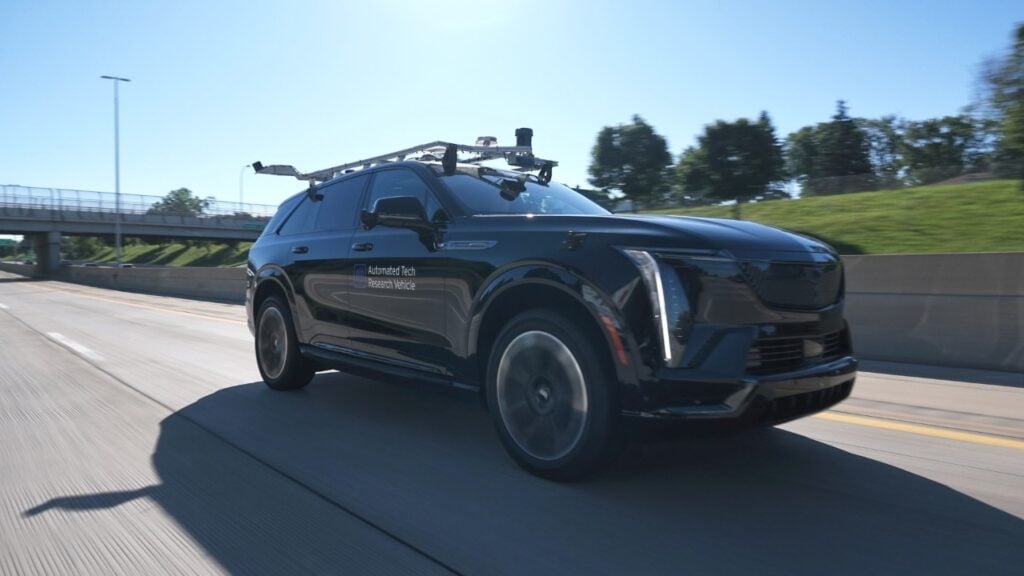
The autonomous driving work runs on the same compute foundation. GM said pre-production vehicles are now undergoing closed-course testing following last year’s announcement that autonomous highway driving will debut on the Cadillac ESCALADE IQ in 2028. The company said it plans to extend that capability to gas-powered vehicles, including full-size SUVs and light-duty pickups, beyond the initial electric vehicle launch. The learning system behind the autonomy stack draws on approximately 1 million miles of full-rate, multisensor data generated each month by hundreds of data-collection vehicles running continuously across the country. GM said it has also developed a reinforcement learning method it calls self-play, where the system, in its description, “dreams” of increasingly complex driving scenarios, enabling the autonomy stack to learn more scenarios faster. The autonomy work builds on 1.2 billion miles of Super Cruise data already accumulated from customer driving.
The over-the-air update pathway for the OnStar AI Assistant means the 2027 Cadillac LYRIQ is the first vehicle in line to receive the new intelligence layer, with the broader rollout to other GM models dependent on the CCU reaching production at scale beginning with the 2028 ESCALADE IQ.