
Ford Ships First LFP Battery Cells From Michigan Plant for Fathom Electric Pickup Prototypes
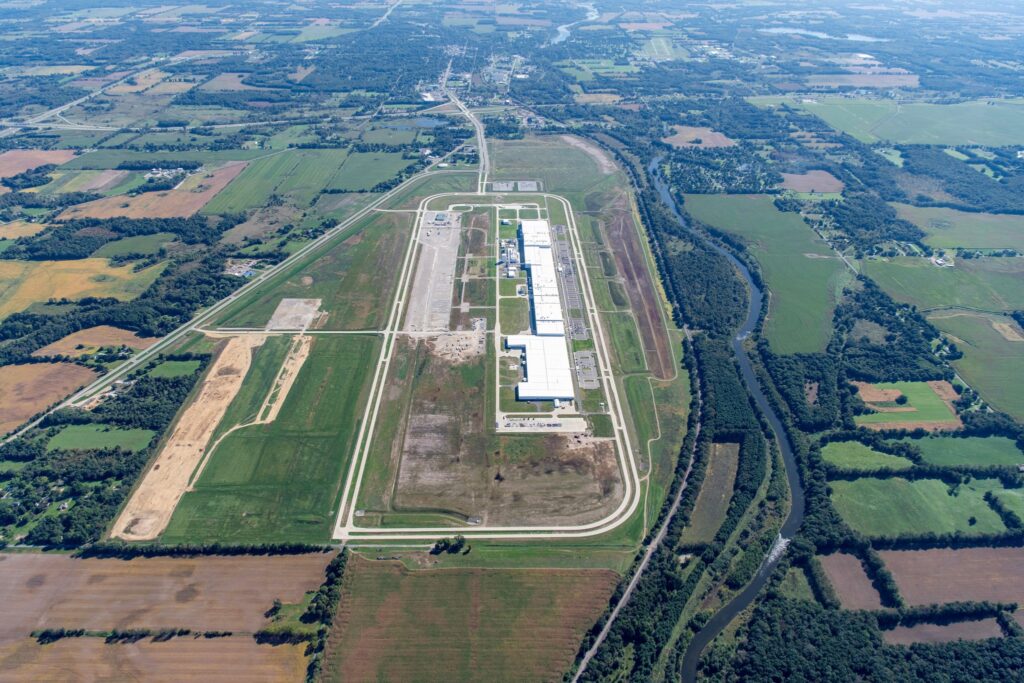
The lines at BlueOval Battery Park Michigan can build 40 prismatic cells a minute, and Ford plans to have its Marshall battery pack plant running in 2027 ahead of the Fathom’s launch.
 1 / 6
Source: Ford Motor Co. ↗
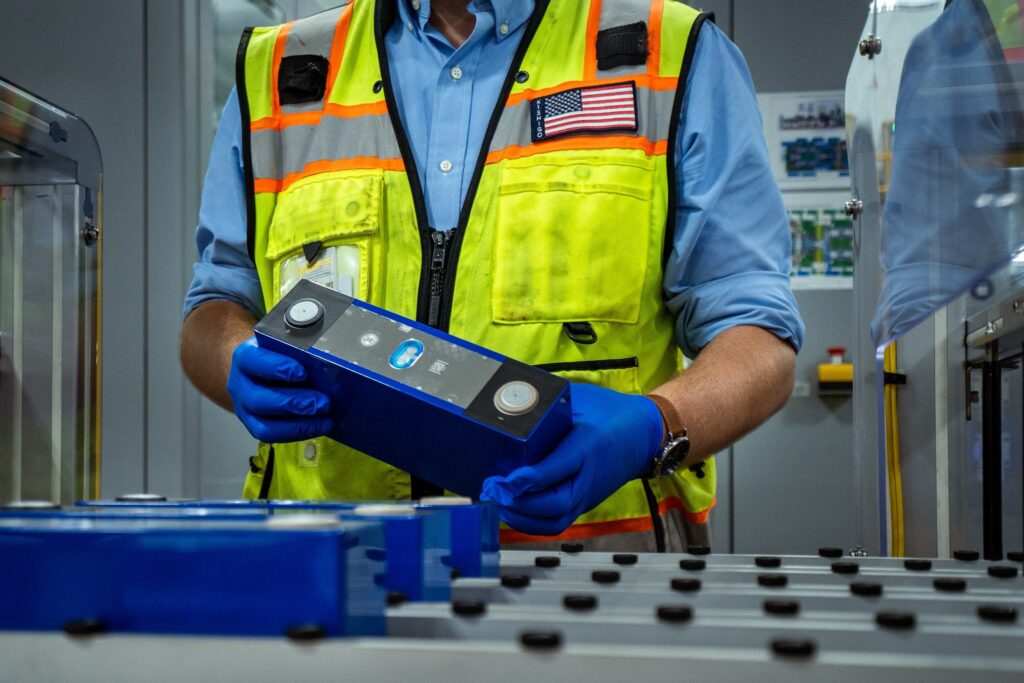
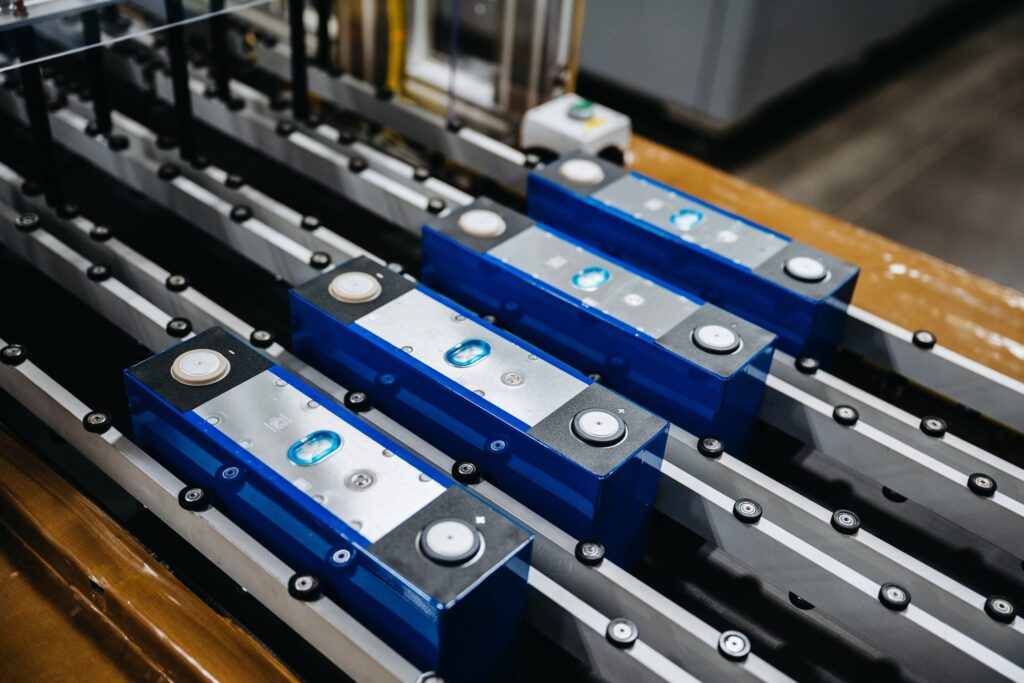
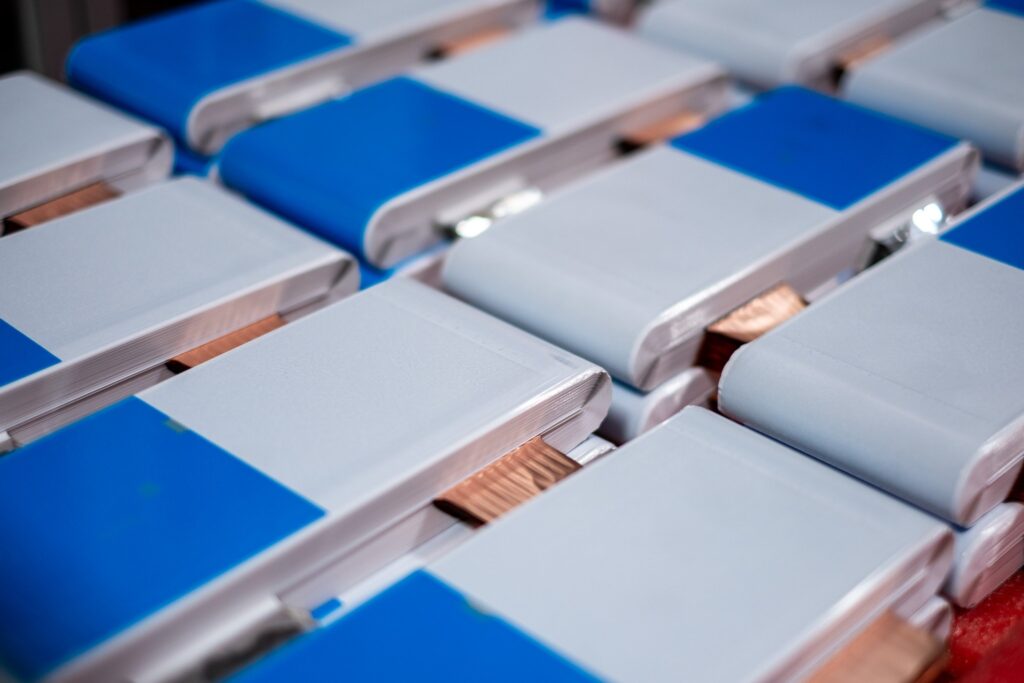
Ford has started shipping lithium iron phosphate (LFP) battery cells from a plant it owns and operates. The first prismatic cells from BlueOval Battery Park Michigan in Marshall are headed to Louisville Assembly Plant to power prototypes of the Fathom, the midsize electric pickup Ford has priced under $30,000.
Ford said it will be the first to deliver LFP batteries in the U.S. for mainstream consumer automotive use. Charles Poon, Ford’s vice president of hardware engineering, wrote Nov. 18 that the team designed, built and launched the plant on schedule.
Why Ford Chose LFP
LFP chemistry uses no nickel or cobalt, which helps hold down costs, and Poon wrote that it holds up over years of charging and use. That durability matters as Ford adds ways to use the battery beyond driving, such as AC bidirectional power, which lets the truck take electricity from a properly equipped home and send power back to it. Ford notes those home power features require its Home Power Station and, depending on the feature, utility approval or notice.
Alan Clarke, Ford’s vice president of advanced development projects, set the goal of finding an efficient LFP prismatic battery when he joined the team that created Ford’s Universal Electric Vehicle Platform. The search led Ford to CATL, which Poon called the world’s leading battery manufacturer, with batteries in 30 million vehicles.
The pack is part of the truck’s structure. Ford chose prismatic, or rectangular, cells because they fit directly into the chassis and cut structural costs. It also combined the electrical and sensing connections into a flexible circuit board and built compact power electronics into the pack.
“Our rule: The best part is no part, and the second-best part is one that serves multiple purposes,” Poon wrote.
40 Cells a Minute
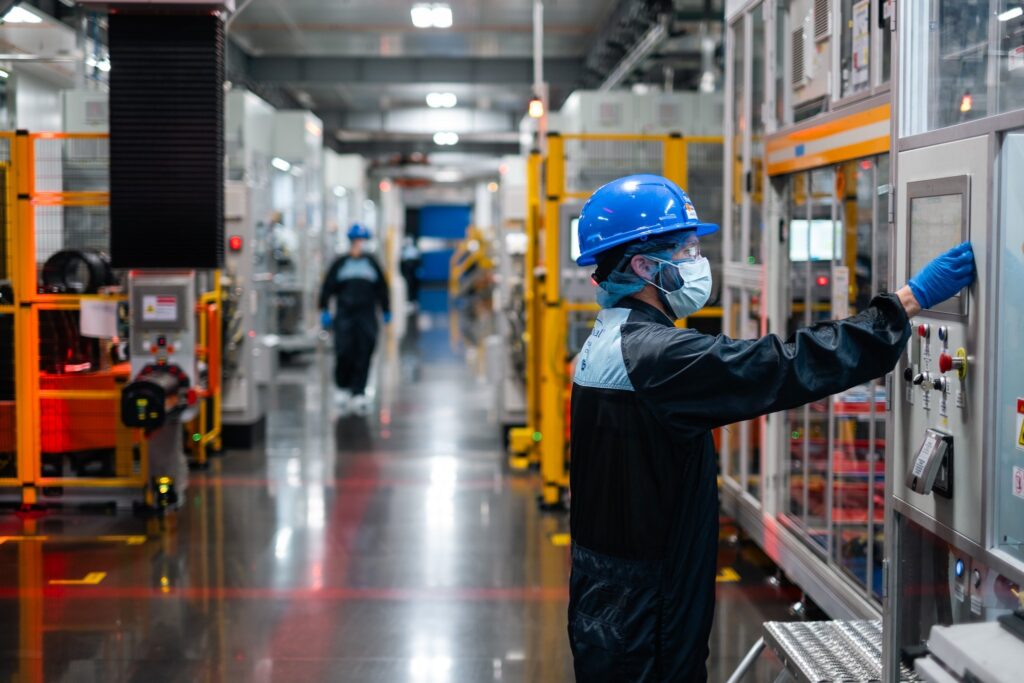
The assembly lines at BlueOval Battery Park Michigan can deliver 40 cells a minute, which Ford said puts them among the fastest LFP prismatic battery lines outside China, based on cells per minute. The plant has capacity for more.
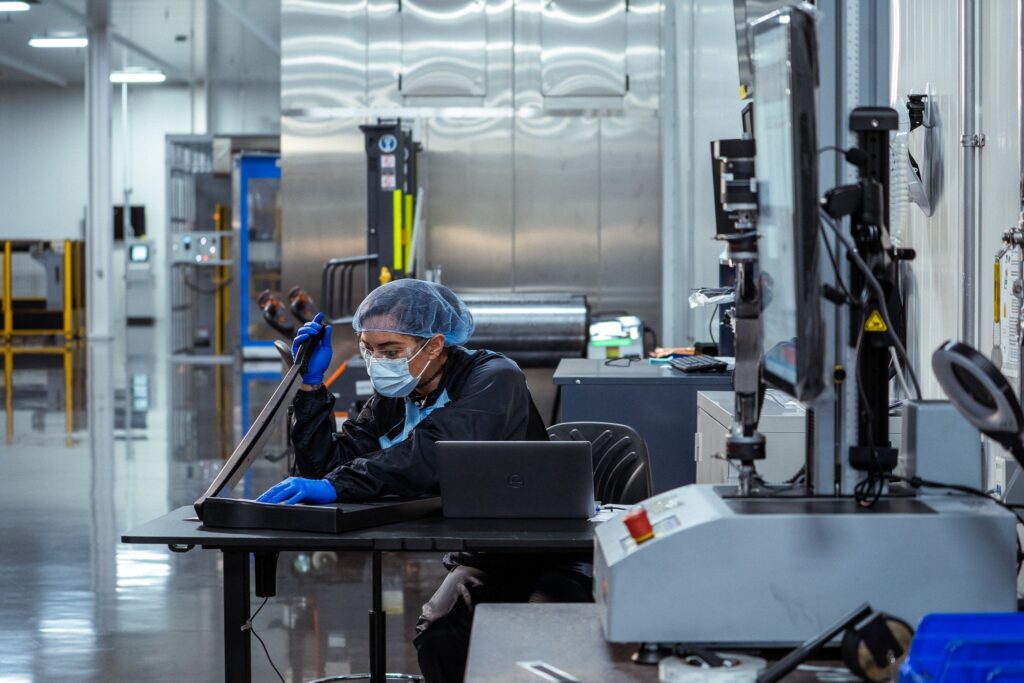
Employees use AI-powered image recognition and other tools to spot defects during production.
“Our goal is to make defective cells so rare that we track their frequency per billion cells rather than per million,” Poon wrote.
What Comes Next
The first shipments will power Fathom prototypes and inform development. Ford plans to have its battery pack plant in Marshall running in 2027, ahead of the Fathom’s launch.
The work in Michigan is also feeding Ford Energy’s preparations for battery energy storage production in Glendale, Ky. Poon wrote that the applications, customers and products will be different, but the design expertise, controls and manufacturing experience apply to both businesses.
Modern Public Fleet has also covered the Fathom’s built-in bidirectional inverter and Ford’s battery health data, which includes charging advice for LFP packs.