Calgary Transit Speeds All-Weather Tire Switch After Pilot Cut Stuck Buses 45%
About 500 of its 40- and 60-foot buses now run the tires, the agency says the switch adds no tire or changeover costs, and the whole fleet should have them by the end of 2027 instead of 2029.
Source: Calgary Transit ↗
Calgary Transit buses on all-weather tires had 45% fewer stuck-bus incidents last winter than buses on all-season tires, and the agency now expects its entire 40- and 60-foot fleet to run the tires by the end of 2027.
The pilot ran 11 buses on all-season tires against 11 on all-weather tires “on routes with known winter traction trouble spots,” Calgary Transit said Nov. 18. During one four-day stretch with more than 10 centimeters of snow and 100 stuck buses across the fleet, the buses with all-weather tires got stuck less, the agency said. A Calgary Transit spokesperson told Daily Hive the pilot buses on all-weather tires had 18 stuck-bus incidents, compared with 33 for the buses on all-season tires.
Half the Fleet Converted
About half of Calgary Transit’s 40- and 60-foot buses, about 500 in all, now have all-weather tires. The agency started replacing worn or damaged all-season tires with all-weather ones last year. When the City of Calgary announced the change in November 2025, it expected the tires to be on the entire bus fleet by 2029. The new target is the end of 2027.
The tires are rated with the Three-Peak Mountain Snowflake symbol, the city said in 2025, and “have undergone rigorous testing for snow traction.” They are used year-round.
No Added Cost
Calgary Transit said the approach improves winter traction “without added costs for tires, seasonal tire changeovers, storage, and inventory management activities.”
The city considered winter tires but found they would bring additional costs and maintenance challenges, Daily Hive reported. “While winter tires would improve traction during cold months, the soft, flexible tires would wear out quickly during year-round use. Seasonal switching between winter and all-season tires would also drive up our labour and tire storage costs,” Calgary Transit told Daily Hive.
Other Winter Changes
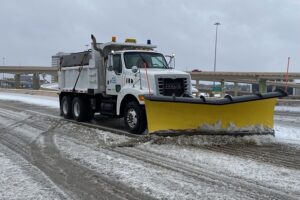
Calgary Transit is also flagging routes with winter traction trouble spots for priority snow clearing under the city’s Priority Snow Plan. It is limiting its 60-foot articulated buses in snowy conditions “because these vehicles typically don’t perform well in that weather.”
Quick answers
Why did Calgary Transit choose all-weather tires instead of winter tires for its buses?
Calgary Transit told Daily Hive that winter tires would improve traction in cold months, but the soft, flexible tires would wear out quickly in year-round use. It said seasonal switching between winter and all-season tires would also drive up labour and tire storage costs. Daily Hive reported the city found winter tires would bring additional costs and maintenance challenges.