Strategies to Beat the Budget Clawback
No public fleet manager wants to receive a phone call that starts with, “We need everyone to reduce their budgets.” However, these appeals are commonplace in an economy characterized by soaring costs and unstable fuel prices.
Such demands force fleet directors to balance cost reduction with service quality. They must identify cost-saving measures and understand the long-term impact of budget cuts, as they safeguard essential expenses.

The key to protecting the budget is preparation, according to Darryl Syler, Division Chief of Fleet, Management for the City of Alexandria, Virginia. Syler oversees a fleet of 852 vehicles and pieces of equipment for a municipal fleet that serves police, fire, refuse, public works, parks, code enforcement and the Department of Community and Human Services.
This veteran fleet manager, with nearly 25 years of experience under his belt, says data-savvy leaders who communicate regularly with finance and council, and have a good grasp of their fleet’s operating expenses, will be the ones who keep their budgets intact when clawbacks roll in.
Build Your Case Early
Budget defense must begin before finance talks cuts, according to Syler.
An effective way to avoid funding surprises is to communicate regularly with finance and budget officials. Syler meets with finance leaders quarterly to review budget performance and discuss cost trends before they become major problems.
“When we see we are falling short in a particular area, we immediately talk to our finance folks and Office of Budget Management,” he says. “We say, ‘Look we see a trend and if it continues we are going to fall short in this area, and we need to look at a different appropriations package.’”
Requests for more funding or to shift around existing funds requires approval from the city manager’s office, the council and the mayor. “I hate doing that,” he says. “But if they understand the economy is bad or fuel costs are rising, they will approve the funding.”
Alexandria has a fully funded vehicle replacement program, which Syler says provides some flexibility.
“If we haven’t spent money in our replacement fund, we can ask if it can be moved to fund another area,” he says.
Be ready for budget cuts, he stresses. His preparation today helps him avert major financial trouble later. “I see the writing on the wall, and get ahead of it,” he says.
He points to an example from his time as a fleet manager in Dublin, Ohio, when they were awarded grant funds to build a compressed natural gas fuel station. When fuel costs soared, Syler moved 30% of the fleet to compressed natural gas.
“Compressed natural gas was $2.50 cents cheaper than diesel fuel, so that grant helped us save money,” he says.
Performance Pays
Funding deficits force elected officials and finance departments to examine every line item in the budget. This scrutiny can lead to questions about replacement schedules or maintenance costs. But the right data can justify the budget.
Syler recommends tracking total cost of ownership (TCO), historical maintenance costs and other key performance indicators to explain operating costs and how capital outlays extend a vehicle’s lifecycle.
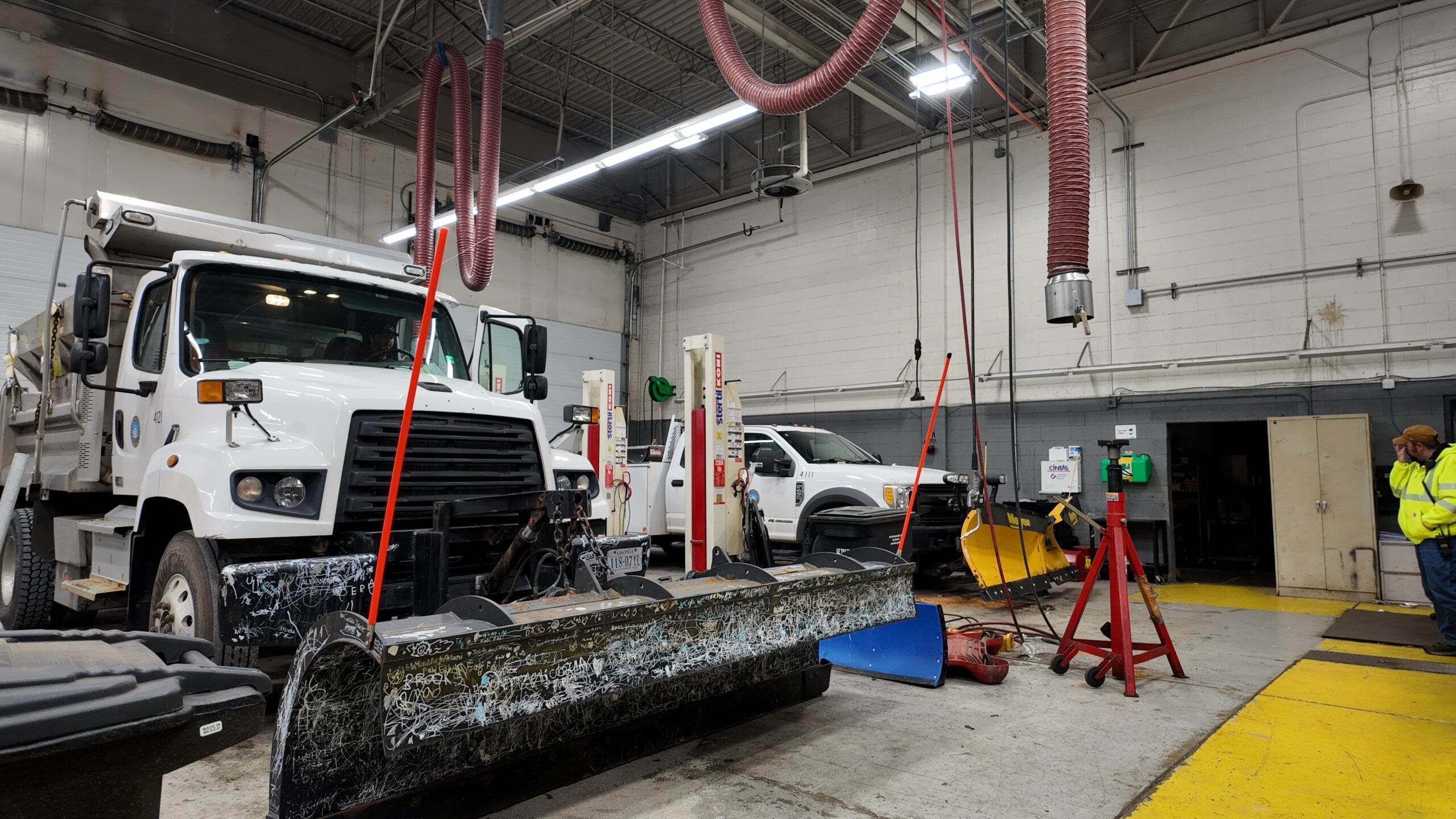
These metrics help Syler show that he operates an efficient fleet and how he reduces unexpected breakdowns with preventive maintenance.
“Sometimes they fully understand the why behind what we need, and sometimes they don’t,” he says. “Sometimes they’ll ask things like: Why do we replace police cars every three years instead of every five? We then show them the utilization of that particular vehicle, and we explain that we want our emergency services folks in safe, reliable vehicles.”
When questions arise, he also shows them the cost of maintenance, TCO, cost per mile in an SUV versus a sedan versus an electric vehicle. “All of these things help us when we are questioned about why we plan to replace a vehicle this year versus waiting for another two years,” he says.
Not only that, but he says sharing this information moves the conversation from “Why are you spending money?” to “What happens if we don’t?”
Connect Costs to Outcomes
When fleet managers only talk about costs, they miss an opportunity to shift the conversation to outcomes, according to Syler.
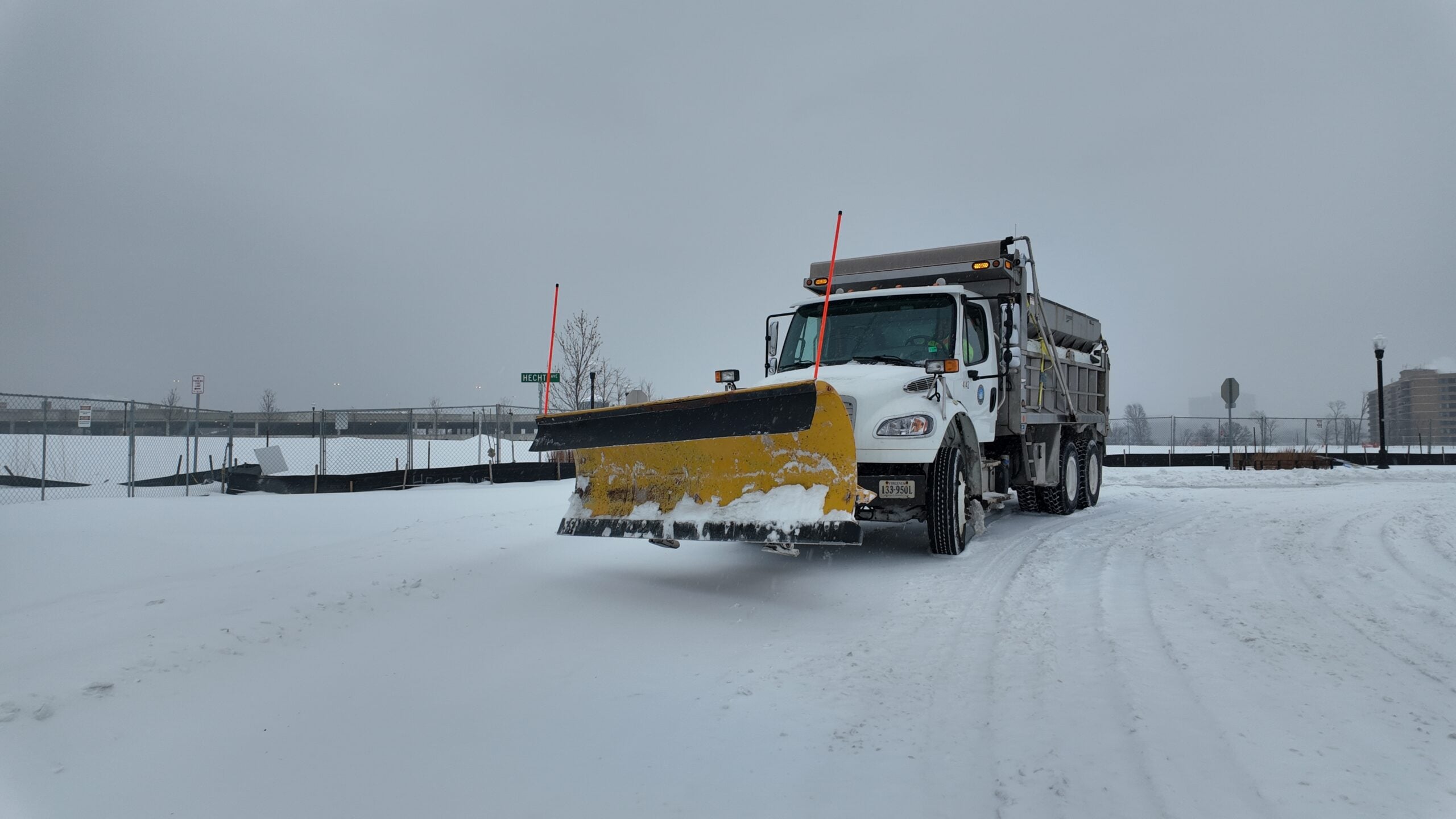
Doing advance research helps present budgets in a way that shows operational consequences when funding is cut. He says it’s vital to show how budget reductions may increase downtime, lower service rates or boost safety risks.
“Fleet managers need to become trusted advisors who can explain the impact of different funding choices,” he says.
Safety also tells a compelling story, he adds.
“It is very important that they understand that we don’t want to put employees in unsafe vehicles,” he says. “We want everything to be maintained well and fully current”
Prioritize Cuts
A 10% budget cut for a municipality requires a thorough review of all expenses. But Syler warns against treating every expense with the same weight.
He prioritizes cutting discretionary spending, with a focus on travel and training costs.
“We try to prioritize the training needs we have and find other ways to meet them,” he says. “If I can get training on a particular asset when I purchase it new, then I get that training at no cost versus sending out technicians for additional training.”
After trimming discretionary expenses, Syler reviews shop supplies.
“I take a hard look at these expenses because we need these supplies to do our job,” he says.
Syler also looks for operational efficiencies that can reduce costs without impacting service.
For instance, Alexandria operates an in-house NAPA IBS Auto Parts store, where NAPA owns the inventory until parts are used. This partnership helps Syler reduce inventory costs, free up budget dollars and ensures parts are available when needed.
Only after he has examined these areas does he consider core operating expenses.
“The last things we look at are repair parts, tires, fuels and oils,” he says. “We never want to cut back on our preventive maintenance because that’s what keeps us on the road.”
Operate Smarter
Syler adds that sometimes the solution to budget cuts is to find smarter ways to operate.
As fleet manager in Little Rock, Arkansas, he set up an in-house body repair operation that reduced his outside repair costs. “We had tons of auto of accidents in Little Rock for whatever reason, so we built our own body repair facility in-house,” he says. “Doing the work ourselves saved us about $60,000 a year.”
Syler says fleet managers should also look for opportunities to generate revenue. For example, Alexandria became a certified Ford warranty and recall repair provider for its mostly Ford light-duty fleet.
“As a certified warranty and recall shop provider, we do the warranty work on all of our Ford vehicles, and Ford pays us, so it’s a revenue generator,” he says. “My service writer submits paperwork after each job to Ford for reimbursement on all recall or warranty repairs.”
However, not everything can be brought in-house. It depends on staffing, equipment and workload.
“If you have the equipment to do certain jobs, such as air-conditioning repairs or front-end alignments, and you have the technicians available, then there is a savings to it,” he says.
Protect Preventative Maintenance
Finance leaders often target cuts to preventative maintenance because on the surface they look like expenses they can postpone. Fleet leadership must help them see this spending as an investment that prevents larger expenses later.
Syler recommends explaining what preventative maintenance protects. Let them know that regular service keeps emergency vehicles available, reduces breakdowns that disrupt public services, extends vehicle life and protects employees.
Next, he says to support your case with data by tracking TCO, repair history, vehicle availability, downtime and cost per mile. “It’s more persuasive to show that routine maintenance leads to lower repair costs and longer vehicle service life than to just say maintenance is important,” he explains.
He also recommends tying these conversations to safety. He points out that Virginia’s annual state safety inspections arm him with an objective way to show why vehicles must be maintained.
“We have very stringent laws in Virginia where all our vehicles must pass a state safety inspection and emissions test annually,” he says. “This process gives us a hard look at our city vehicles and makes it possible for us to show them the safety aspect of preventative maintenance.”
Put Technology to Work
Alexandria recently upgraded to a cloud-based fleet management system and is modernizing its fuel sites with cloud-based fuel management software. Together, Syler says these systems provide better visibility into maintenance, utilization and fuel costs, which makes it easier for him to identify trends and support budget requests with objective data.
By centralizing reporting and integrating tools such as telematics, utilization analysis and fuel monitoring, he says he can spot trends early, support replacement decisions with hard numbers and show responsible fiscal management.
The Final Word
No one wants the dreaded call about mid-year budget clawbacks. But Syler stresses that it is possible to protect the fleet budget with accurate performance data, regular communication with finance officials, an investment in preventive maintenance and new ways to produce operational efficiencies.
And he emphasizes that the best time to prepare is before the phone rings.