What Decades in Fleet Can Teach the Next Generation

For industry veterans Sam Lamerato and Larry Campbell, who spent decades leading nationally recognized municipal fleets, some things have changed dramatically. When they entered public fleet, technicians routinely changed spark plugs every 12,000 to 18,000 miles. Oil changes every 2,500 or 3,000 miles were simply part of the job. Today, onboard diagnostics, synthetic lubricants and far more reliable vehicles have transformed maintenance.
They also went from sorting through manual spreadsheets and cabinets full of vehicle jackets to utilizing fleet management software and diagnostic tools while witnessing the dawn of GPS and the electrification of vehicles.
But it’s not shifts in technology or other innovations the longtime fleet leaders focus on when teaching the next generation through Public Fleet Advisors. Looking back on careers that span nearly a century combined, they return to the constants that continue to make fleet great: keep learning, invest in people, build relationships and never stop asking questions.
Be a Lifelong Learner
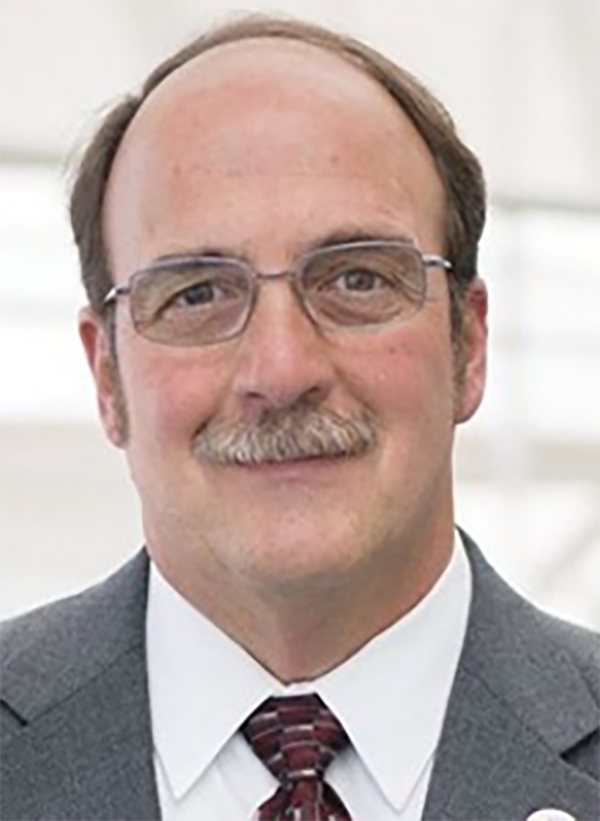
Both veterans agree that investing in seminars, certifications and other learning opportunities should be a top priority for fleet managers. For Lamerato, some of the most valuable lessons came from conversations with other fleet managers before making a major decision. “I’ve had many times where they would say, ‘Well, you know what, I did the exact same thing, and then found out we should have gone with option B instead of option A,’” he recalls. “Before you jump in and make a decision, network a little bit more.”
It’s advice he still gives today. “We ask people in the audience to please ask questions,” Lamerato says. “Don’t feel intimidated by Larry and I having 30 and 40 years of experience because we were all sitting in your seat at one time.”
Conferences and seminars became opportunities not only to hear presentations but to compare ideas with peers, see new equipment firsthand and discover solutions another fleet had already tested. One trade show introduced both men to fleet and fuel management software they hadn’t even known existed.
These experiences reinforced something they’ve carried throughout their careers: no fleet manager should try to solve every problem alone.
Invest in People Before Equipment
When the conversation turns to technician shortages, both veterans emphasize: “People stay where they feel valued.” If Lamerato were taking over a struggling fleet today, he wouldn’t begin by studying equipment or facilities.
“I would interview one-on-one with each one of my employees,” he says.
He’d ask what challenges they face and what they would change if given the opportunity. Those conversations, he believes, often reveal more than a stack of performance reports. His goal would be creating a workplace people want to be part of. He shares, “I’ve had technicians say, ‘I really look forward to coming to work because it’s like an extended family and you treat us nice, you treat us well.’”
His philosophy is the same when it comes to training. Rather than sending one technician to a class, Lamerato often sent several employees and asked them to bring what they learned back to the rest of the shop.
Campbell has long summed up his own approach in one sentence: “I’d rather train you and have you leave than not train you and have you stay.” For both men, developing employees has never been viewed as a risk but as one of the best investments a fleet can make.
Your Shop Tells a Story
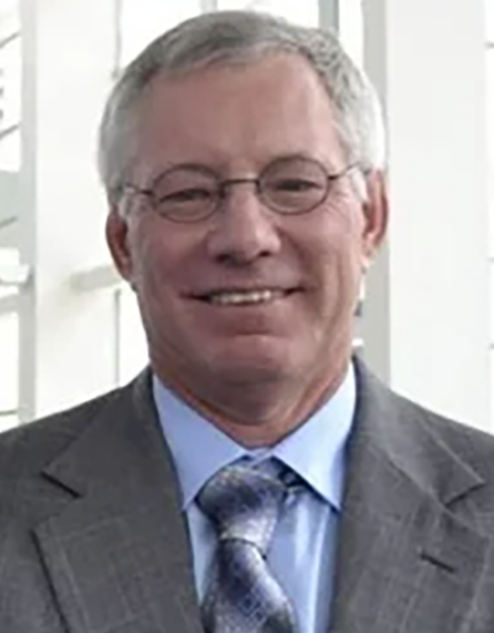
Years of consulting have taught Lamerato that he can usually learn a great deal about a fleet before anyone opens a report. One of the first places he looks is the parts room. “The parts room is like the heartbeat of the fleet operation,” he explains. Blocked aisles, dusty inventory and disorganized shelves often point to larger operational issues.
Just as important, fleet managers should understand the numbers behind the operation, from labor rates to turnaround time. “You’re the fleet manager,” Lamerato tells seminar audiences. “You’re supposed to be the subject matter expert here.” But that doesn’t mean having every answer immediately.
“If you’re asked a question at a city council meeting and you do not have the answer, the best answer is, ‘I will have to get back with you on that.’” Campbell agrees and says to make sure to get back to them and in a reasonable time. Making a promise is the easy part, but following through is what builds credibility.
Bring City Hall Into the Shop
Lamerato wishes he had learned one lesson sooner: “I wish I would have made more time to get over to city hall and meet the upper management people a little earlier,” he says. For him, building relationships outside the shop changed the way city leaders viewed fleet. Rather than simply seeing a structure where vehicles disappeared for repairs, they began seeing the people and expertise behind the operation.
“They knew we had a building over there, but they never knew what went on in that building,” he says. So Lamerato opened the shop to city employees and elected officials, asking technicians to explain their work instead of leading every stop himself.
He later expanded the idea through a Citizens Academy, giving residents an inside look at how fleet supports city services. “We’re not a very boring department,” he recalled telling the city manager. “We do exciting work here. We don’t push a lot of papers; we push a lot of buttons.”
Campbell reached the same conclusion through a different path. Reviewing plans for a new fleet building gave him an opportunity to point out design problems before construction began, demonstrating the value of fleet expertise to county commissioners.
Over time, those relationships became personal, something both men agree fleet managers should aspire to. “Do they know your name when you see them in the grocery store or see them on the bicycle trail?” Campbell asks. For him, the answer to that question says as much about leadership as any performance measure.
Benchmark Against Yourself
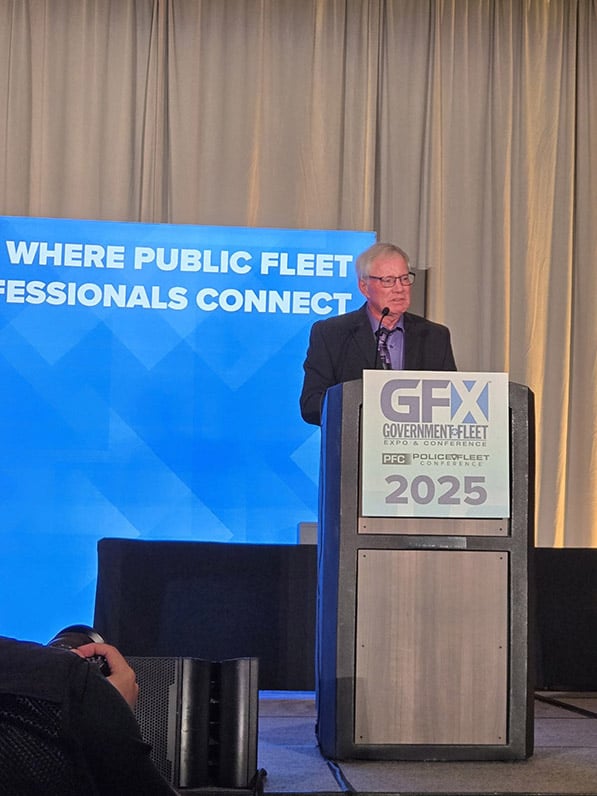
One of the first instincts new fleet managers often have is to fix everything at once. Campbell understands the temptation. He remembers taking over a city fleet and wondering if he had made a mistake because the responsibility felt overwhelming.
Instead of charging ahead, he slowed down. The first week, he stayed in his office and took notes. The next week, he began walking the operation, meeting employees and learning how the shop functioned before deciding what needed to change.
“Don’t try to do everything at once,” he advises. “Take baby steps in doing it.” That measured approach also shaped how he viewed performance. Rather than chasing another fleet’s numbers, Campbell encourages managers to understand their own operation first.
“Benchmark against yourself,” he said. “Don’t hide your numbers. Look at the true numbers and share it with your staff and say, ‘This is where we’re at.’” And when the team reached a goal, he made sure they knew it mattered. Sometimes the celebration was as simple as homemade ice cream. The point wasn’t the reward but the recognition of progress and giving employees ownership in it.
Lamerato applies that same mindset to fleet operations. He says to challenge assumptions, evaluate utilization honestly and be willing to change course when the data points in a different direction. Long-standing practices deserve respect, he explains, but they should never become untouchable simply because they’ve always been done that way.
Curiosity Is a Competitive Advantage
Retirement hasn’t changed one habit, that being the way both men still notice fleet. Lamerato describes a family vacation through Europe by sharing, “My wife, my daughter and my son were looking at the fountains and things. But I’m over there talking to someone about their street sweeper.”
Campbell smiles at the familiar story. “I still like to play with cars and trucks,” he admits. “It stays in your blood.” Whether he’s watching a paving crew at work or seeing a vacuum truck clean a sewer line, he still finds himself studying the equipment and wondering how it operates.
That curiosity shaped both careers. Rather than assuming their own organizations had all the answers, they visited other fleets, attended association meetings and paid attention to ideas wherever they found them.
“You learn a lot from cities larger than yours,” Lamerato says. “And you learn some things from cities that are smaller than yours who are working with a much smaller budget.”
Never Stop Teaching
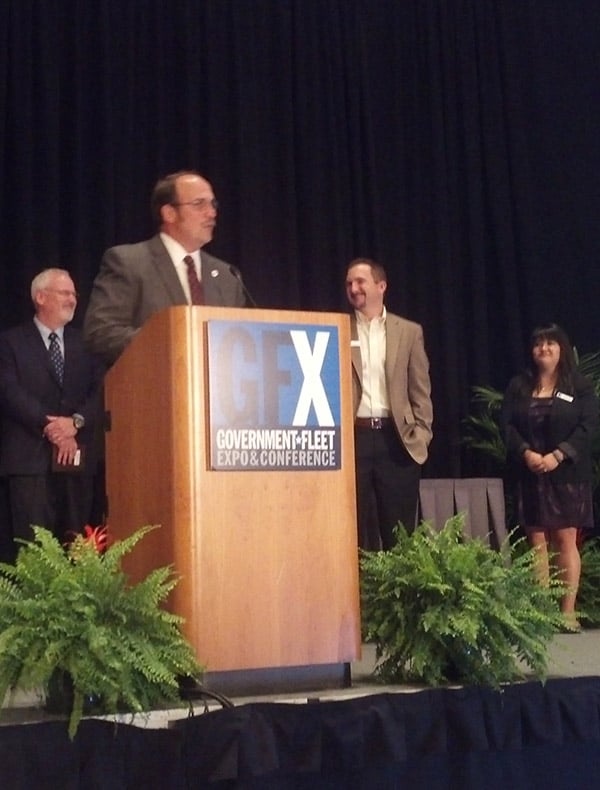
One reason Lamerato and Campbell continue speaking and consulting is that they know many new fleet managers are stepping into jobs they never expected to hold. Lamerato recalled one seminar attendee who had recently been promoted from deputy city clerk to fleet manager. Asked about previous fleet experience, the attendee answered that he owned two cars, a snowmobile and a jet ski.
Those are the people Lamerato notices sitting near the front of the room, taking notes and photographing presentation slides. He understands exactly how they feel because he once occupied the same seat. When he became a fleet manager, Lamerato built an informal network with neighboring cities so he would always have someone to call when a new challenge surfaced. Decades later, that group is still meeting.
His advice to new managers hasn’t changed: “Don’t go in there and change the world in one week,” he said. “You’re in observation mode right now.” Learn how work flows through the shop. Spend time with technicians. Ask questions. “There are no dumb questions,” Lamerato insists. “We’ve asked all the dumb questions years ago.”
Campbell points managers toward professional associations for the same reason. No matter how experienced someone becomes, there is always another fleet facing similar challenges and another opportunity to learn from someone else’s experience.
Invest in the Next Generation
Although both men have retired from leading fleets, neither has really left the profession behind. They keep busy with Public Fleet Advisors, teaching seminars around the country. When asked why, their answer is immediate: “Giving back.” It’s a simple phrase, but it captures the thread running through nearly every story they share.
Their careers began in an era of handwritten work orders, frequent tune-ups and far fewer resources for fleet professionals. Along the way, they embraced new technology, new management practices and new ways of thinking. What never changed was the value of learning from others and sharing that knowledge in return.
The most enduring lesson they offer the next generation is that successful fleets are built with technical skill, but lasting careers are built by people willing to keep learning and to help someone else succeed.
Decades from now, today’s fleet managers will be the veterans sitting at the front of the room, answering questions from someone just beginning the journey. If Lamerato and Campbell hope to leave one lasting legacy, it isn’t a maintenance program or a piece of equipment. It’s a profession where every generation leaves the next one a little better prepared than the last.