How Buckeye Rebuilt Its Fleet for a City That Outgrew the Old Playbook
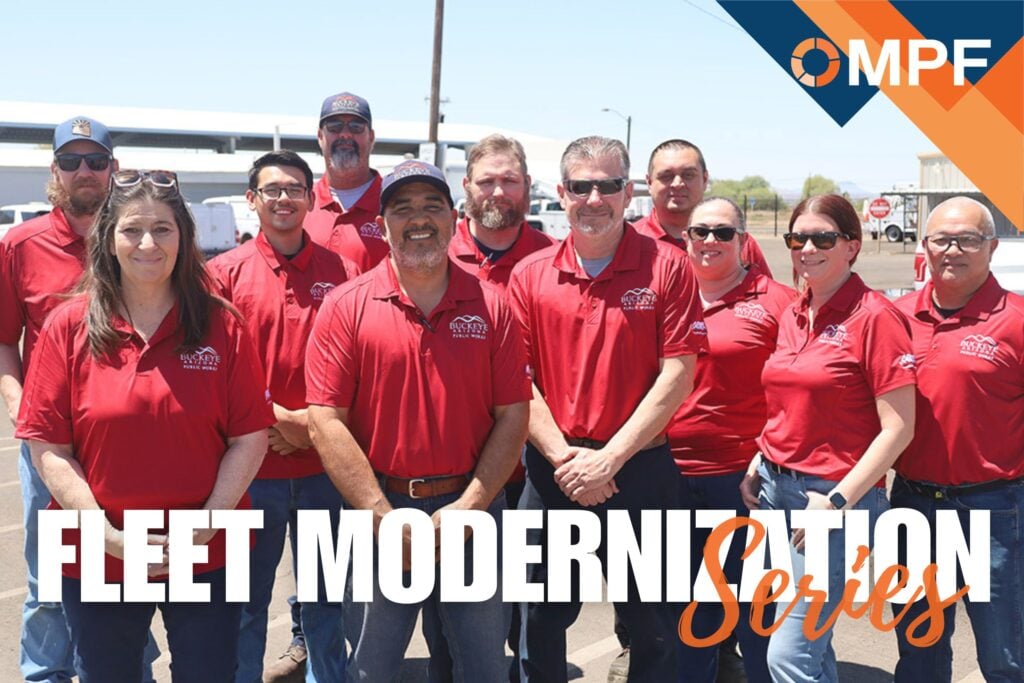
When Beth Casillas arrived at the City of Buckeye, Arizona, in 2020, she didn’t inherit a fleet operation that had been built badly. She inherited one that had been built for a much smaller city. That context is important.
In 2000, Buckeye had about 6,500 residents. By 2025, Casillas said, the population had grown to roughly 125,000. Fleet was expanding right along with it. The 425 assets she took responsibility for in 2020 have grown to nearly 900, covering everything from grounds equipment and sedans to heavy-duty trucks and fire apparatus.
The operation supporting all that growth, however, was still doing a remarkable amount of business on paper. There were paper work orders, paper parts invoices, and files to hold all that paper.
Technicians also carried an impressive amount of maintenance history around in their heads. Someone might remember that a unit had received a new battery a month earlier, for example, even if the fleet system couldn’t readily tell Casillas the same thing.
That works until it doesn’t. And with a fleet on its way to doubling in size, the expiration date was approaching quickly. “It couldn’t stay that manual process,” Casillas said. “Literally paper would have eaten us alive.”
So Buckeye began rebuilding. Not just the software, but the processes underneath it.
A New FMIS Wasn’t Going to Fix an Old Process
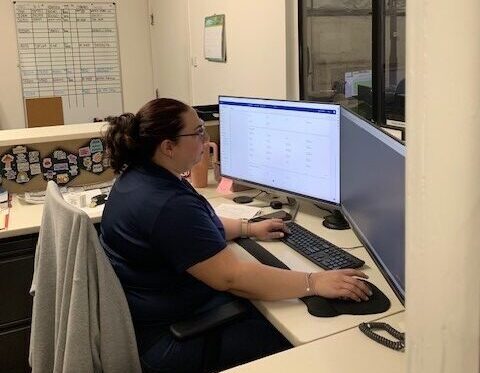
Replacing the fleet information management system became one of the biggest pieces of the overhaul, but Casillas didn’t begin with vendor demos and shiny features. She and the team started by figuring out what they actually needed the system to do.
Reporting was near the top of the list. Buckeye had been maintaining 32 spreadsheets and manually updating information each week. For Casillas, whose background is heavily rooted in data analytics, that raised a fairly obvious question: Why were people doing work the system should be doing for them?
Buckeye ultimately selected AssetWorks FleetFocus. But choosing the FMIS may have been the easier decision compared with what came next. The team decided not to migrate its legacy data.
Casillas said the existing information wasn’t reliable enough, and converting questionable data into a new system would have risked recreating the same problems in a prettier interface. Instead, Fleet rebuilt its PM programs, job tasks, equipment class codes and vehicle life cycles.
“If you don’t change the processes, your new system will look just like your old system,” Casillas said. That required getting into the weeds.
Employees gathered in the break room to review existing job codes and decide what still belonged. Some codes covered distributor caps and carburetors, while newer electronic components weren’t adequately represented. The preparation process took about a year.
Michael Brennan, who works with public fleets through consulting and the 100 Best Fleets program, said Buckeye essentially did what many fleet managers are reluctant to do: admit the old data wasn’t worth carrying forward.
“That’s what she did,” Brennan said. “She had all this information over here but realized maybe 40% of it was somewhere near accurate.” His point was simple. If the underlying data is questionable, moving it into a new platform doesn’t suddenly make it trustworthy.
When Better Measurement Makes the Numbers Look Worse
Here’s the part of modernization that doesn’t always make the brochure. Buckeye’s numbers got worse.
PM compliance had been running around 95% under the former system. After the team rebuilt its PM cycles and began measuring against the new standards, compliance dropped as low as 35%. That’s the kind of dashboard number capable of ruining a fleet manager’s morning.
But the decline wasn’t simply evidence of poorer performance. As Buckeye reevaluated PM intervals to better reflect its newer vehicles and actual duty cycles, the team discovered that the old program had been producing a more favorable picture than the updated standards did.
Casillas knew the transition would hurt. Employees and customers needed to understand why the familiar numbers had changed, and why going backward temporarily could be part of moving the operation in the right direction. By the time Buckeye submitted its 100 Best Fleets application, PM compliance had recovered into the mid-60% range. It has since climbed into the 80s.
Brennan considers that metric especially important. A fleet can build an excellent PM schedule, he noted, but it accomplishes little if user departments don’t bring equipment in on time. Missed PMs eventually turn planned shop work into breakdowns and unscheduled repairs.
“Beth’s got a good handle on that,” Brennan said. “She’s staying focused on it. So that’s going to bring a lot of long-term efficiency to the organization.”
Buckeye also has something it didn’t have before: the ability to ask why.
When a KPI starts moving in the wrong direction, staff can drill into the data instead of discovering the problem after the fact. Casillas said technicians are increasingly recognizing patterns themselves, bringing observations forward and helping determine what the numbers are saying.
The Overhaul Went Beyond Software
A better FMIS didn’t eliminate another challenge created by Buckeye’s growth: the operation needed more clearly defined people and roles.
Fleet added a dedicated service writer after years when various employees handled that function. The city also developed entry-level mechanic positions and technician progression opportunities, along with dedicated emergency vehicle technician classifications.
Then there’s the high school internship program, one of Casillas’ favorite projects. Buckeye began with one student working limited afternoon hours. The program has grown to three interns, and this July, the city hired its first former intern into a full-time position.
Students get real shop exposure, while even those who aren’t selected receive experience interviewing for an actual job. For a public fleet trying to build a technician pipeline instead of simply complaining about the technician shortage, that’s a meaningful distinction.
The team is also reconsidering the old assumption that every asset needs to come to Fleet. Parks employees had been spending time transporting mowers and other non-road equipment to the shop. Buckeye responded with a pilot that places a fleet technician at the Parks facility two days each week.
The technician handles PM and repair work where the equipment already lives, while also helping operators understand practices that can improve uptime. Casillas wants to see whether the program produces measurable savings and better availability. If the data supports it, the approach could expand.
Pilot First, Commit Later
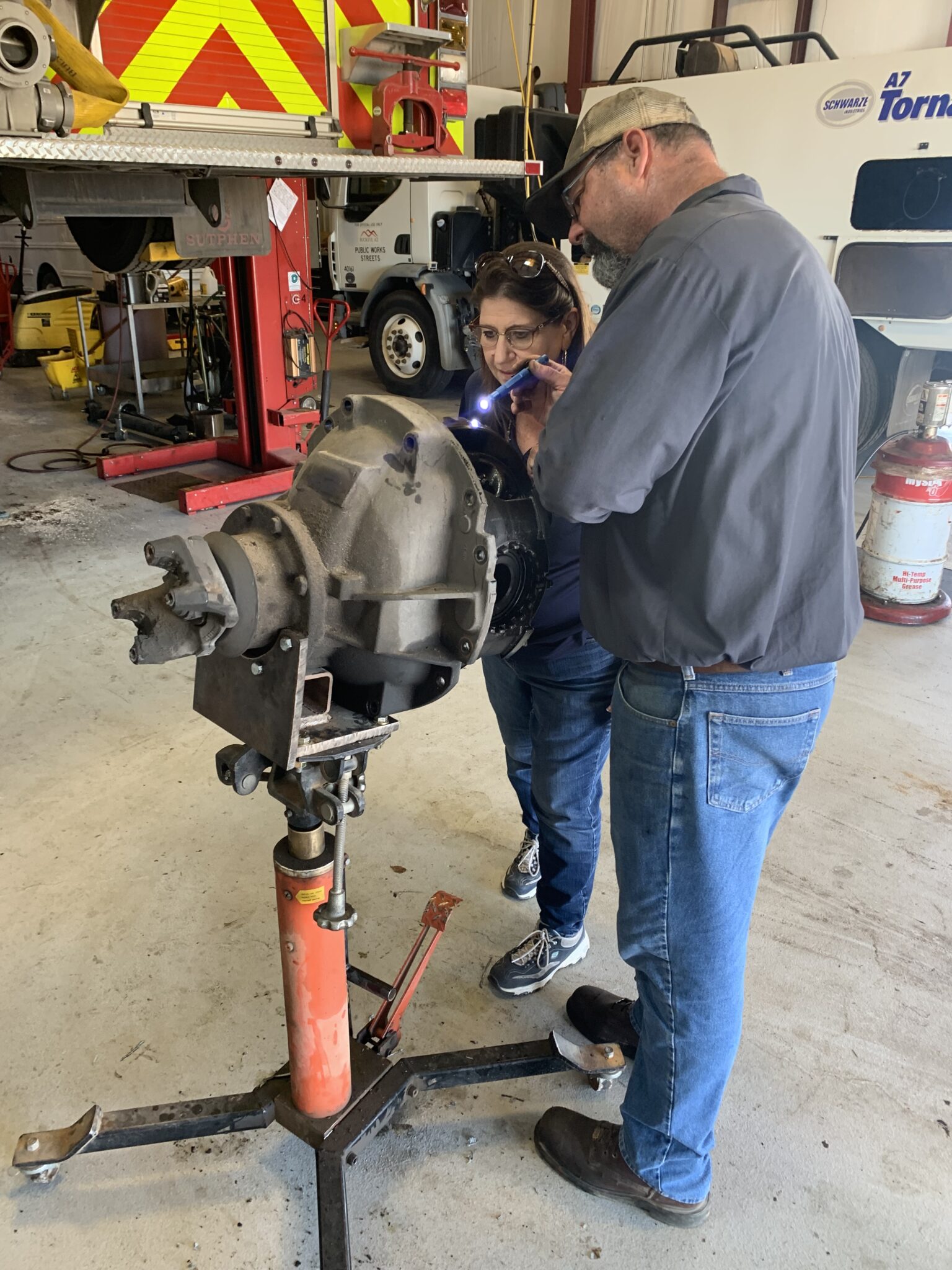
Fleet Manager Beth Casillas and Fleet Mechanic Garrett Griffin inspect a firetruck differential.
Buckeye’s geography makes planning ahead especially important. Casillas said the city covers about 665 square miles and remains only 17% to 18% built out. Fleet therefore has to think beyond today’s shop, including whether future growth could require additional service locations.
The same cautious planning applies to new vehicle technology. Rather than making a sweeping commitment and figuring out the operational details later, Buckeye has leaned on pilots. With EVs, the fleet bought one vehicle, rotated it among employees, and asked them to report what worked and what didn’t.
That approach is intentionally modest. Buckeye has significant territory to cover, and charging infrastructure remains a constraint. Casillas would rather learn from a small deployment before making a much larger bet. It’s a philosophy that fits the broader modernization effort: define the problem, test the solution, and make the next decision with better information.
There’s already been some outside validation. Casillas admitted she wondered whether Buckeye should even submit for the 100 Best Fleets program while its post-implementation metrics were still recovering. The city submitted anyway.
Buckeye not only ranked but moved up 14 spots.
For other fleets considering their own overhaul, that may be the most useful part of Buckeye’s story. Modernization doesn’t necessarily arrive as a clean before-and-after picture. Sometimes the new system exposes problems the old one hid. Sometimes a respected KPI falls before it improves. And sometimes the most important decision is admitting that the old data isn’t good enough to save.
Buckeye didn’t modernize by protecting the numbers it already had. It built an operation capable of producing numbers it could finally trust.