Three Ballot Trends That Reach Public Fleets: Property Tax Relief, Road-Funding Tests and Bonds for Trucks
Property tax relief, new tests of how roads get paid for and local bonds for apparatus, buses and fleet shops keep showing up on ballots
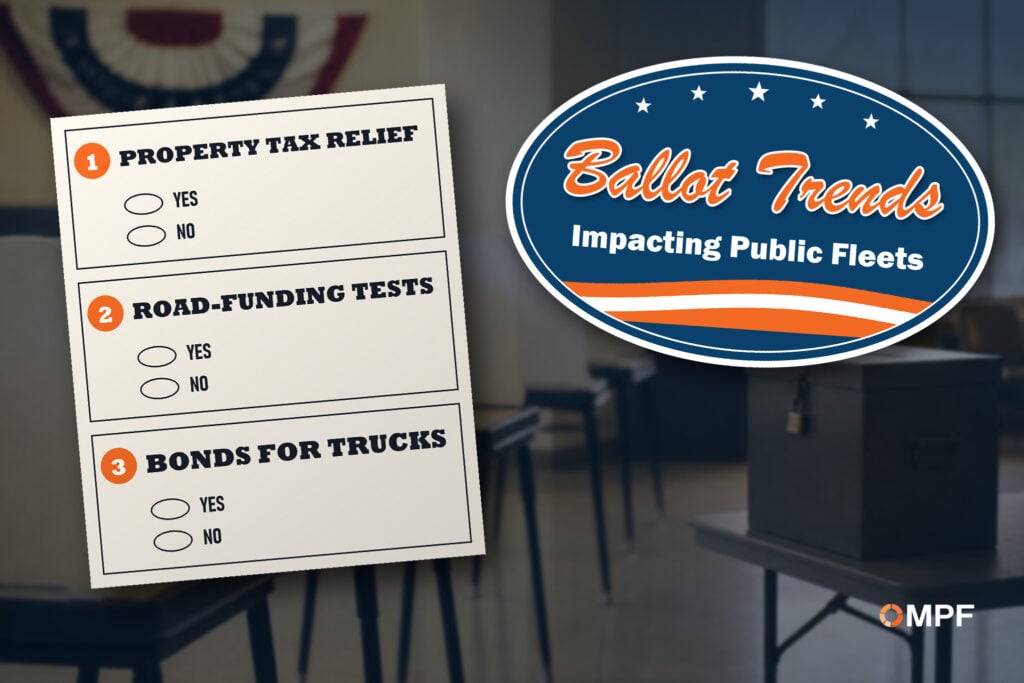
If your fleet buys vehicles out of a general fund or a fire levy, keep an eye on the ballot. Whether it’s this election or the next one, three trends keep showing up in measures that reach public fleet budgets: property tax relief, new tests of how roads get paid for and local bonds that buy fire apparatus, school buses and the shops that maintain them.
Some of these measures would take effect as soon as 2027. Others are early tests of ideas that could spread. Either way, they could reach your operation sooner or down the road, and it pays to know what they look like now so you can plan for them. The 22 transit funding measures on Nov. 3 ballots are covered in a separate story.
Property Tax Relief
Thirteen statewide property tax measures reached ballots in seven states this year, according to Ballotpedia, and voters decided 58 more between 2020 and 2025, approving 45. That matters because property tax sits under most of what a public fleet does. Fire districts levy it directly. Cities and counties fund public works, police and fire from general funds it feeds, and in many agencies vehicle replacement is a general fund transfer that moves with the rest of the budget. School districts buy buses from the same levies.
Florida. Amendment 3 is the biggest of the group. It would add a homestead exemption of $150,000 in 2027 and $250,000 in 2028 on all levies except school districts, cut the cap on non-homestead assessment increases from 10% to 5% and limit county and city property tax revenue to seven categories, including public safety and infrastructure, according to Orange County’s explainer. The Legislature’s economists put the statewide hit at roughly $12 billion a year once fully phased in, per the Florida Policy Institute. Orange County alone expects to lose about $165 million in 2027 and $275 million in 2028, including $46 million and then $72 million from its fire tax. The Florida Fire Chiefs Association opposed the amendment because it names no replacement revenue for local services, The Capitolist reported. It needs 60% of the vote.
North Carolina. The amendment on the ballot would require the General Assembly to pass laws “limiting the amount by which the levy of taxes on property may increase,” according to the amendment text. It sets no number. The limit itself, and any exceptions, would come later from the Legislature.
Oklahoma. State Question 847 would lower the annual cap on increases in a property’s fair cash value from 5% to 4% starting in tax year 2027, and from 3% to 1.75% for homesteads and farmland, according to the enrolled text. The caps reset when a property sells or is improved.
Wyoming. Initiative 1 would exempt half the assessed value of a qualified homeowner’s primary residence. The state estimates it would lose about $93 million in fiscal 2028 and $96 million in fiscal 2029. Read the fine print, though. The state’s estimate “does not include an estimate of any impact upon political subdivisions,” and the counties, towns and special districts that run fleets are those political subdivisions.
Road-Funding Tests
Fuel tax revenue is thinning as fuel-efficient and electric vehicles pay less of it, and two ballots test what comes next.
Arizona. Proposition 141 would amend the state constitution to bar the state and local governments from charging anyone a tax or fee based on miles driven, and from monitoring a person’s mileage without consent, according to the enrolled resolution. Two exceptions matter to fleets. Interstate agreements for commercial vehicle fuel tax and registration reporting are exempt, so apportioned registration stays as it is. So are vehicles owned and operated by the state or a local government, which means a city or county fleet could keep tracking its own mileage. Arizona’s gas tax is 18 cents a gallon, and the Legislature hasn’t raised it in decades, the Arizona Mirror noted in its Aug. 19 ballot guide.
Nevada. Washoe County voters will see a nonbinding question asking whether they support an annual road use fee on electric and hybrid passenger vehicles, adjusted for inflation, according to RTC Washoe. The Regional Transportation Commission estimates $15.6 million in local fuel taxes that EVs and hybrids don’t pay and projects a road maintenance shortfall of about $1.4 billion over 10 years. Only the Nevada Legislature can create the fee, and not before its 2027 session. The question sets no amount and doesn’t say whether government fleets would pay.
Bonds for Trucks
When the general fund can’t cover apparatus, buses and shops, agencies take the request straight to voters. This year’s ballots include these.
Arizona. Scottsdale Unified School District’s $375 million bond sets aside 5% for transportation, including replacing aging buses and support vehicles.
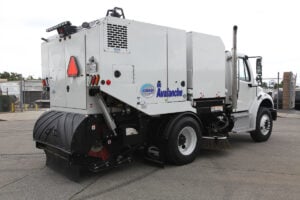
Colorado. Centennial is asking for a 1% sales and use tax increase, to 3.5%, that the city projects at about $27 million a year for transportation, including snow removal and street sweeping. Its Street Fund gets about $15 million a year against a need of at least $35 million.
Iowa. Cedar Rapids is asking for up to $60 million for its fire department, including new fire trucks to replace aging vehicles along with station work and a training campus, according to the city.
Missouri. Central County Fire & Rescue in St. Peters has up to $25 million on the ballot, including “fire-fighting apparatus and support vehicles,” according to its bond resolution.
Texas. North Richland Hills’ Proposition C would put $24.7 million into the city’s 1980s-era services complex “for public works, parks, and fleet maintenance,” according to the city. Karnes City Independent School District’s bond of up to $123 million includes new school buses, per its election notice. And Georgetown is renewing a quarter-cent street maintenance sales tax that has raised about $77 million since 2003, according to the city.
Washington. South County Fire’s $420 million bond in Snohomish County covers station replacements and upgrades to support facilities, including a vehicle maintenance facility, according to the district.
How to Plan for These Trends
Know your share. Orange County’s page is a good model because it spells out what its fire tax and sheriff’s tax would lose each year. You should be able to say how much of your operating and replacement money comes from property tax, and from which levy.
Mark the calendar. Florida’s exemption steps up in 2027 and again in 2028, Oklahoma’s caps change in tax year 2027 and Wyoming’s first affected tax year would be 2027. Those are the next two budget cycles, the same years many orders placed in 2025 and 2026 arrive and have to be paid for.
Document the backlog now. A replacement schedule with ages, miles, condition scores and the cost of deferral is the document that survives a budget negotiation. Dakota County’s replacement scoring is one example Modern Public Fleet has written about.
Know your other funding tools. Sales taxes and bonds like those in Georgetown, Centennial and North Richland Hills show how fleets get funded when the general fund tightens.
Watch the follow-up legislation. North Carolina’s Legislature would set its limit later. Nevada’s would decide on Washoe County’s fee no earlier than 2027. Florida has already passed a companion bill, SB 4-F, on roll-back rates and millage voting thresholds. In every case, the vote starts the process. It doesn’t finish it.