When the Storm Hits
Fleet's role in disaster response
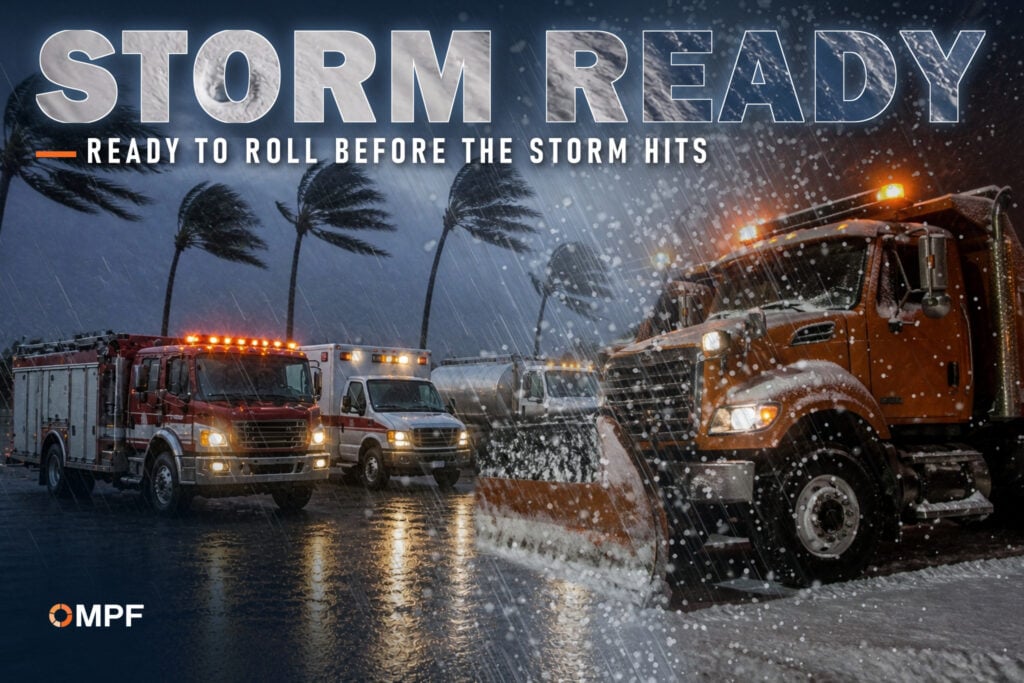
When Hurricane Helene took aim at Greenville, South Carolina, the city’s fleet operation stood ready. Its vehicles were fueled and in position. Its equipment had been inspected. And its emergency plans were in place.
What their planning hadn’t anticipated was the disruption this storm would cause. In one fell swoop, it shut down the technology the fleet operation relied on every day.
“We lost power. We lost Internet access,” recalls Scott McIver, fleet manager for the City of Greenville.
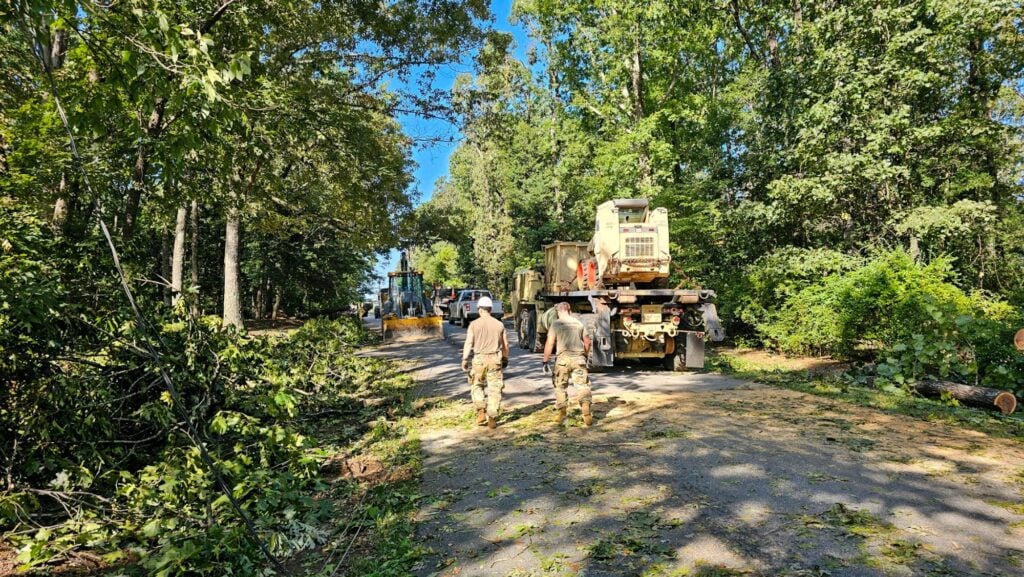
The city’s web-based fleet management information system (FMIS) went down with the Internet. Suddenly, the operation overseeing over 1,200 pieces of equipment had to switch to pen and paper.
This scenario might have shut down other fleets. But not Greenville.
McIver shares that the fleet had prepared for the possibility before the storm made waves. Paper forms were already on standby for technicians to access parts, record inspection details, and log repairs for the FMIS once it went back online. What’s more, the team knew how to use them.
“We had gone over the forms in meetings and said, ‘Hey, look, these are the forms we’re going to use. If something ever happens, this is what we’re going to do and how we’re going to do it,’” he says.
Greenville’s experience illustrates that a disaster rarely comes when expected or unfolds exactly as planned.
A hurricane can shift its course. A rainstorm can escalate into a flood. An ice storm might cause power outages, and a tornado could disrupt fuel deliveries. Communications can fail and equipment can break when it’s needed the most.
In these moments, fleet becomes the logistics backbone that keeps public works in operation.
“Without us, you walk,” McIver says. “We’re the unseen backbone that keeps operations moving.”
William Klous, assistant commissioner of Support Services for the New York City Department of Sanitation’s Bureau of Motor Equipment and vice chair of the American Public Works Association’s National Fleet Committee, echoes this sentiment.
“The fleet department has to be able to supply the operations departments with the vehicles and equipment they need without delay,” he says.
Prepare Before the Forecast

The time for emergency preparedness is not when a weather alert flashes across the TV screen. By then, Klous says a fleet should be ready to roll.
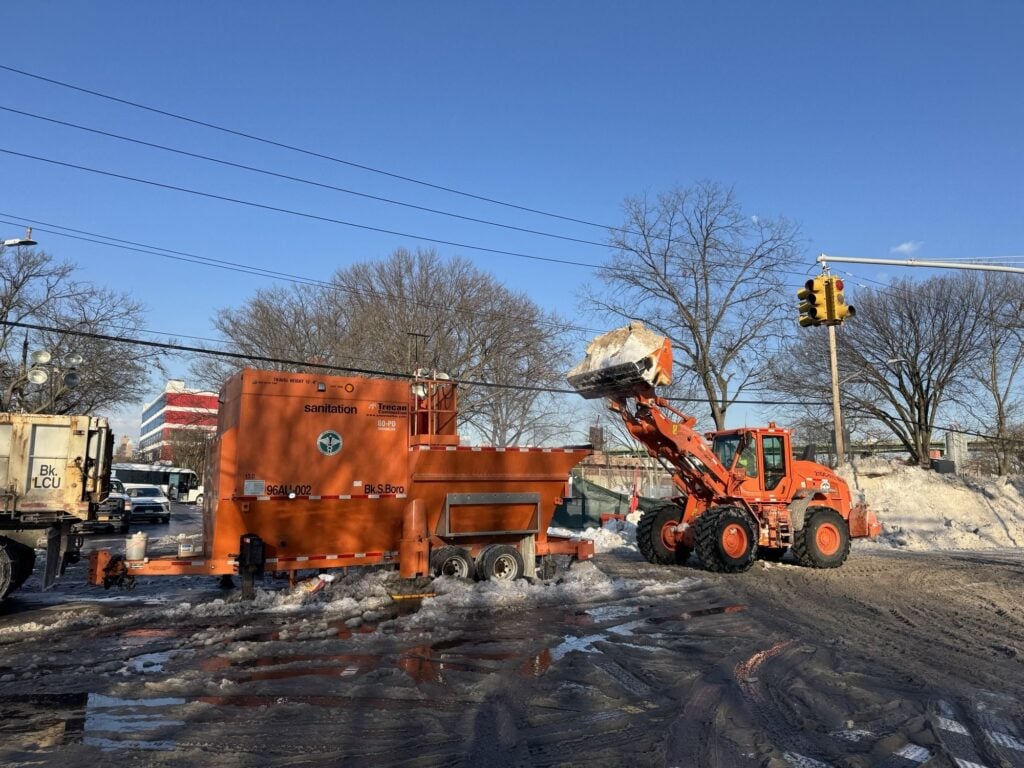
At the Bureau of Motor Equipment, fleet availability is part of every day. DSNY operates a fleet of over 6,000 assets, ranging from passenger vehicles and garbage collection trucks to front-end loaders, salt spreaders and plow-equipped dump trucks. Nearly 600 employees support this operation across 59 districts and five borough shops.
Klous maintains consistency is key to keeping a fleet emergency ready. All preventive maintenance must be current and downtime under control because an ordinary weather event can escalate quickly.
“If you keep your fleet up and ready to go, then you’re halfway there,” he says.
Winter can challenge NYC operations. Here, Klous says DSNY’s highest-level snow response requires a plowable fleet of 2,393 vehicles. He adds that prepping that equipment begins months before the first flakes fall.
From May through November, DSNY brings salt spreaders, sander-equipped dump trucks and other snow equipment into borough shops for “upgrades.” Technicians work through the equipment from end to end, repairing worn or damaged components and addressing the effects of the previous winter. Its collection trucks, which also plow snow, remain on a 40-day preventive maintenance cycle.
In Greenville, drivers perform pre- and post-trip inspections, even on small equipment, and report defects to Fleet so techs can prioritize repairs. Those inspections supplement the city’s preventive maintenance program and give technicians another set of eyes on equipment they cannot personally inspect every day.
When an event approaches, McIver says fleets need to know what is available, what is down and how quickly disabled equipment can be returned to service. Greenville’s snow and ice plan lays out these steps, but McIver says they can adapt this framework to other emergencies.
In any emergency, he says, “You’re going to need vehicles fueled up, inspected, and ready to go.”
Plan for the Unexpected
Greenville regularly plans for ice storms, but hurricanes rarely travel that far inland. According to McIver, Hurricane Helene served as a wake-up call to plan for those “what if” emergencies.
“Think about the unexpected,” he says. “Nobody was ready for a hurricane. Nobody even thought about that.”
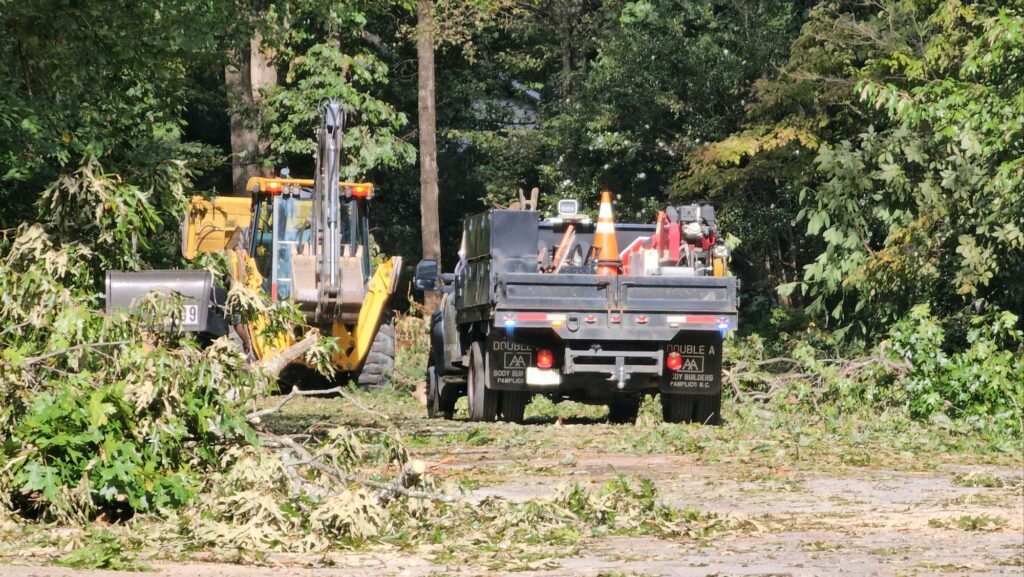
McIver recommends looking beyond the jurisdiction and learning from fleet operations that routinely encounter the hazards a local fleet rarely sees. After Hurricane Helene, Greenville met with fleet professionals in Charleston, North Carolina, and Florida about hurricane preparation to identify practices it could adopt locally.
Klous also cautions against becoming too focused on a single scenario. In Stamford, Connecticut, where he previously served as fleet director, there could be heavy rain in one section of the city and heavy snow in another, and the fleet had to be prepared for both.
Fleet managers, he says, need to “look at the big picture” and stay ahead of changing conditions.
Keep Fuel Flowing
Fleet vehicles cannot support disaster response or recovery without fuel, making fuel planning a critical part of emergency preparedness.
Klous saw the consequences of a disrupted fuel supply firsthand during Hurricane Sandy while working for the Metropolitan Transportation Authority. With local fuel supplies compromised, fuel trucks had to travel as far as New Hampshire to reach an uncontaminated port.
The experience exposed a vulnerability that the railroad addressed before the next storm. It added fuel-storage capacity that could remain empty during normal operations, but be filled when flooding, power outages or blizzard conditions were forecast. Topping off those additional tanks about two days before a storm gives the operation nearly a week’s supply of fuel.
Greenville’s policy is to top off vehicles every night rather than allow equipment to sit with partially empty tanks. The city also keeps its primary fuel tanks full and keeps fuel cards that provide access to outside fueling locations.
That routine became a lifeline during Hurricane Helene.
“We actually had enough fuel. We made it through the event until FEMA and the state arrived with fuel tankers to help,” he says. “We even supplied fuel to some of the other local municipalities who were caught flat-footed.”
Know Who Does What
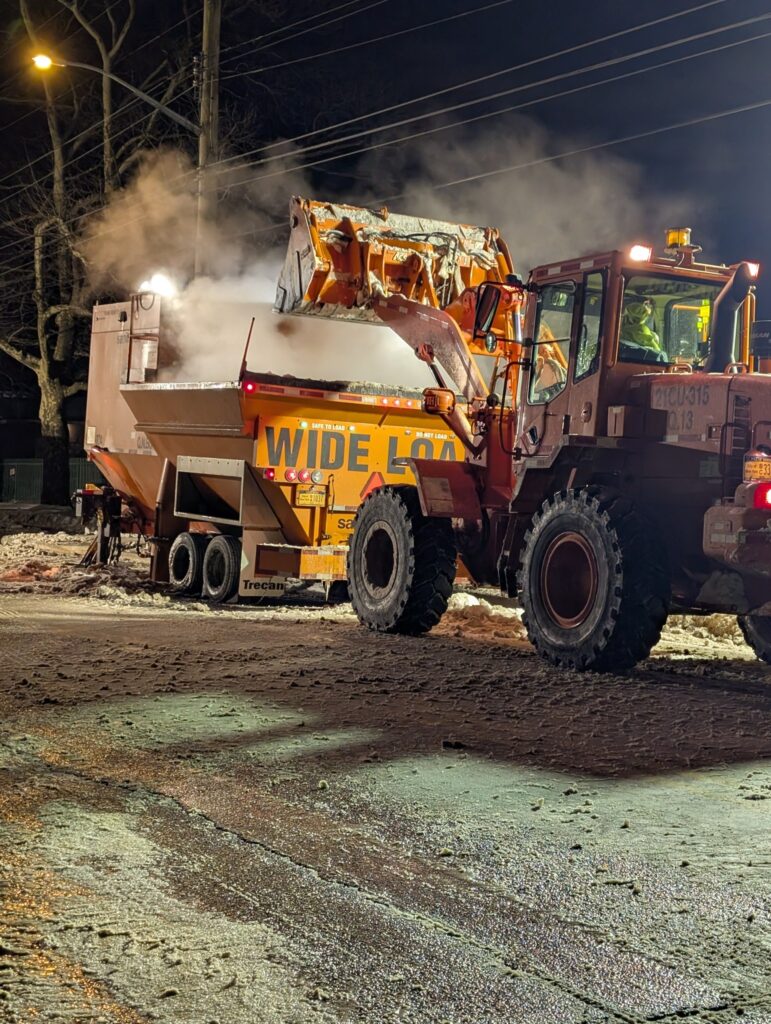
Disasters expose assumptions, especially when responsibilities cross department lines.
Greenville discovered a gap with generators staged around the city. When the generators needed fuel, Fleet believed Building Maintenance was doing it, while Building Maintenance, which had a new departmental head, thought Fleet was responsible.
Though they were able to resolve the confusion before things got critical, fleet ultimately took over the fueling. Afterward, Greenville adjusted its emergency response plan to spell out who handled what, when and how.
Klous stresses that avoiding these gaps comes back to communication.
During winter events, DSNY’s support services and operations teams work together to establish how large the plowable fleet should be. Once that benchmark is set, supervisors and field operations can triage repairs, identify equipment that can be returned to service quickly, and decide which units need parts or more extensive work.
Klous says fleet managers need the right people involved in these conversations, so departments understand one another’s plans rather than operating in silos.
“Fleet managers need to know that collections will not go out because there’s too much snow, but the parking authority is going to go out because they have to ticket and tow for snow removal,” he says. “It all comes back to communicating with various departments to find out what they will need from you as the fleet manager.”
Build Redundancy Into the Plan
McIver says that response plans only work if employees know how to use them.
Greenville reviews its manual processes at least twice a year and sometimes three times annually. When a new employee joins the operation, the department reviews the procedures again, so that the entire team remains familiar with them.
“A disaster response plan is not something we write up and stick into a book of SOPs,” McIver says. “A disaster is not the time to be studying it.”
Communication systems need backups too. Greenville relies on radio and cellular systems to communicate so that one can fill in if the other fails. Employees also receive training in radio terminology and etiquette, so that departments communicate consistently in an emergency.
Get Help Before You Need It
Partnerships, mutual aid arrangements and vendor requirements are also an important part of preparedness.
Greenville works with county, state and neighboring municipal partners and takes part in FEMA training, which provides formal and informal avenues for help from jurisdictions outside the affected area. They also have an agreement with Greenville County allowing their fleet to work from the county facility if its building becomes unusable. The city offers the same support in return.
“If I know somebody in the neighboring county that’s not affected, I can call them. We can get some help,” he says.
Klous takes a similar approach with vendors. DSNY performs about 90% of its repairs in-house, but major suppliers are contractually required to operate when the department does during storms and disasters. If DSNY moves to 12-hour shifts, those vendors must have personnel available in the five boroughs to provide warranty repairs and deliver needed parts.
Those agreements matter because even the best-stocked fleet cannot predict every failure.
“You might run out of something, or something’s a one-off,” Klous says. “That’s why we have the agreements with our vendors to be open 24/7 while we’re working.”
Revisit the Plan
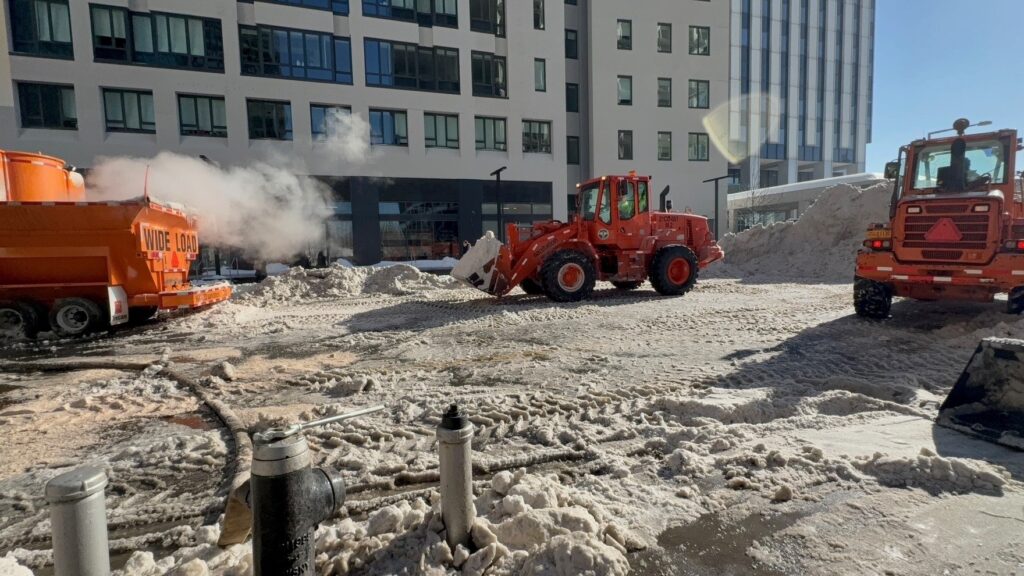
Klous recommends looking closely at fleet performance after an event. Which vehicles failed? Why did they fail? Did one part of the jurisdiction experience more equipment problems? Would relocating technicians have improved the response?
At Stamford, Klous conducted a SWOT analysis after storms with his staff to name what worked, what did not and what should change before the next event. He recommends holding those conversations within a week, while details are still fresh.
That approach turns every emergency into preparation for the next one.
Finally, McIver cautions fleet managers against ever declaring an emergency plan finished.
“Never think that it’s perfect and that it covers everything,” he says. “You’re never going to be 100% ready for everything.”