Michigan Commission Backs Federal Bill to Treat Government Snowplows as Emergency Vehicles
The State Transportation Commission voted unanimously Nov. 5 to support H.R. 8782, which awaits review by the House Energy and Commerce Committee.
Source: Michigan Department of Transportation ↗
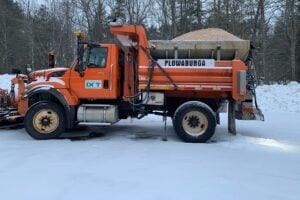
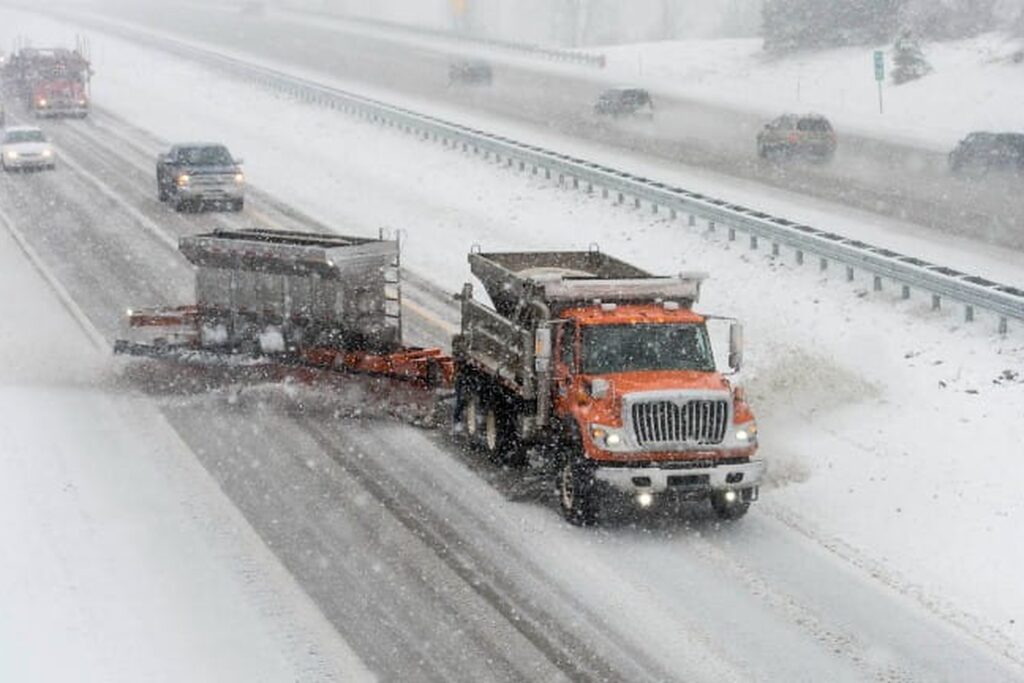
Michigan’s State Transportation Commission voted unanimously Nov. 5 for a resolution supporting H.R. 8782, a federal bill that would exempt snowplows operated by state, local and tribal governments from federal diesel emission regulations, the Michigan Department of Transportation said Nov. 6. The resolution also recognizes government snowplows as emergency vehicles.
The County Road Association of Michigan had previously escalated the concern after noting the effects of emission control devices on newer snowplows, according to MDOT.
“If an emergency vehicle is trying to get to somebody in a blizzard but cannot because the snowplow is not operating, that’s a problem,” said Commissioner John Peracchio. “It elevates the status of the snowplow as an emergency vehicle in terms of the exemption.”
The Bill
Rep. Jack Bergman, who represents Michigan’s 1st District, introduced the Protecting Lifesaving Operations during Winter Storms Act, which MDOT calls the PLOWS Act, on May 13. MDOT says the bill would exempt snowplows used by state and local agencies from federal diesel emission regulations in recognition of their public safety mission. Reps. Tony Wied and Pete Stauber are listed as cosponsors. The bill was referred to the House Committee on Energy and Commerce, where it awaits further review.
The bill’s text amends the Clean Air Act’s definition of a covered fleet, which already excludes law enforcement and other emergency vehicles, to count as emergency vehicles the snow and ice vehicles and machinery that state, local and tribal governments own or operate. The text does not mention engine emission standards or emission control devices.
Timing
MDOT said the department and local road agencies are completing final inspections of their winter maintenance fleets and receiving early shipments of road salt ahead of the season.