New Hampshire Raises Private Snowplow Contractor Pay 15% to Fill Driver Gap
The Department of Transportation filled only 323 of 367 rental truck slots last winter; the Governor and Executive Council accepted the 15% increase Oct. 21.
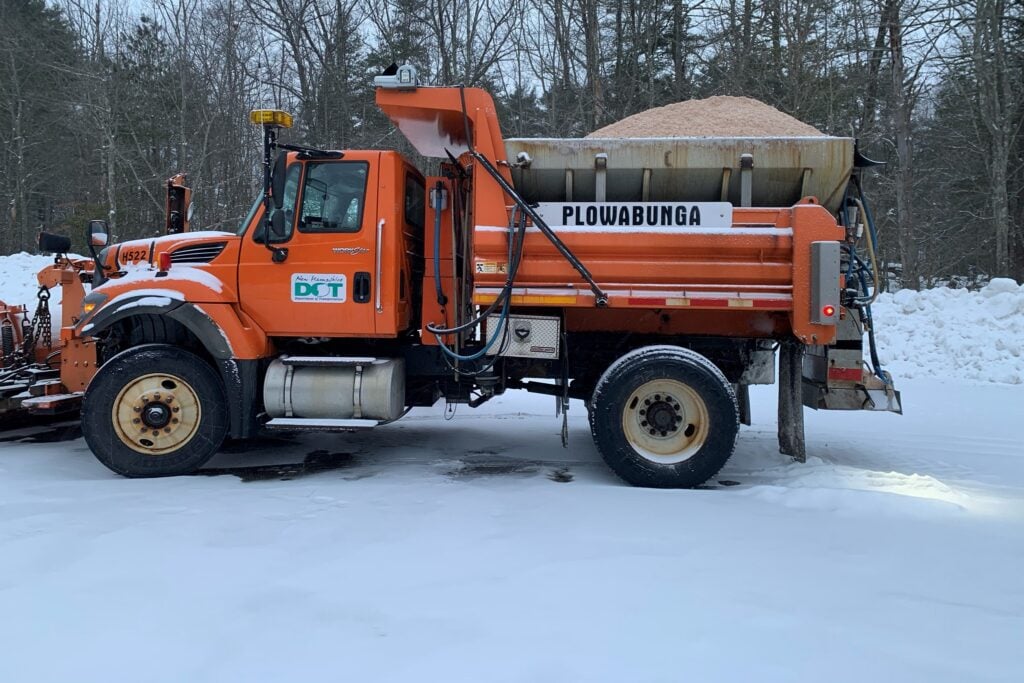
Source: New Hampshire Governor and Executive Council agenda, Oct. 21, 2026 ↗
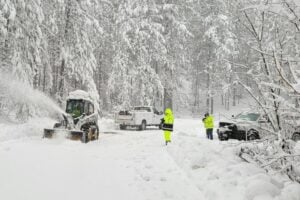
New Hampshire raised private snowplow contractor pay 15% after the state’s Department of Transportation filled only 323 of 367 rental truck slots last winter, leaving highway coverage gaps across the 4,000-mile state highway network, the New Hampshire Bulletin reported.
The Governor and Executive Council accepted an informational item from the Department of Transportation on Oct. 21 laying out the increase, which lifts the hourly rate for commercial driver’s license holders from $26.45 to $30.42 and for drivers without a commercial license from $23 to $26.45. The department estimates the change adds $2 million to $3 million to winter operating costs for the 2026-27 season. That funding would come from the New Hampshire Highway Fund, supported by vehicle registration fees and gas taxes, or the Turnpike Fund, supported by tolls; the department will return to the council during the winter to request the transfer once the actual draw is known.
Department of Transportation Commissioner David Rodrigue told the council the agency faces a 26% overall vacancy rate, among the highest in state government, and said the vacancy rate for plow drivers specifically is “significantly higher than that.” The driver shortage also reached into the private sector. “The Department has had similar difficulty contracting drivers with rental equipment to supplement the Department’s internal staff shortage,” Rodrigue wrote in documents supporting the rate request. “Our limited pool of available CDL drivers with plowing experience only serves to heighten the need for recruiting and retaining sufficient contractors and equipment.”
The staffing gap had direct operational consequences last winter. The department had planned to field 667 trucks, 300 state-owned and 367 rented, but was able to find drivers for only 323 of those 367 rental trucks. Rodrigue wrote, “The existing shortage increases the time it takes for us to respond during ice storms and increases the snow on the road during snowstorms due to other state and rental trucks having to cover multiple routes.”
The department tiers its 4,000-mile network by traffic volume. High-priority corridors, Interstates 89, 93, 293 and 393 among them, carry a 90-minute clearance cycle during the day and a four-hour cycle at night. Roads below 1,000 vehicles per day run on a 3.5-hour daytime cycle and a seven-hour overnight cycle.
The rate schedule shows where New Hampshire stands against its neighbor. Last winter, the state paid $77.79 per hour for a 1-ton truck, $105.29 for a 3- to 5-ton truck and $110.68 for a 10-wheeler, according to the department’s rate appendix. The new schedule raises those to $89.46, $121.10 and $127.28. Massachusetts paid $126.34 per hour for a 1-ton truck and $222.83 for a 3- to 5-ton truck last winter, according to the New Hampshire Bulletin, or 62% and 112% more than New Hampshire. Graphs provided by the department show that Massachusetts has also increased its rates at a faster pace than New Hampshire in recent years, widening the gap further. The department first raised private contractor pay 15% in 2023 under the same competitive pressure.
Councilors in both parties approved the plan but challenged its direction. “I am concerned that we are getting ourselves into a sort of downward spiral,” said Karen Liot Hill, a Lebanon Democrat and councilor. “We’re not investing adequately into our own personnel, and then we end up having to hire contractors, and we pay them more to do the same job that if we had personnel on staff that they would be able to do.” Manchester Republican Councilor John Stephen raised the equity question for current state employees: “What does this say to the DOT employees that are out there, that are going to be driving alongside these contracted-out plow drivers and equipment, and they receive a 15% increase, and the DOT employees are not receiving that increase?”
Rodrigue said he heard those concerns. “We represent the citizens of New Hampshire at the end of the day who own our infrastructure, and we need a solid, competent workforce in order to do that,” he said. Both Liot Hill and Stephen suggested Rodrigue make a greater effort to increase pay for state plow drivers and make staffing a priority in the next Ten-Year Transportation Improvement Plan. Rodrigue said he would focus on recruitment “as vigorously as I can,” without issuing specifics. “You have my 100% commitment, and our DOT teams’ 100% commitment to continue to do our best to tell our story about what we need to do to reduce the vacancy rate at the DOT,” he said.