Clallam County Fire District 3 Faces $13.4M Tab to Replace 17 Poor-Rated Apparatuses
Commissioners in Washington deferred broader replacement commitments pending a Service Delivery Plan and asked that the apparatus plan come back for further discussion.
Source: Clallam County Fire District 3; Journal of the San Juan Islands ↗
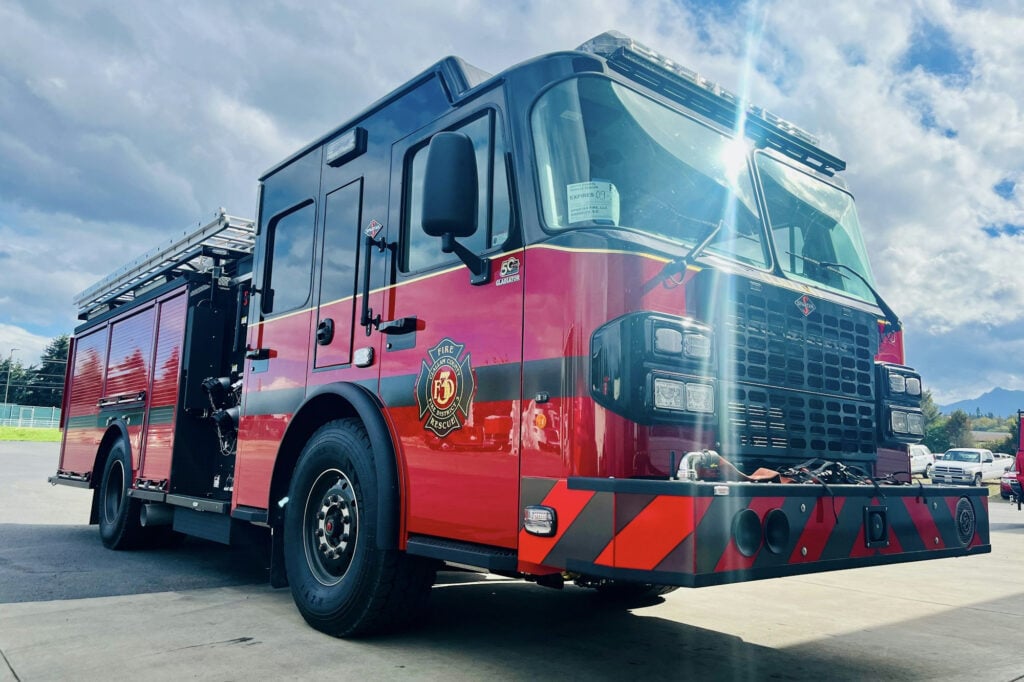
Clallam County Fire District 3, Washington, is looking at an estimated $13.4 million replacement bill for 17 vehicles scored poor under an AP Triton apparatus rating matrix, with commissioners discussing the full replacement picture at their Oct. 20 regular meeting and agreeing to return the topic for further discussion.
Staff shared the Apparatus Replacement Plan at the Oct. 20 regular meeting. AP Triton scores each unit on age, miles or hours, service history, condition and reliability, then places it in one of four categories: excellent, good, fair (consider replacement) or poor (immediate replacement).
Three units in fair condition, one ambulance, one command vehicle and one inspector truck, would cost about $555,000 more to replace. Two ambulances scored good. Two ambulances, three new engines, one brush truck and seven other vehicles rated excellent.
The district’s plan also cites the National Fire Protection Association’s NFPA 1910 standard, which recommends placing apparatus more than 15 years old in reserve status or refurbishing it. Maintenance Supervisor Tharin Huisman said refurbishing units older than 18 years may not be cost effective. He also told commissioners the water tender targeted for 2027 replacement needs a new motor that would cost $50,000 to $100,000, more than the truck’s current value. Huisman said the tender is very old and he is confident a replacement could last quite a few years. Deputy Fire Chief Tony Hudson noted that used apparatuses are bringing more money than ever before, though Huisman cautioned that vehicles the district chooses not to repair could fetch less at resale.
Huisman recommended the 2027 budget include a water tender at $500,000 and an ambulance at $200,000. The district’s 20-year Capital Improvement Plan calls for at least $1.1 million in apparatus replacement spending from 2026 through 2030. Staff recommended in July that the annual figure reach $1.42 million in 2027 and hold at $1 million each year after that. Finance Manager Misty Shaw said the totals show how far behind the district is in replacing its vehicles. Staff reported that the 2026 budget covers only the remaining balance on a 2025 fire engine purchase, leaving $710,000 in vehicle replacements unfunded and adding to 2027 pressure.
Shaw outlined three funding options: redirecting $2.5 million in capital funds toward vehicle replacements, which would require the district to take on additional facilities debt; adding a ladder truck and fire engine to a future facilities debt issuance to reduce the near-term funding gap caused by delayed apparatus replacement; and budgeting 4% of budgeted levy revenue annually for apparatus replacement going forward.
Commissioners were not prepared to extend commitments into 2028 and 2029 while the district’s service delivery model remains unsettled. Commissioner Mike Mingee said next year’s requests were reasonable but that broader commitments had to wait. “We shouldn’t be obligating any projected money to ambulances if we don’t know what delivery model we’re going to have,” Mingee said. He and other commissioners want to wait for a Service Delivery Plan expected to be presented later this year that will incorporate updated 911 call data and service time reviews before any further apparatus decisions are made. No formal decision was made on apparatuses, and Mingee recommended bringing the discussion back at a workshop.
On facilities, commissioners unanimously approved a $68,000 contract with Aetta Architects to conduct conditional use permit design for replacing Dungeness Station 31 at Cays Road and Gold Dust Lane, and a $2,960 contract with Wiggins Preconstruction Services to estimate costs for various building types on the property. Replacing Station 31 and building a new Carlsborg Station 33 are the two top facility priorities for commissioners. For Station 33, staff will draw on available capital budget funds for design work after initial cost estimates came in significantly over projections.
While no decisions were made on which station projects to pursue, Mingee said, “the more data we have when we decide to go public the better.”