AI, Leadership and Communication Drive the Conversations at RTA Connect 2026
AI filled the agenda in Chicago, but the fleet managers in the room were the reason to be there.



 1 / 19
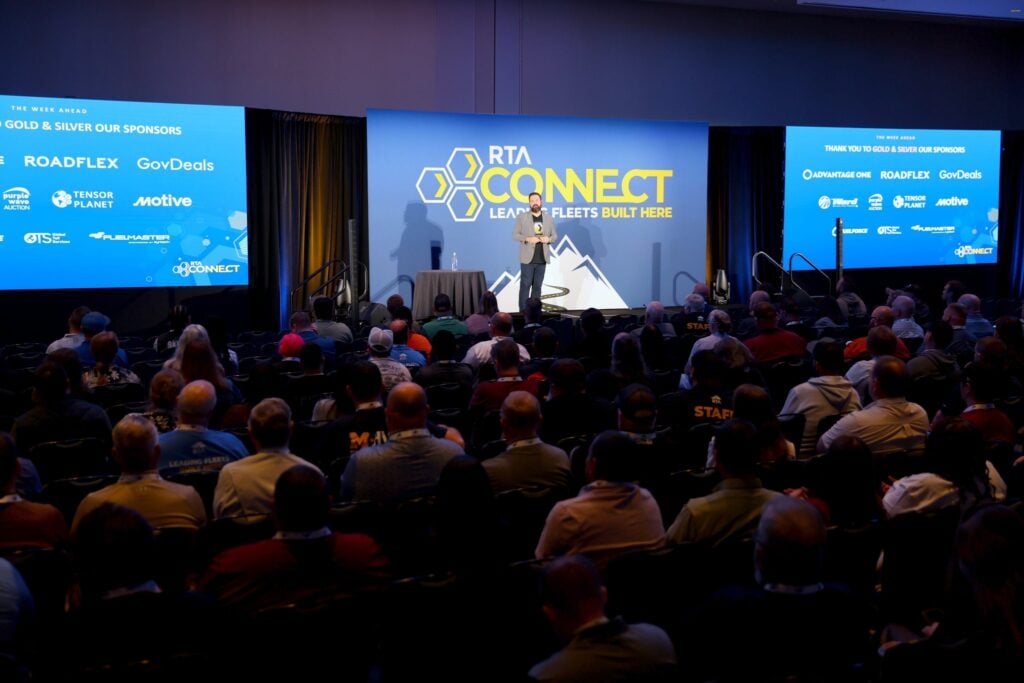
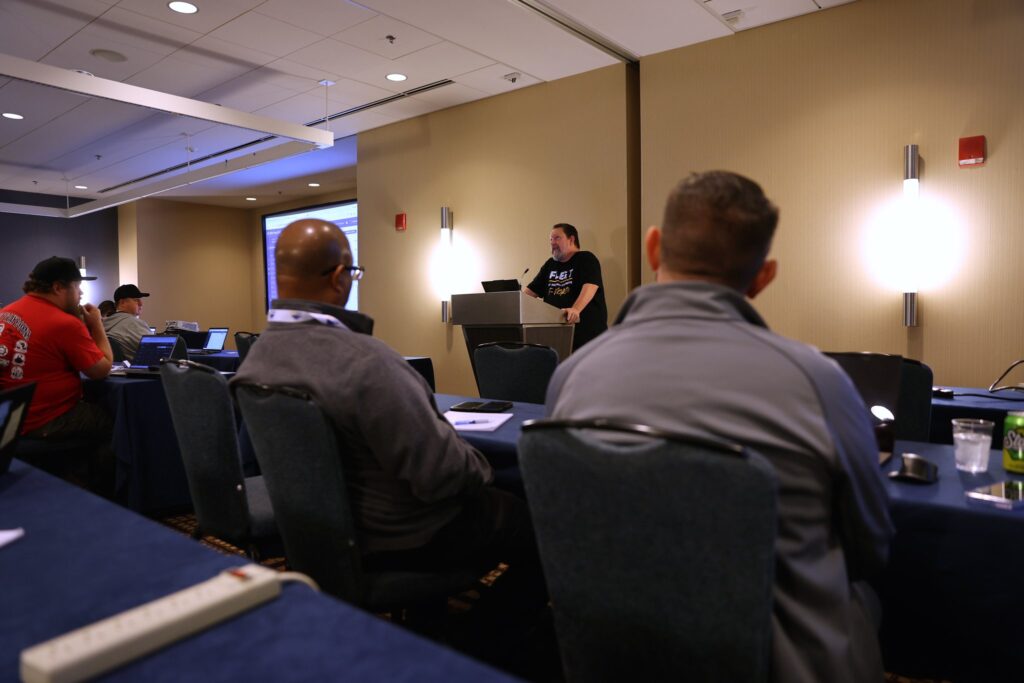
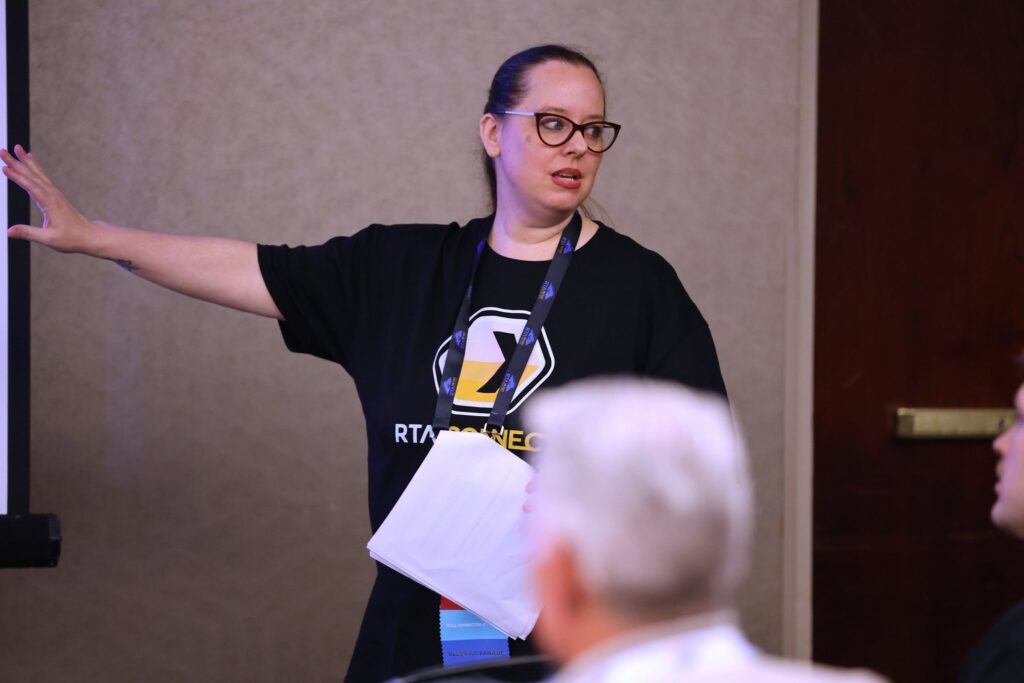
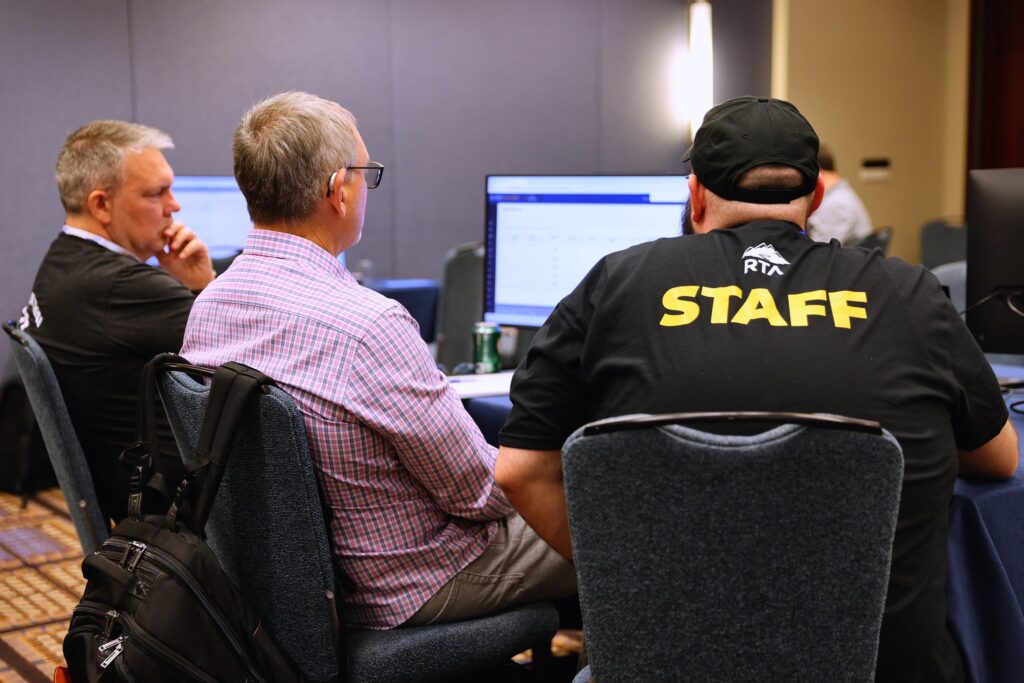
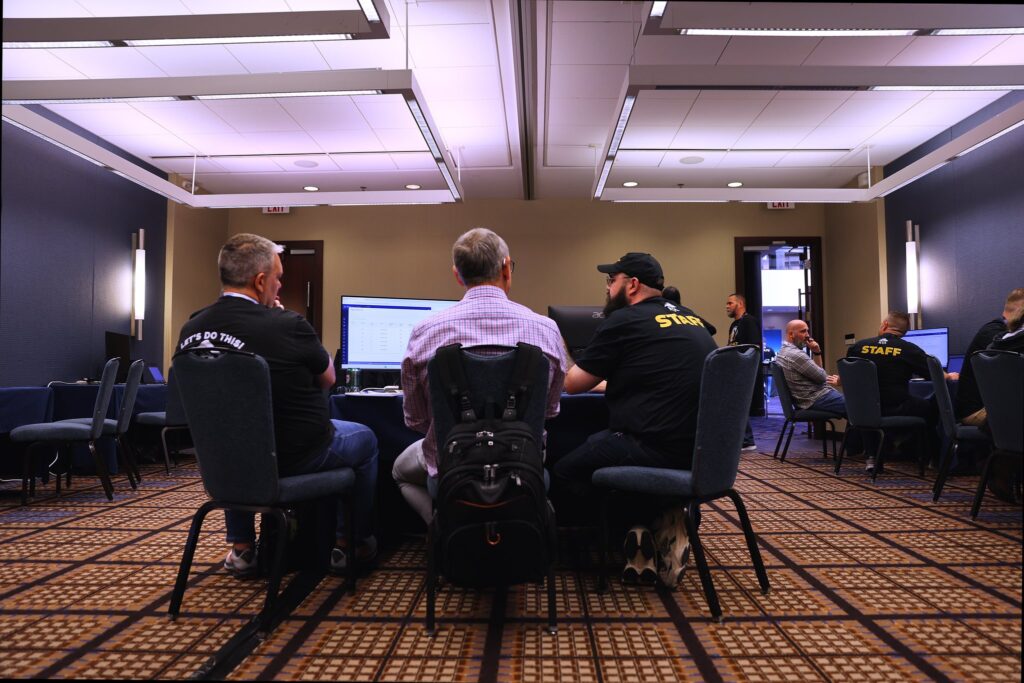
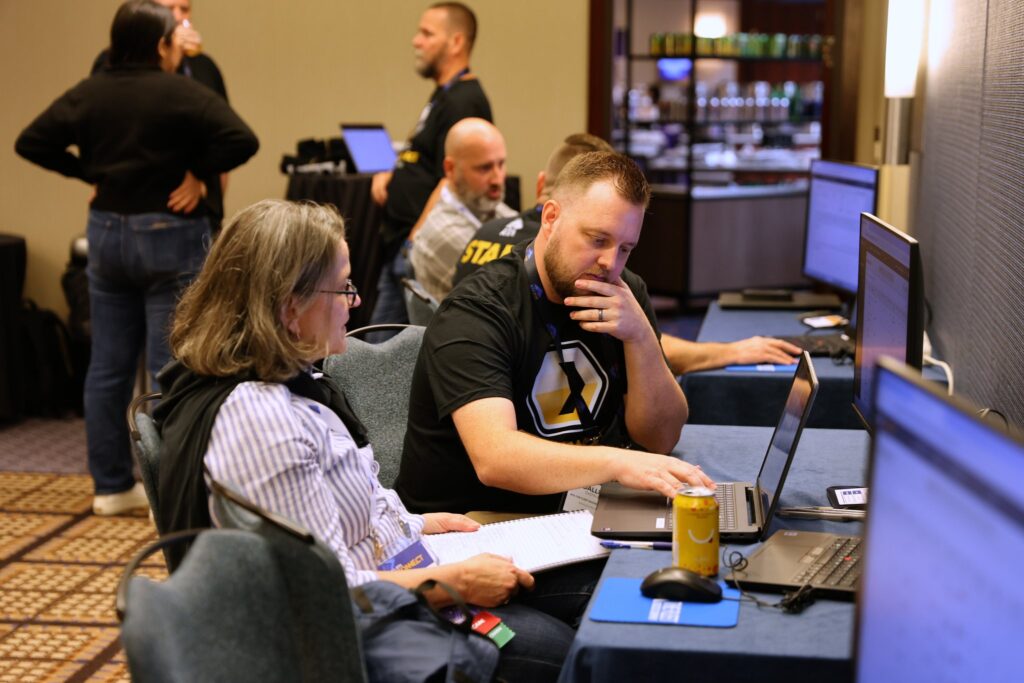
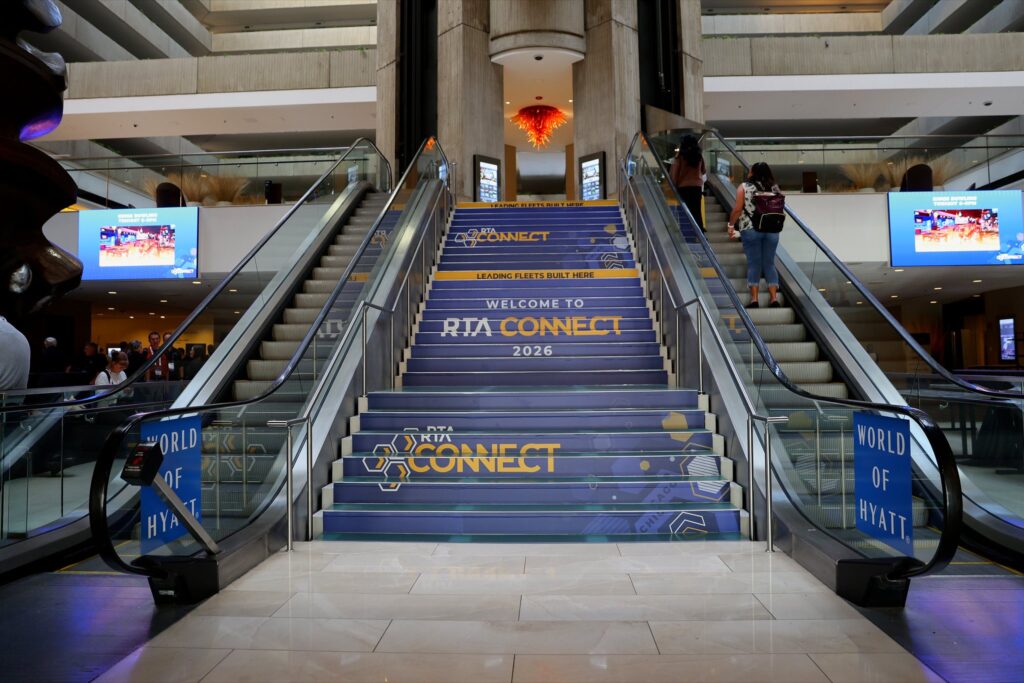
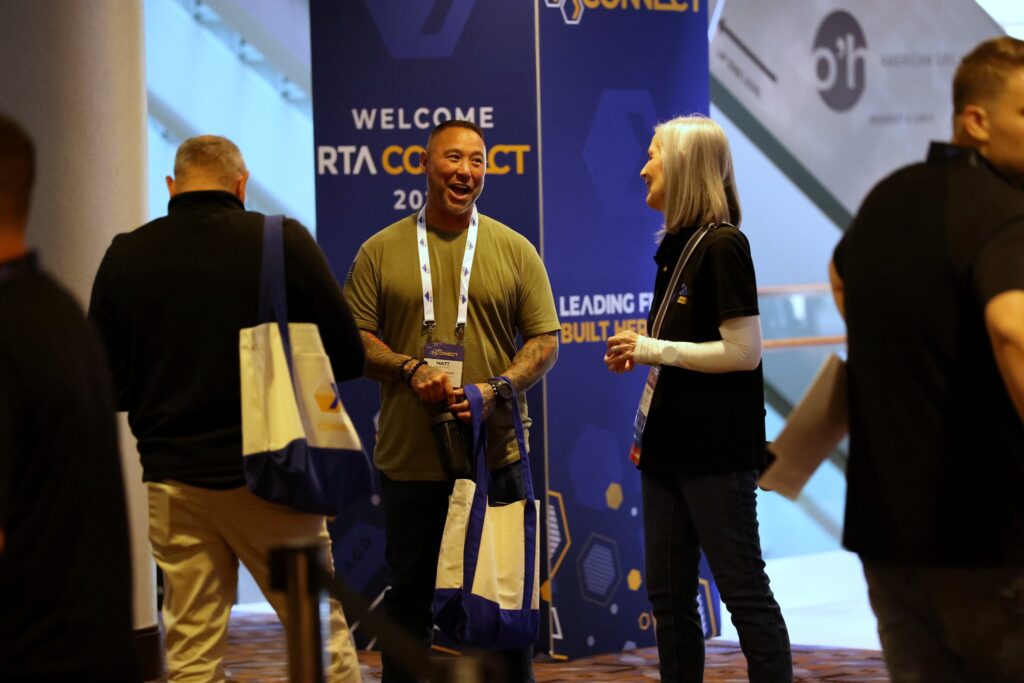
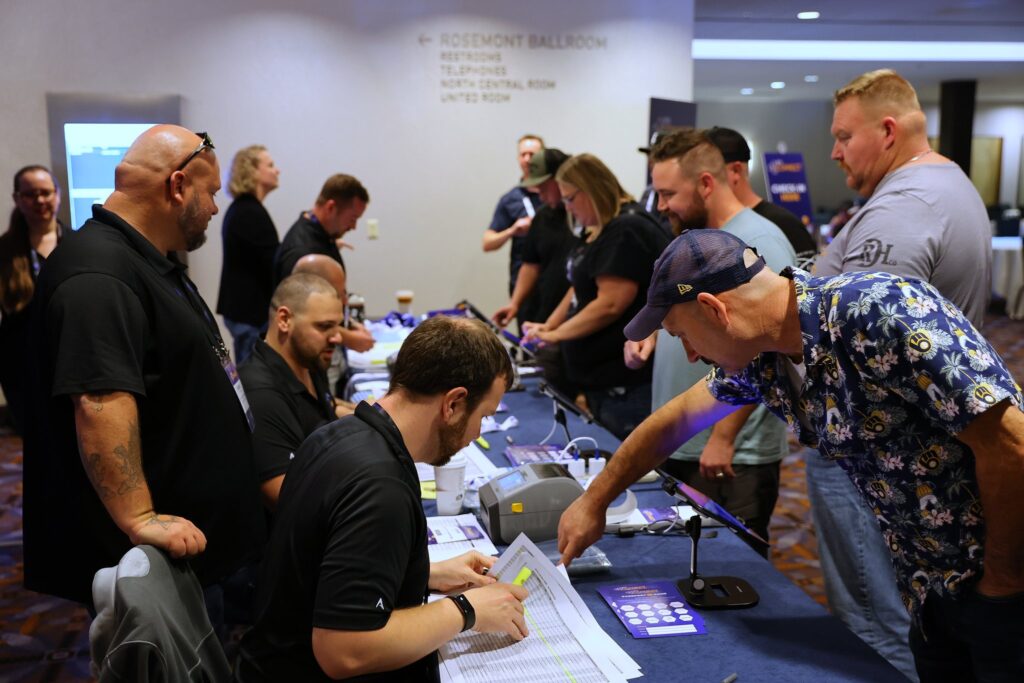
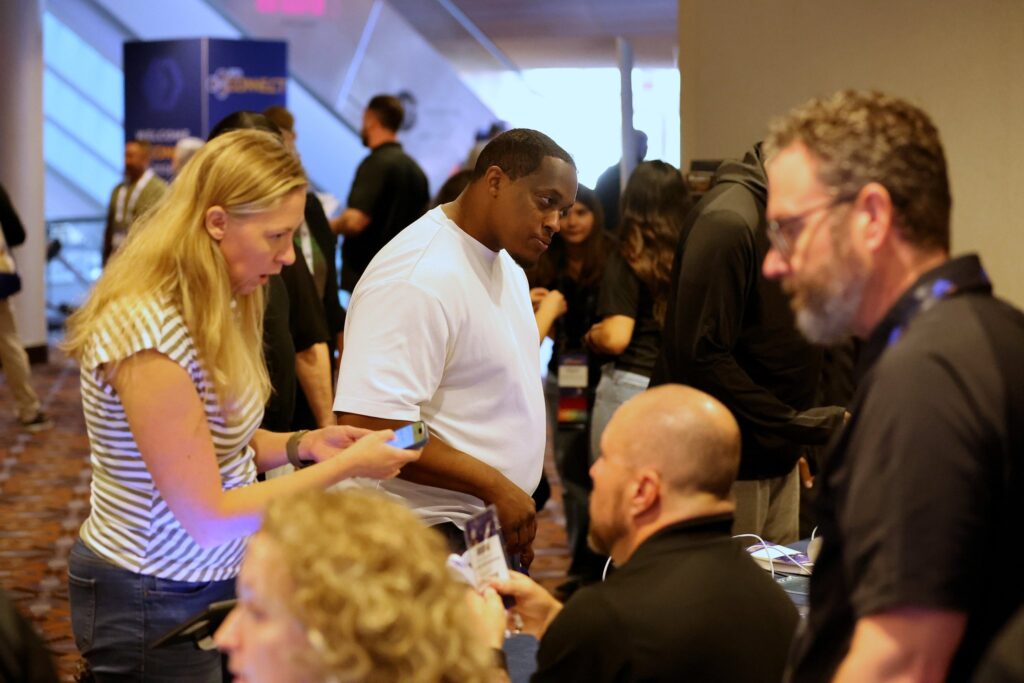
AI was front and center at RTA Connect 2026, held Oct. 12-16 at the Hyatt Regency O’Hare in Chicago, but so were the people and teams using technology. RTA kept putting fleet managers in a room, asking what their challenges were and then helping them work through solutions. Three themes kept coming up in the sessions and the hallways: what AI can do for a fleet today, how leaders and teams talk to each other and how much fleets learn from one another.
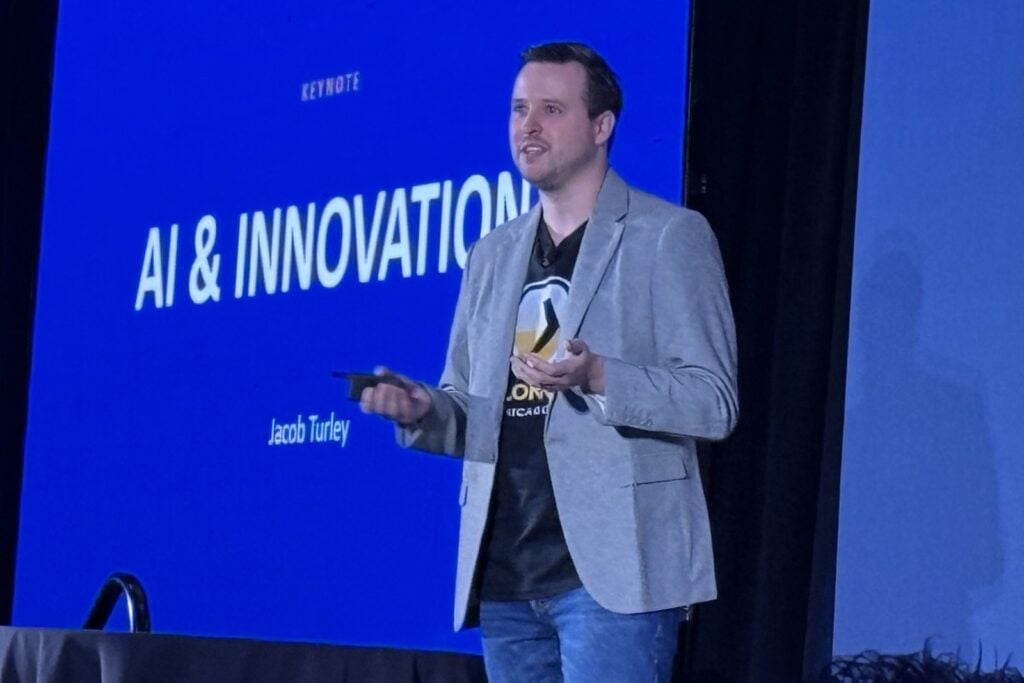
RTA CEO Josh Turley set the tone in his keynote when he talked about being an AI “apocaloptimist,” someone who takes the risks seriously and looks for the good anyway. Put the tools to work, then use the time they save for the work that matters and for your people. I wrote about striking that balance, and why time in the room with other fleet people still matters, in I Hate AI, Social Media and Cell Phones.
Many public fleets are still early with AI, and some don’t have the green light to use it at work. So I asked Jacob Turley, RTA’s vice president of innovation, what a fleet manager should do personally, before any major AI projects enter the picture. His answer: “start playing with it.” Use it for things you already do every day, like writing emails. If you tried ChatGPT early on and walked away, try again, because it has changed. You don’t have to become an expert, either. For most of what you need to learn, he said, “you don’t need the best teacher. You need a proficient teacher.”
Jacob offered a practical example from the conference floor. A customer stopped by a booth with data in a spreadsheet and no ready-made way to import it into RTA. Jacob told them the fix was simpler than they expected: Ask an AI tool such as Claude or ChatGPT to build a small web page that sends the file to RTA through its API. RTA’s software has APIs for that kind of connection, he said, and the company expects to support MCP, a newer standard that lets AI tools connect directly to software, down the road.
It doesn’t always go smoothly. In one session, a fleet manager who had tried AI on next year’s fuel costs reported getting “nothing but apologies.” Jacob’s advice for getting more out of it: Treat AI like a new employee. Hand it a job with no context, and “results are going to vary.”
So what is RTA’s own AI doing for fleets today?
What Ron360 Does Now
Ron360 is the AI assistant inside Fleet360, RTA’s fleet management software. It launched in June, and new features keep coming. Some of what was shown at the conference was newly launched, and some already exists. You ask a question in plain language. It answers from your own fleet data. It returns text, charts and tables, and you can save a chart as a dashboard widget. It follows each user’s permissions.
At the conference, a question about which vehicles cost the most to maintain in 90 days came back as a ranked chart in 21 seconds. Jacob said the most common question, by his memory about 30% of them, is “what vehicles are due for service.” That’s a screen the software already has. People just want to ask instead of click.
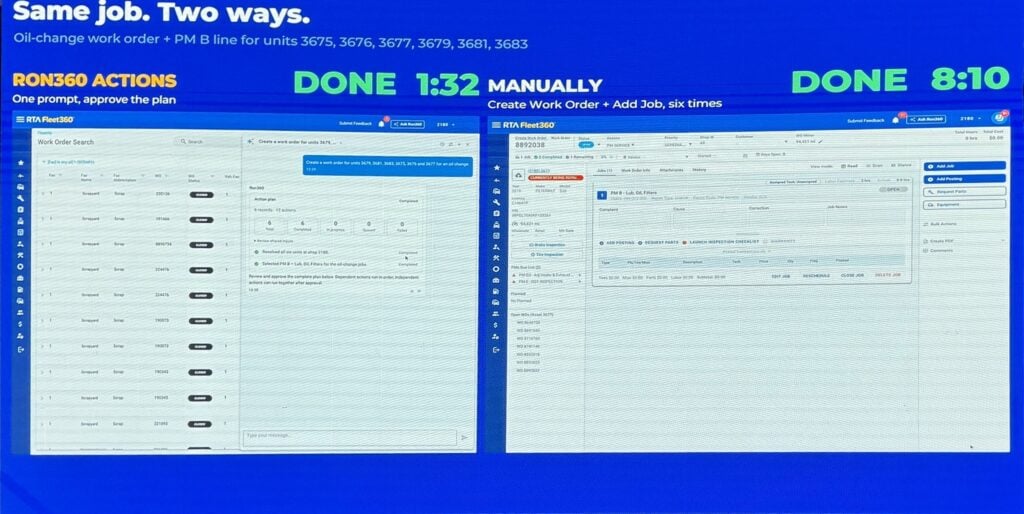
RTA also demoed Ron360 Actions. One prompt built six oil-change work orders in 1:32. Doing the same job by hand took 8:10. The user approves the plan first.
Jacob was candid that Ron360 isn’t yet doing full analysis.
Next is an “executive narrative,” a “story with graphs, data, et cetera,” built inside Ron360 without exporting anything. RTA also wants Ron360 to spot problems on its own, such as low technician productivity, and take care of them. Jacob’s long view is a world “more like Tony Stark.” You ask what’s going on with your fleet. It tells you what matters and what it already handled.
Billing That Doesn’t Wait for Month End
Marc Knight has 35 years in the industry as a fleet manager, consultant and software builder. He walked me through RTA’s new billing module for Fleet360, which he called “the first real-time billing fleet management module in the industry.” Whether or not it’s the first, the problem it targets is one almost every fleet knows.
The old way. Fuel, maintenance, motor pool and fixed costs sit in separate places until month end, when a report writer pulls them together and someone moves the file into the finance system by hand. The cost is a budget that is out of step with reality. “What my budget shows and what reality is maybe six weeks off,” Marc said.
What RTA is building. The new module works as each charge posts. A rules engine assigns accounts and flags exceptions, such as a charge over a set dollar amount or a missing piece of data. A billing administrator reviews the day’s charges on one screen and can approve, hold, deny or adjust them. Approved charges go to an export queue for finance. Recurring charges, such as fixed monthly costs, still run once at the end of the period.
The problems it solves
Surprises that show up too late. Marc’s pitch is a move from a monthly batch to a daily workflow, so you aren’t “finding out I’m over on my parts budget” after the month closes. One customer plans to export daily instead of waiting 30 days for the money to reach the ledger.
Corrections that rewrite history. Fixing a bad charge used to mean editing the work order, which changes the vehicle’s maintenance history. Now adjustments happen on the billing side. “We don’t overwrite transactions anymore. We reverse transactions and create new,” Marc said.
Finance doubts. Finance staff often ask, “How do I know this is true?” Auditors ask how the numbers got into the general ledger. A billing history screen lets you search by work order, unit or department and export the results for the auditor.
The custom interface bill. Every new customer used to mean new rules and a custom billing interface, which Marc described as “a $20,000 quote.” Now the customer fills out a workbook and hands over the layout of its finance file, AI helps build the export rules and setup takes a day or two.
Who it’s for. Midsize and larger fleets, especially state fleets that move money between agencies. A department fleet with one budget may not need it. Existing reports keep running.
Where it stands. Billing is part of RTA’s tier packages, with the rules engine and AI-built exports in the advanced tier. The engine has run with a couple of customers for months. A limited customer beta with all the screens starts in December, Marc said.
Asking the Room
RTA didn’t only show off what it had built. It also asked the people who use it what they wanted next. One session started with a simple question: What would you want in a customer portal for departments such as police and public works? While people answered, a member of RTA’s product team fed those answers to an AI agent on the screen.
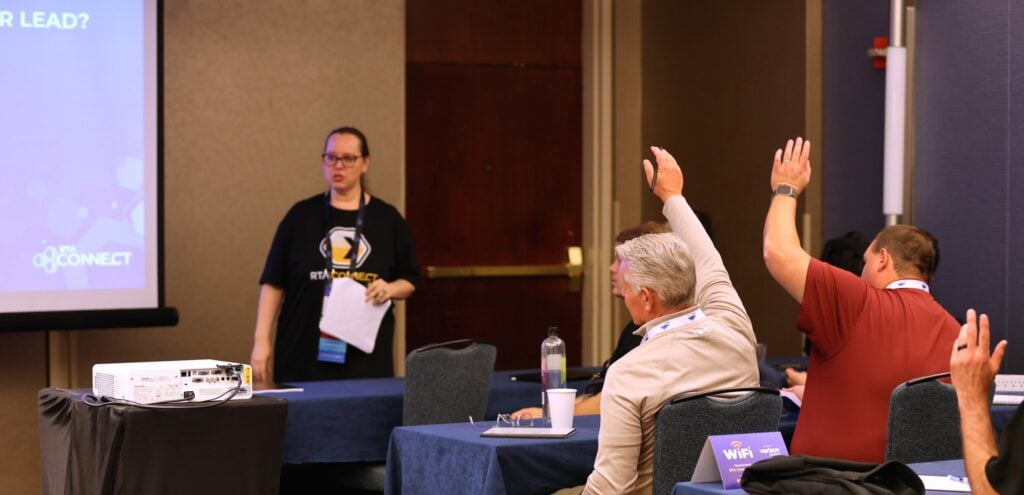
RTA got ideas for its product. The rest of us got to hear what other fleets have already tried.
The answers read like a to-do list for the product. Keep the service request intake short, said one fleet manager. After starting with a detailed form, that fleet moved to a free-form box of a couple hundred characters, because “they’re going to diagnose their own car, and that’s the last thing I want.” Drivers should be able to do daily inspections without a separate login for each of the city’s 400 employees, said another manager, whose own attempt “failed after about four days.”
Jacob said the portal prototype on the screen took about 15 minutes to build.
The discussion also moved past the portal to other things AI could do. Some asked for better utilization data from telematics, to decide whether a vehicle belongs in a motor pool, and for a way to ask the system for the right equipment manual. RTA answered both on the spot. Connecting Ron360 to telematics data is on its roadmap. It also has a way to upload manuals to a knowledge base, but hasn’t rolled it out yet.
Wisdom Circles took the idea of asking the room further. Instead of RTA gathering input, the circles set aside time for fleet pros to share solutions to their major issues and challenges with one another, in small groups. It put peer sharing at the center of the program.
Leadership and Communication
Leadership and communication ran alongside the AI talk. The agenda included a leadership track with sessions on coaching your people and on how fleet leaders can use today’s AI tools to make faster decisions, improve communication and reduce administrative burden. Several sessions went at the same question from the customer side. One covered building a stakeholder communication system to share updates, capture feedback and prove your fleet’s performance to earn trust with leadership. Another looked at measuring stakeholder satisfaction, on the idea that perception drives fleet success.
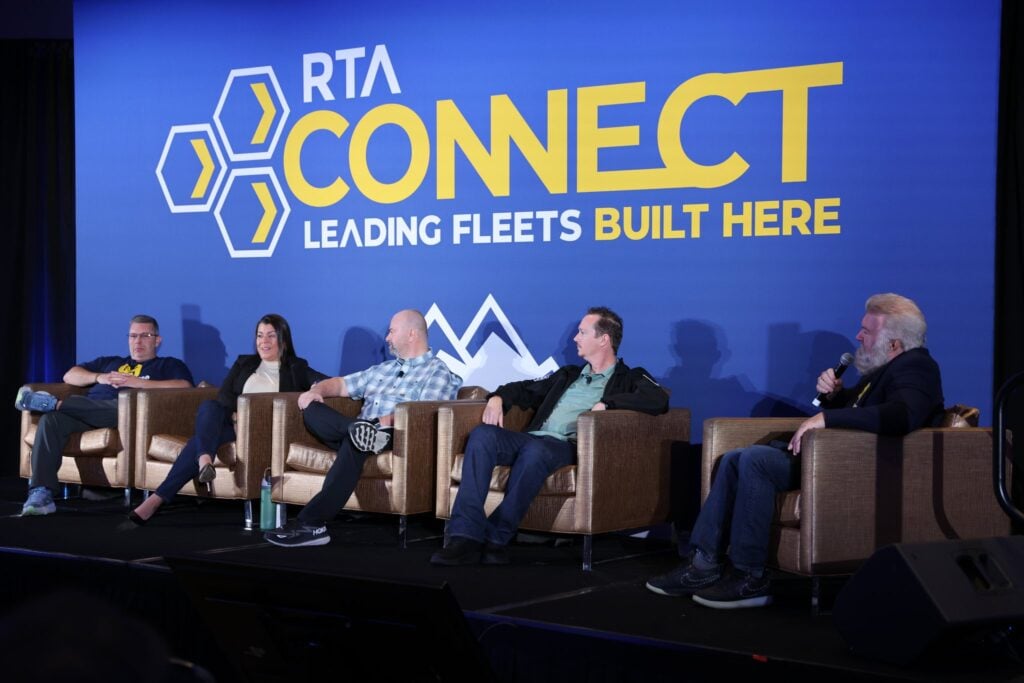
Friday’s culture panel brought it back to people. It was billed as “unscripted, unfiltered, and real,” with fleet leaders talking about what worked, what didn’t, how tools like AI helped and what they would do differently.
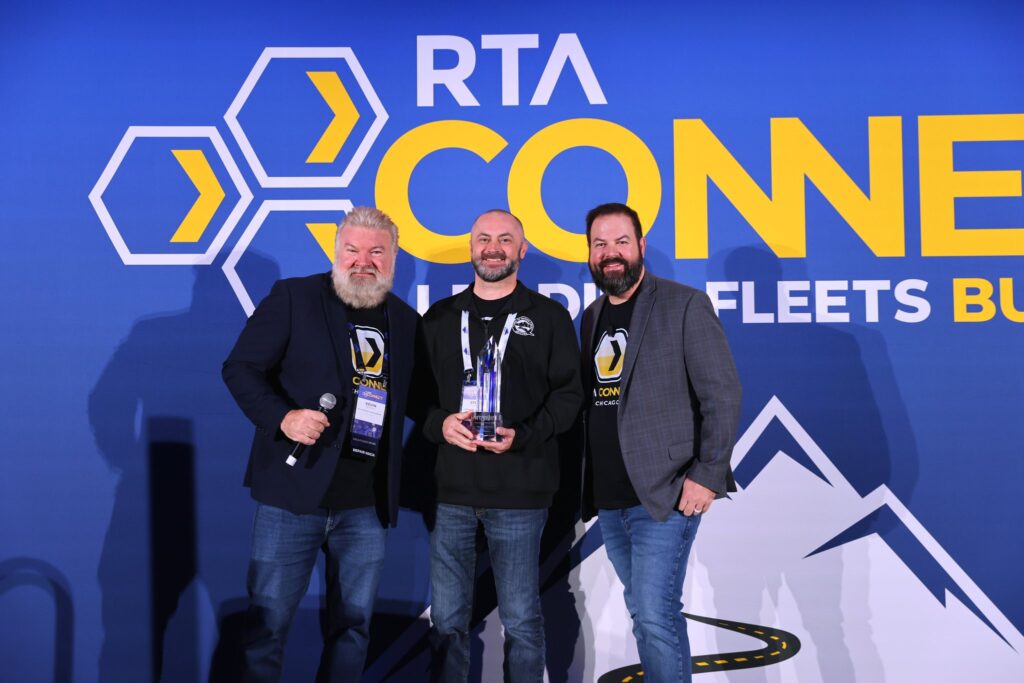
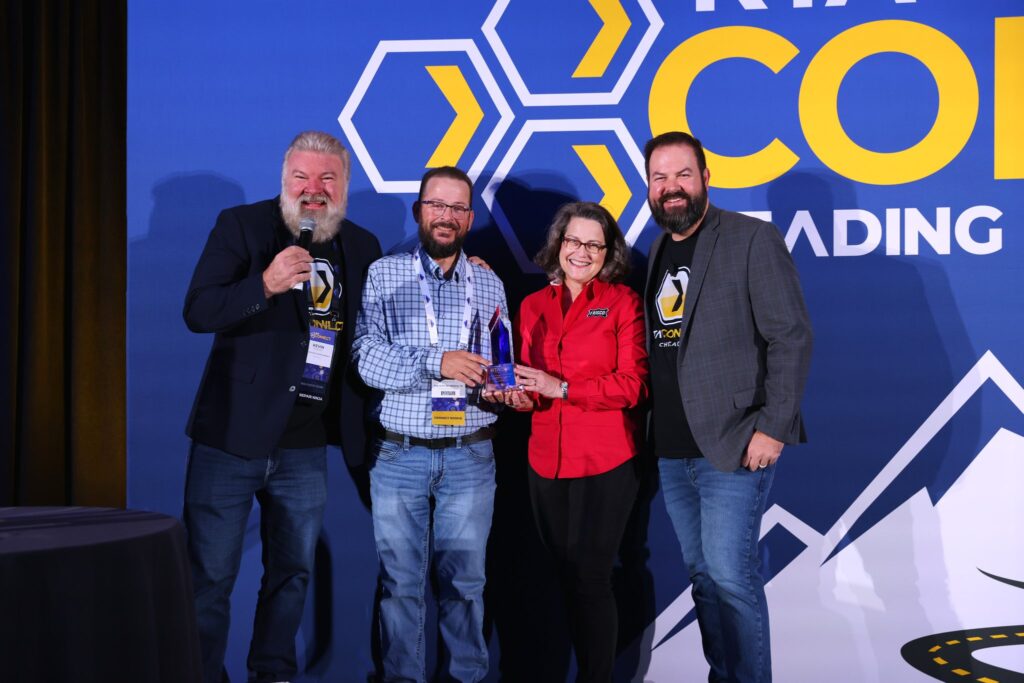
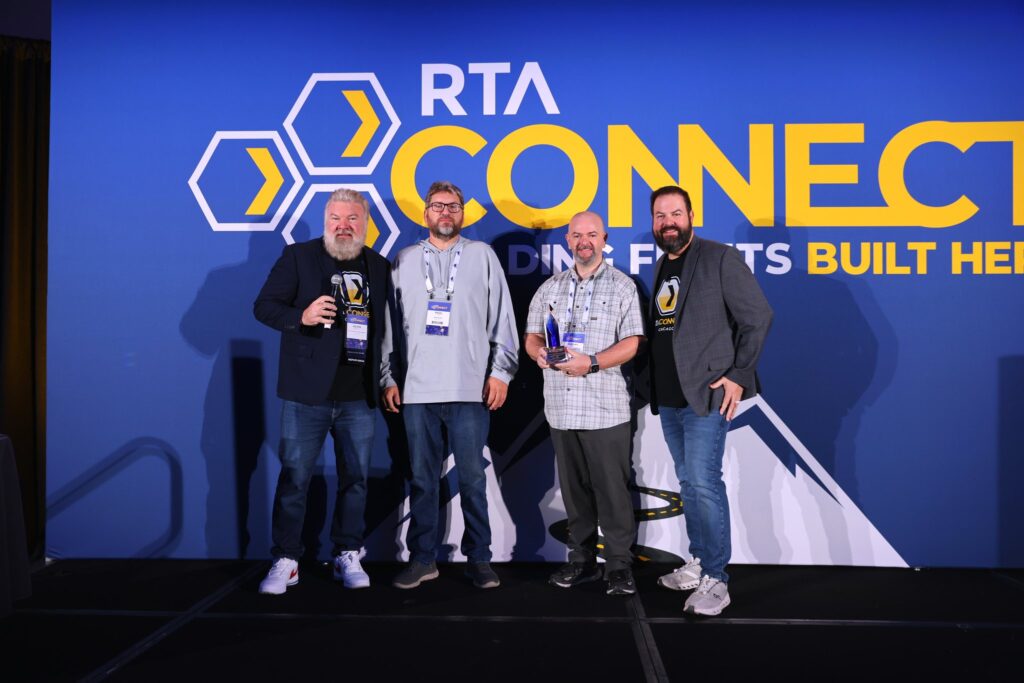
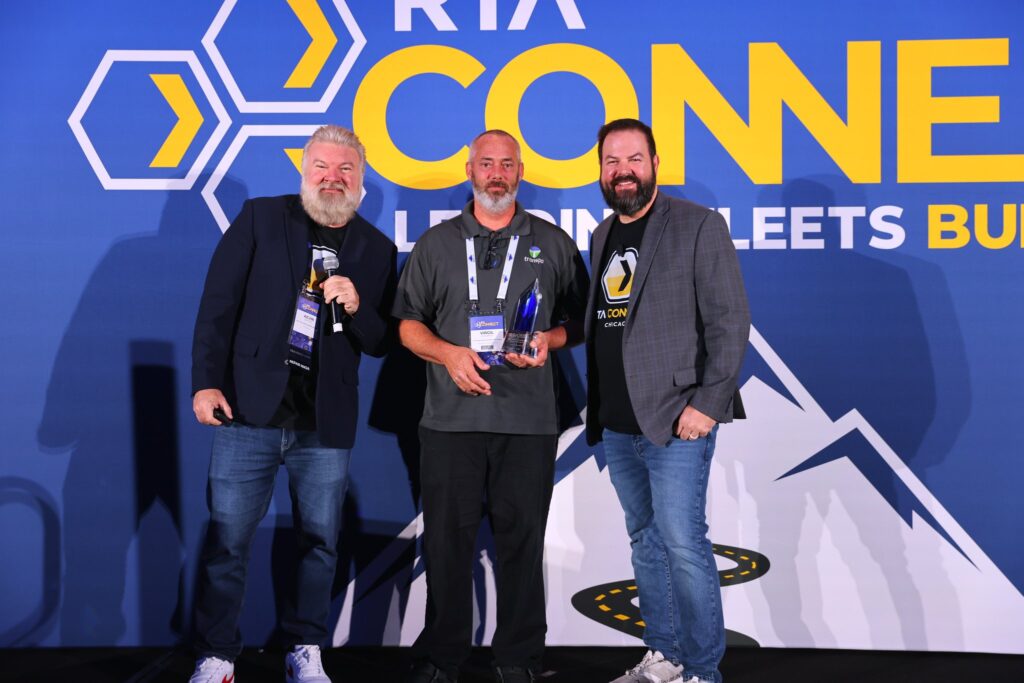
RTA also used the week to recognize results. The first Fleet Success Awards named the Town of Queen Creek, Arizona, Most Successful Fleet. Our report on the award shows what that looks like in numbers: The fleet keeps 79% of its maintenance work scheduled, against a 70% industry benchmark, and posts 97.6% on-time preventive maintenance compliance against a 95% internal target.
After Hours
The sessions ended, but the conversations didn’t. Plenty of the week’s best ones happened at the welcome reception, at Pete’s Dueling Piano & Tiki Bar and over meals.

Then there was Cigars and Fleet Stories, hosted by RTA fleet success ambassador Facundo Tassara. It was a large gathering that just kept growing, and it’s where the real personalities, challenges and humor came out. Sharing your story is a theme Facundo focuses on. At one point, I joined a bunch of fleet pros as we did our best to recreate a ’90s rap album cover. The picture tells the story. We all need to keep our day jobs.

What I’m Taking Home
Try AI before your agency asks you to. Follow your agency’s rules. But nothing stops you from trying it at home on things you already do. Jacob’s point was that you can’t judge a vendor’s AI until you know how to talk to one. Give it context, as you would a new employee, and expect to rework the first answer.
Ask your software vendor what its AI does today and what is only planned. Jacob was open about the difference. Ron360 answers questions from your data now. Actions was shown in a demo. Deeper analysis is on the roadmap. Also ask whose data the AI can see. Ron360 follows each user’s permissions.
Find out how long a bad charge sits. If you bill back to departments, ask how many days pass between a charge posting and someone checking it. Under month-end billing, Marc said, your budget and reality can be “maybe six weeks off.” Reviewing charges daily, with rules that flag the odd ones, closes that gap. Correcting on the billing side keeps your maintenance history clean for the auditor.
Learn to tell your numbers as a story. Jacob’s “executive narrative” idea is also a skill. Practice turning your data into a short story about cost and downtime that your boss can repeat. Sharing your story is a theme Facundo focuses on, and the fleets telling theirs at this event learned from each other.
Bring a real problem. The best moments came when people described what was eating their day and had the right people around them to share ideas and solutions.
Fight to be at industry events. That goes for you and your people. Fleet managers are remarkably willing to tell each other what’s working and what isn’t, and you only get that in person. AI can draft your email. It can’t sit across a table and tell you what really happened.