From 400 Overdue PMs to Zero: How One Fleet Leader Is Raising the Bar
At WSSC Water, rising fleet leader Micah Kagan is making an early mark on the industry by eliminating a preventive maintenance backlog, modernizing shops and rethinking fleet replacement. His approach offers practical lessons for fleet managers at every stage of their careers.
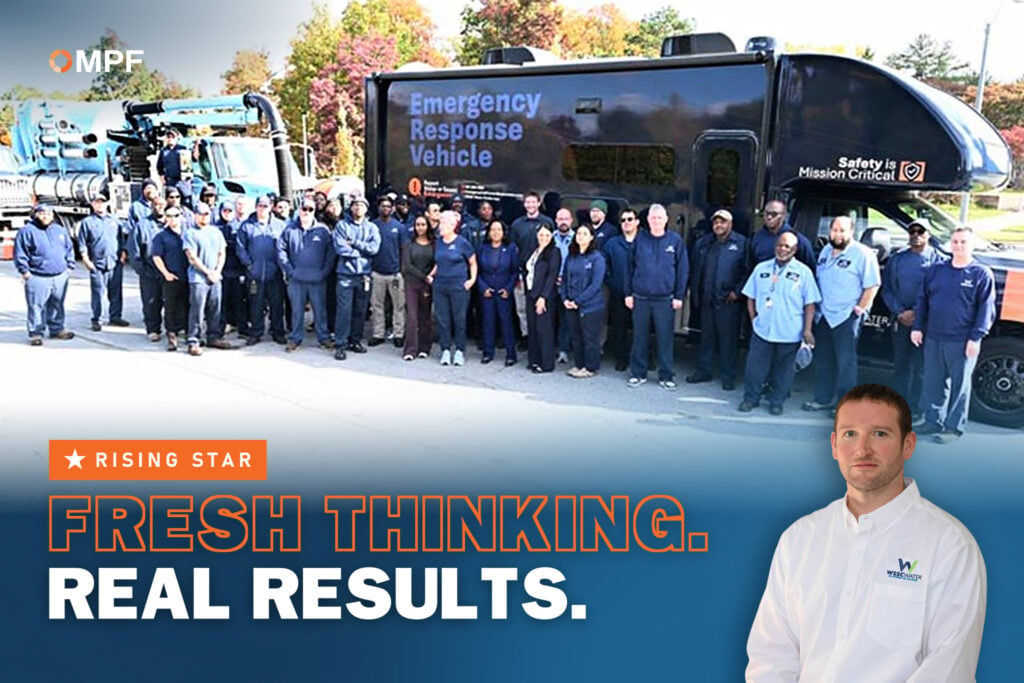
Micah Kagan wasn’t planning on a career in public fleet management. He had his sights set on becoming a federal investigator, specifically an agent with the Bureau of Alcohol, Tobacco, Firearms and Explosives (ATF).
After graduating from the University of Maryland, College Park, with a criminal justice degree in 2008, Kagan found himself looking for work during a particularly tough economy. He had been on waiting lists for positions with Customs and Border Protection and Metro Transit Police, but neither opportunity had materialized.
Fortunately, he knew how to fix cars. Kagan had started working part time at a small independent repair shop when he was just 13, continuing through high school and college. By the time he graduated, he’d become a capable flat-rate mechanic, and that work was paying the bills.
When the shop lost a major customer contract shortly after Kagan returned from his honeymoon, he began looking for something more stable. He had two applications pending with WSSC Water, the utility serving the Washington, D.C., metropolitan area. One was for a police officer. The other was for a fleet technician.
Guess which one came through?
Fifteen years later, Kagan is fleet operations manager at WSSC Water, overseeing an operation responsible for approximately 1,600 vehicles and pieces of equipment. Since taking the position in March 2023, he’s helped guide a major fleet replacement effort and brought measurable improvements to maintenance operations.
His work has also attracted national attention. WSSC Water ranked No. 21 in NAFA’s 2026 100 Best Fleets program, and Kagan was named one of five finalists for the association’s Fleet Professional of the Year award.
For an industry that spends considerable time discussing how to attract younger professionals, Kagan offers an encouraging example of what happens when someone discovers the possibilities in public fleet and decides to make the most of them.
Michael Brennan, a longtime fleet industry leader who has gotten to know Kagan through the 100 Best Fleets program, believes he’s someone worth watching. “He’s got great initiative. He’s really got great perseverance,” Brennan said. But the quality he finds most impressive is Kagan’s concern for the people his fleet serves. “He’s someone who genuinely cares.”
Making His Own Opportunities
Kagan was 24 when he joined WSSC Water, younger than most of his colleagues but already experienced in automotive repair. He quickly realized there was much more to learn if he wanted to advance beyond the technician position. Rather than wait for a promotion to become available, he developed a five-year plan to prepare himself for management.
He earned ASE Master Automobile Technician certification, advanced-level specialist credentials and several heavy truck certifications, along with Maryland Master Emissions Technician certification. After two years, he transferred to the heavy equipment shop to broaden his experience. He also began learning the parts and administrative sides of the operation, including invoice processing and accounting procedures.
A supervisor who strongly supported employee development encouraged Kagan to take advantage of WSSC Water’s leadership training programs. He enrolled in as many courses as he could and became active in his local union, eventually serving as recording secretary.
About a decade ago, he earned his first promotion to garage supervisor. Kagan continued volunteering for special projects that exposed him to responsibilities beyond the shop floor. He served as a subject matter expert during a fleet management software initiative, gaining experience with the complexities of selecting technology for a large organization.
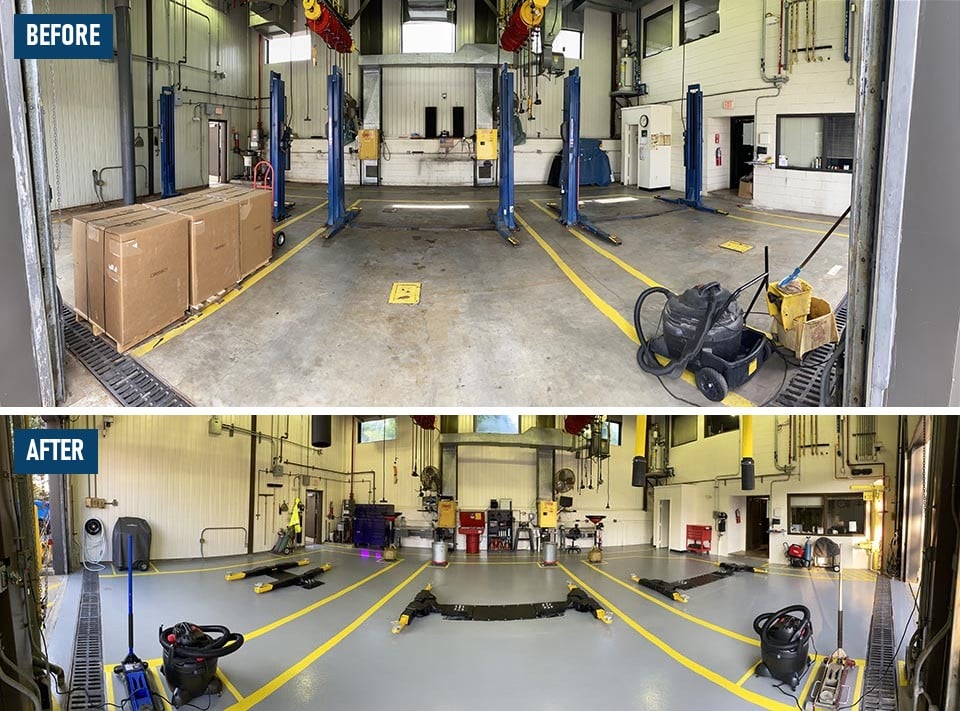
Later, when funding became available to renovate the garage he supervised, Kagan took on project management responsibilities despite having little formal experience. Working with his team, he developed a design based on 5S and Six Sigma principles. The finished garage impressed WSSC Water’s leadership and helped position him for the next step in his career.
Kagan didn’t know when the fleet operations manager position would become available. By the time it did, he’d spent years building the qualifications and experience to compete for it.
Proving He Was Ready
When Kagan interviewed for the fleet operations manager position in 2023, he arrived with a PowerPoint presentation and binders for the interview panel. He had spent approximately 12 years learning the organization from the inside and wanted to show what he’d accomplished, along with what he believed he could contribute in a larger role.
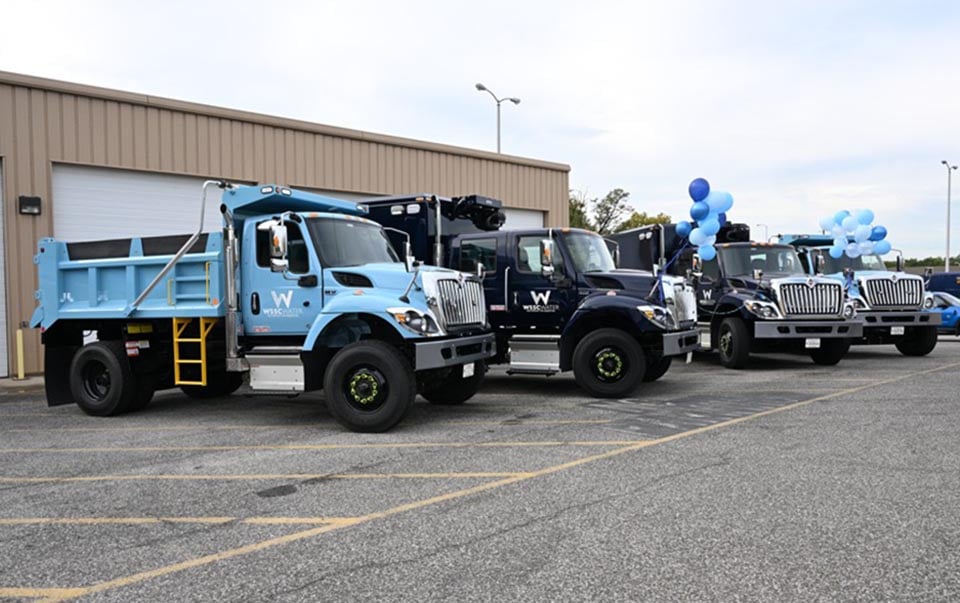
Among his priorities was addressing a substantial vehicle replacement backlog. More than half of WSSC Water’s approximately 1,600 assets were overdue for replacement. After earning the position, Kagan developed a five-year replacement plan, established purchasing contracts and worked with departments to update vehicle specifications. Procurement complications added to the workload, including a nearly $4 million light-duty vehicle order that had to be placed again through different dealerships when the original vendor couldn’t fulfill it.
Kagan worked with Ford’s government representative and local dealerships to secure the vehicles within the intended fiscal year. Since taking the position, he has ordered more than 500 vehicles and approximately 100 pieces of construction equipment. Nearly 400 vehicles and all but about six pieces of equipment have entered service.
Lisa Cooper, WSSC Water’s fleet services division manager, sees Kagan’s work on the replacement program as a particularly strong example of his dedication and expertise. “He developed the footprint for the next five years,” she said. “He thinks and plans for the future he sees what our Fleet can be and is working to get us there.”
For Cooper, that forward-looking approach is one of Kagan’s greatest strengths. “His greatest quality is that he cares about making our Fleet one of the best in the business and he is willing to put in the work.”
For WSSC Water employees, those replacements make a tangible difference. “Vehicles are many of our employee’s ‘offices,’” Kagan said. He understands the importance of reliable equipment because he spent years maintaining it. Now he’s responsible for making sure the departments relying on that equipment have what they need to serve the community.
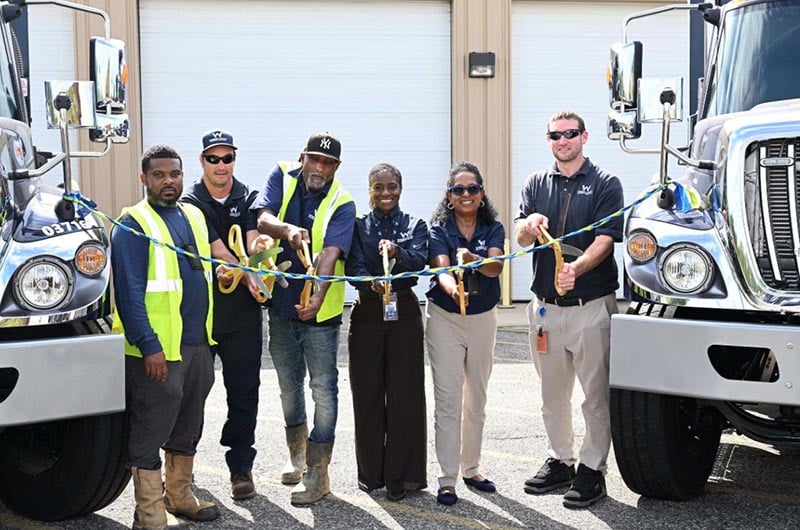
The improvements have extended to maintenance operations. When Kagan became fleet operations manager, WSSC Water had nearly 400 overdue preventive maintenance services across six garages. Drawing on his experience supervising a garage that maintained zero overdue PMs for seven years, he worked with the supervisors to improve coordination and establish consistent expectations.
After two years, the team collectively reached zero overdue PMs, the first documented achievement of that kind during his 15 years with the organization. Kagan has also continued renovating the utility’s maintenance facilities. Four of six garages have been completed, with improvements that include new lifts, updated tools and central air conditioning. Those accomplishments have helped establish his credibility as a leader, but his experience as a technician continues to influence how he approaches the job.
From the Young Guy to the Boss
Kagan describes himself as an introvert who learned a great deal by listening to experienced colleagues. That habit served him well when he was one of the youngest technicians in the shop. It also helped him understand the people he would eventually be responsible for leading.
Advancing into management brought new challenges, particularly when he found himself supervising people who had more years of experience or had once been his supervisors. Kagan understood that a promotion wouldn’t automatically establish his credibility.
Cooper believes Kagan handled that transition by allowing his work to establish his authority. “He took his time and allowed the people he was managing to see that he was there to make a difference and to help them be part of that change,” she said.
She gave him room to establish his own approach while providing a clear vision for what the division could become. As more experienced employees recognized his capabilities, they became increasingly willing to support his direction.
“Ultimately, I’ve established myself as a leader through my credentials, hard work ethic, consistent and fair decision making, and measurable results to top it off,” he said. He also credits WSSC Water’s strategic priorities and core values with helping him stay focused as his responsibilities have grown.
Kagan’s leadership style reflects the supervisors who encouraged his development. He describes himself as a servant leader and places considerable importance on creating a positive work environment. He’s advocated for employees and helped establish lead technician positions, giving technicians another opportunity to advance without necessarily moving directly into supervision.
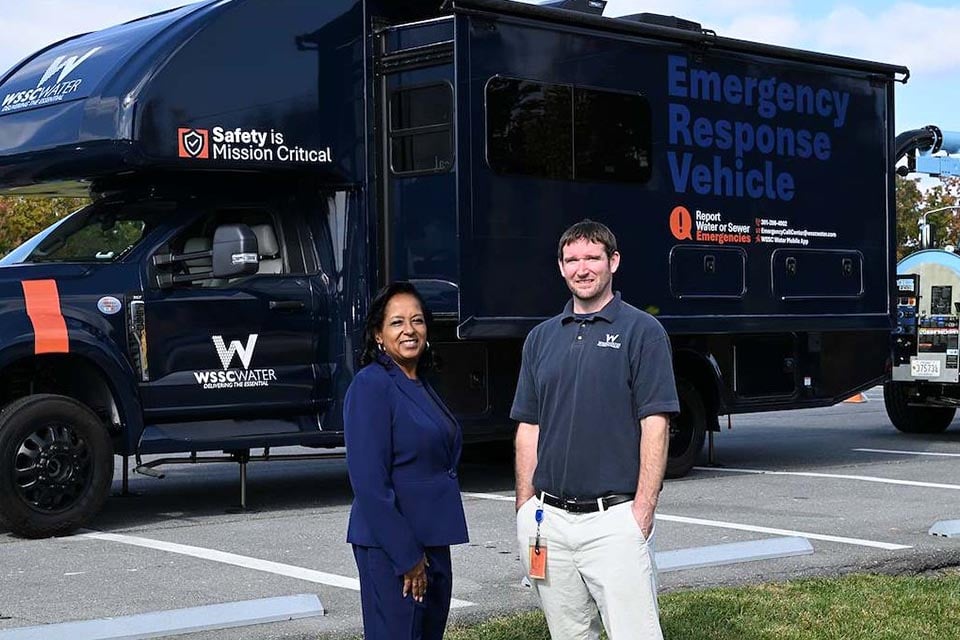
WSSC Water also offers tuition assistance and reimbursement for professional certifications, benefits Kagan actively encourages employees to use. Having taken advantage of those opportunities himself, he understands what they can mean to someone who’s trying to build a career.
A Little Help From the Fleet Community
Kagan’s development has also benefited from relationships outside WSSC Water. Before applying for his current position, he enrolled in NAFA’s Certified Automotive Fleet Manager (CAFM) program. After his promotion, he attended his first NAFA Institute & Expo and began learning more about the 100 Best Fleets program.
He decided to enter WSSC Water in the competition, viewing it as an opportunity to compare the utility’s operation with other successful fleets. Through the program, he met Brennan and Scott Ruud, who shared ideas he could apply at WSSC Water.
Brennan has watched Kagan’s progress over the past several years, including his participation in industry webinars and regional events. He sees Kagan as an example of the talent already emerging in public fleet, and believes the industry needs more professionals with his initiative and commitment.
Brennan also makes an important distinction about developing future leaders. Organizations have a responsibility to provide training and a career path, but employees have to take ownership of their development.
“They have to use it. They have to share it,” he said of the knowledge employees gain through training. Too often, Brennan believes, organizations provide training without creating enough opportunities for employees to put that knowledge into practice.
Kagan’s career illustrates what can happen when those opportunities are available and an employee is willing to pursue them. “He’s one of the guys that I wish there were two or 300 more like him coming up all around the country,” Brennan said.
What the Next Generation Needs
Kagan is now in an interesting position. After years of being one of the younger employees in fleet operations, he’s part of the generation taking on leadership responsibilities. He remembers what it was like to be ambitious and still have plenty to prove. That perspective shapes his advice to both younger professionals and the people responsible for developing them.
He encourages aspiring fleet professionals to take advantage of every learning opportunity, even when the connection to a future promotion isn’t immediately obvious. That might mean pursuing a certification, volunteering for a project or spending time learning how another department operates.
Networking matters, too, even for someone who describes himself as an introvert. “You might not be the best tool in the box for the job, but showing up, working hard, volunteering for as many opportunities as you can and becoming a subject matter expert will get you there,” Kagan said.
His advice for managers is just as practical. Young employees need to know their interests and ambitions are taken seriously. A supervisor who encourages someone to pursue additional training or gives them responsibility for a new project may be helping prepare that employee for a future leadership role. “Managers must remember that they have a serious influence on team members’ attitudes and their career development,” Kagan said.
He prefers to look for opportunities to say yes when employees want to learn something new. For an industry concerned about attracting and retaining younger talent, those opportunities matter. So does making sure employees know they exist.
Cooper shares that philosophy and believes managers must be willing to let younger employees test their abilities. “I like to give younger talent room to grow,” she said. “Give them tasks that they aren’t sure they are ready for and then watch them surprise themselves when they knock it out the park.”
She also emphasizes treating mistakes as learning opportunities, giving employees the support to make corrections while building their confidence and accountability. For Cooper, that freedom is essential to developing capable leaders. “As a manager, there is nothing more rewarding than having someone on your team who understands your vision and knows how to help bring it to life,” she said.
A Career Worth Choosing
Kagan still finds it somewhat amusing that he ended up in public fleet management almost by accident. He went to college intending to pursue criminal justice, spent years repairing cars to support himself and eventually accepted the fleet technician position that became available at WSSC Water.
What began as a practical employment decision has become a career he values for reasons that go well beyond job security. WSSC Water provides an essential service to communities throughout the Washington, D.C., metropolitan area. Kagan takes satisfaction in knowing his work helps the employees who deliver that service.
“Knowing where I fit into the big picture with how our organization functions, as well as our role in our community in the DC Metro Area honestly keeps me grounded and motivated to be the best public servant I can be,” he said.
The fleet industry has plenty of reasons to be concerned about its next generation of leaders. But professionals like Kagan are already showing what that future can look like. Sometimes the next great fleet leader is already working in the shop. The opportunity is helping that person see how far they could go.