Less Than 40% of EV School Buses Bought With EPA Grants Have Been Delivered
A New York Post investigation finds most electric school buses funded under Biden-era EPA awards remain undelivered years later
Source: New York Post ↗
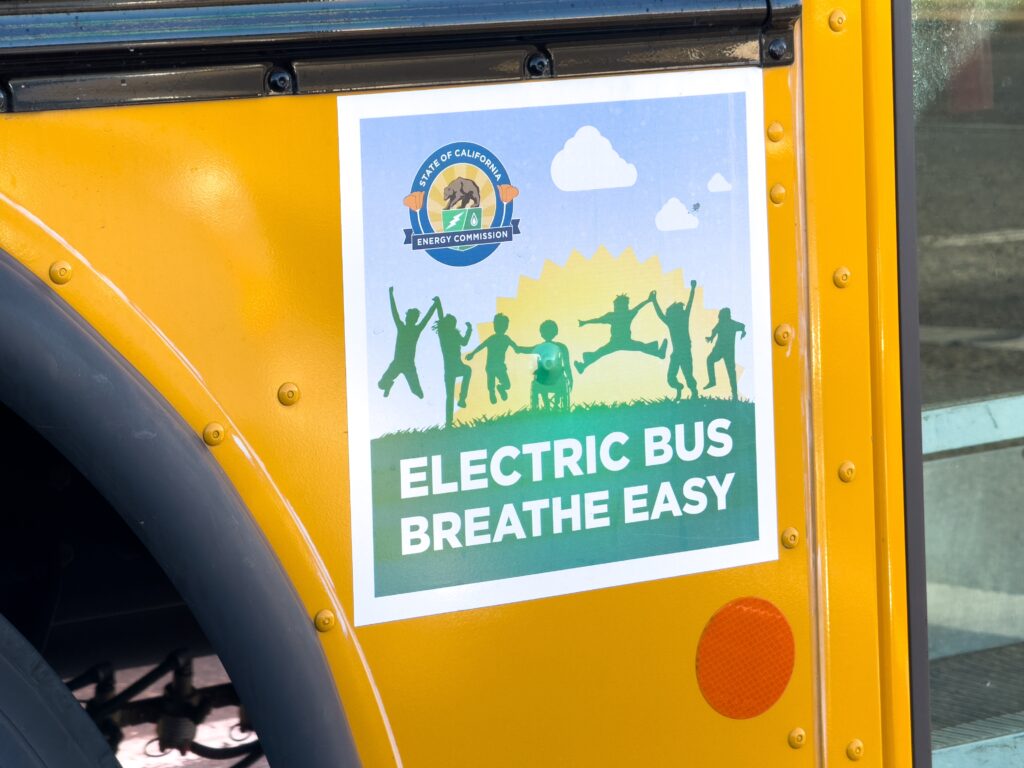
Fewer than 40% of the electric school buses purchased through the Environmental Protection Agency’s Clean School Bus Program have been delivered, according to statistics the EPA released, with roughly 46,000 children expected to go without new buses this year because of vendor failures and schedule slippage.
Of 2,600 buses ordered under the program, approximately 1,100 have been delivered, 854 are behind schedule and 140 will never be delivered, per the EPA’s count. Of the 2,600 orders, only 60 were for propane buses; the EPA said almost all of those propane units have reached their districts. The agency put the average cost per bus purchased through the program at more than $1 million, compared with less than $200,000 for a new diesel or propane bus and roughly $300,000 to $400,000 for a standard electric school bus on the open market.
Program guidelines required that 50% of funding go to electric buses and the other half to other clean-fuel options, including compressed natural gas (CNG), liquefied natural gas (LNG), hydrogen, biofuel and propane.
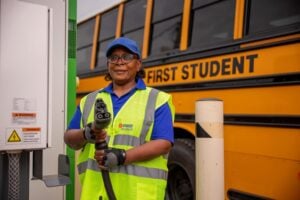
The EPA has identified performance problems with three of the program’s largest grantees. Lion Electric received $160 million in program funds and went bankrupt in 2024. Highland Electric received more than $150 million but has faced what the EPA characterized as “significant management issues,” including not having contracts with school districts and lacking proper oversight of the money. First Student secured $401 million in Clean School Bus funding and is behind schedule on two-thirds of the electric buses it was supposed to deliver to 37 school districts.
A Highland Electric spokesperson said the company and its partners have delivered “almost 500 electric school buses” funded through the Clean School Bus Program, with about 300 more in manufacture for delivery in coming months, according to the New York Post. The spokesperson said Highland is “in compliance with program rules” and “communicates daily with the EPA regarding our Clean School Bus projects,” Highland’s chief executive and founder, Duncan McIntyre, said the company is focused on “giving American children a healthier way to get to school.” and described the work as “long-term partnerships with school districts across America,” McIntyre cited research indicating that replacing five diesel school buses with electric buses reduces pediatric asthma risk for approximately 1,500 students.
Districts that have received buses have reported mechanical failures, recalls, clearance conflicts with low overpasses and range falling short of advertised figures. About 33% of participating school districts have withdrawn from the program, citing cost overruns, delays and safety concerns. New York’s Gouverneur Central School District spent approximately $1 million to electrify two of its 28 buses, with the state covering most of that cost.
The $5 billion program has disbursed roughly $2.7 billion in federal funds, with 90% of spending directed to electric buses rather than the fuel-diverse mix Congress authorized.
The EPA has frozen all outgoing program funds and is currently collecting feedback from fleet operators, manufacturers, school officials and energy producers covering a range of fuel options. The agency plans to issue a new Notice of Funding Opportunity in November for the next round of Clean School Bus grants, with the revised program expected to give greater consideration to CNG, LNG, biofuel and hydrogen alongside electric options.