Placer County Water Agency Board Asks State to Change Fleet EV Rules, Citing Cost of Replacing 71 Vehicles
The board said replacing 71 vehicles under California's Advanced Clean Fleets rules would cost tens of millions of dollars without state funding.
Source: Placer County Water Agency ↗
The Placer County Water Agency board reviewed California’s Advanced Clean Fleets requirements at its Oct. 15 meeting and directed staff to pursue changes to the regulations, according to an Oct. 30 agency release. The release says the rules mandate that the agency replace gas- and diesel-powered vehicles with zero- or near-zero-emission alternatives, at a cost that would fall on ratepayers.
The agency has 71 vehicles across its water and hydroelectric operations that would be affected. One replacement strategy totals about $4.8 million through 2029, not counting chargers and electrical upgrades. Without state funding, the release says the full cost would reach “tens of millions of dollars,” mostly in the Water System.
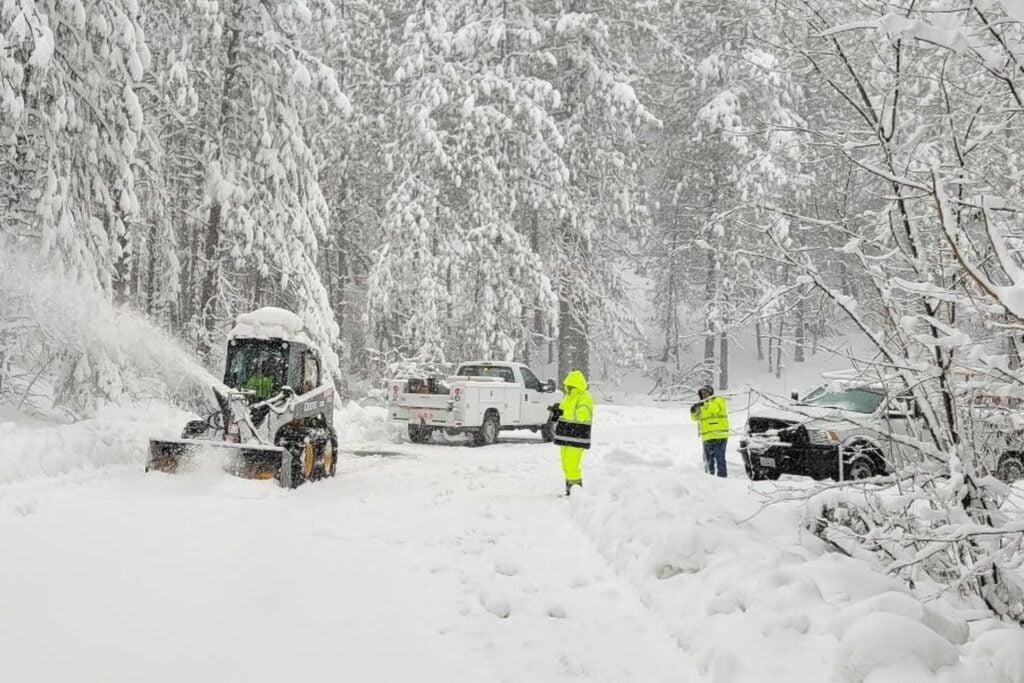
The board’s concerns were range, charging time, mountainous terrain, extended workdays, emergencies and crew safety in severe weather. “Our customers count on us to deliver reliable water service, and our crews need the right equipment to make that happen safely,” Board Chair Joshua Alpine said in the release. “It is unthinkable that the state would impose this on local governments without consideration of safety and affordability, and without a proven supply chain of compliant vehicles.”
What the State Rule Requires
The California Air Resources Board’s amendments to the Advanced Clean Fleets and Low Carbon Fuel Standard regulations were filed with the Secretary of State on Sept. 10, 2026, according to CARB’s rulemaking docket. For state and local government fleets, the amended rule requires that half of each year’s purchases of vehicles over 8,500 pounds gross vehicle weight be zero-emission starting Sept. 10, 2026, and all purchases starting Jan. 1, 2030. The earlier text set the 100% requirement for 2027. The requirement applies when an agency replaces a vehicle, not as a forced retirement, and agencies can instead use the ZEV Milestones Option until Jan. 1, 2030.
The rule exempts backup vehicles driven under 1,000 miles a year and lets agencies apply for daily-usage and ZEV-purchase exemptions, including a list of configurations that covers bucket, boom, dump, flatbed, service-body, tank, water and vacuum trucks and Class 2b and 3 pickups. It also allows delays where charging infrastructure is not ready. Emergency vehicles and dedicated snow removal vehicles are excluded. Water agencies are covered; the rule has no blanket exemption for them. The agency’s release does not say which exemptions it has used or expects to qualify for.
Staff will pursue “regulatory and legislative relief,” including outreach to the Governor’s Office and state lawmakers, for “more practical and cost-effective requirements for public utilities,” the release says.