Ford Moves Fathom’s Bidirectional Inverter Into the Truck and Takes On the Utility Hookup
More than a projected 10 kW of AC power with no wall inverter, cheaper hardware and five utilities working on interconnection. Ford has only described home use so far.
 1 / 5
Source: Ford Motor Company ↗
Ford has published the engineering behind the bidirectional power on the Fathom, the $28,350 electric truck due in 2027. The inverter that turns the battery’s DC into usable AC now lives inside the truck, which is what Ford says makes the feature affordable, and the company has started working with utilities on the interconnection rules that govern feeding power back to the grid.
The inverter is in the truck
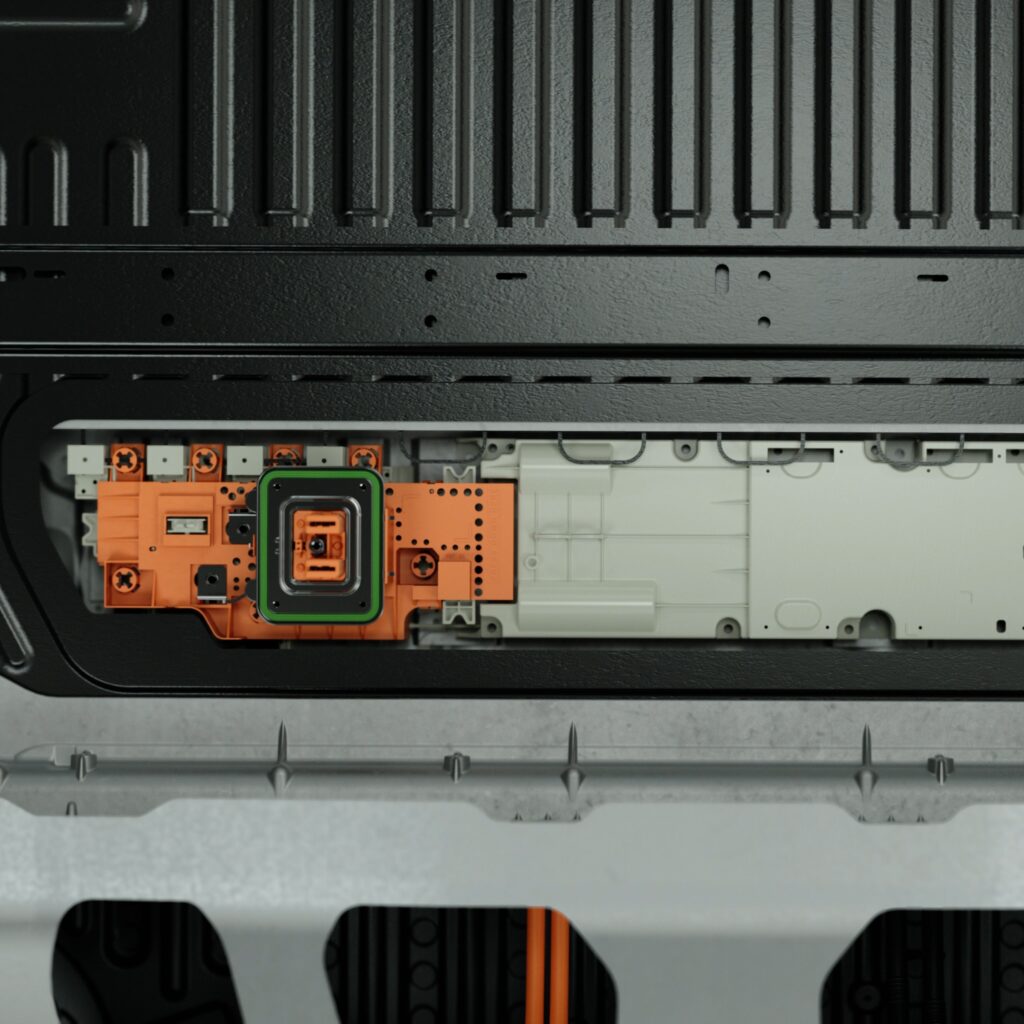
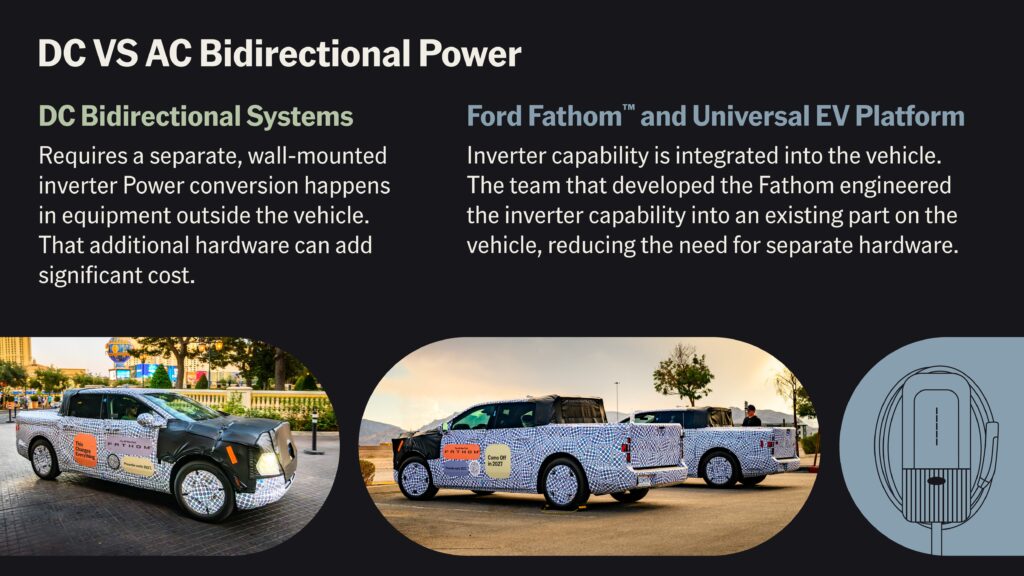
Converting a battery’s DC into the AC a building uses has meant a separate wall-mounted inverter, and that hardware is why bidirectional power stayed on premium vehicles. Ford bought the startup Auto Motive Power in 2023 and redesigned the system from a clean sheet for its Universal EV Platform. The inverter now sits in the E-box, one of the Fathom’s five main modules, and fewer parts each do more than one job.
The result is a truck priced under $30,000 that can supply more than a projected 10 kW of AC power to a home with no separate inverter on the wall, the first from a U.S. automaker to do so, according to Ford. The system is designed to meet UL 1741 requirements and IEEE 1547 interconnection standards, and it communicates over SAE J3068 with LIN-CP, a standard developed at the University of Delaware that also helps lower the cost of the charger.
Two modes, two pieces of hardware
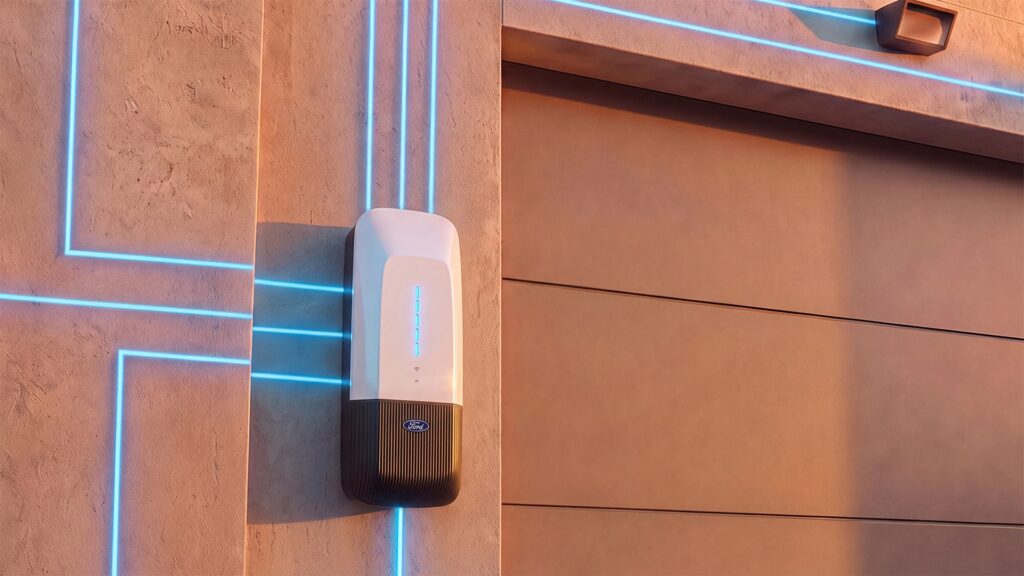
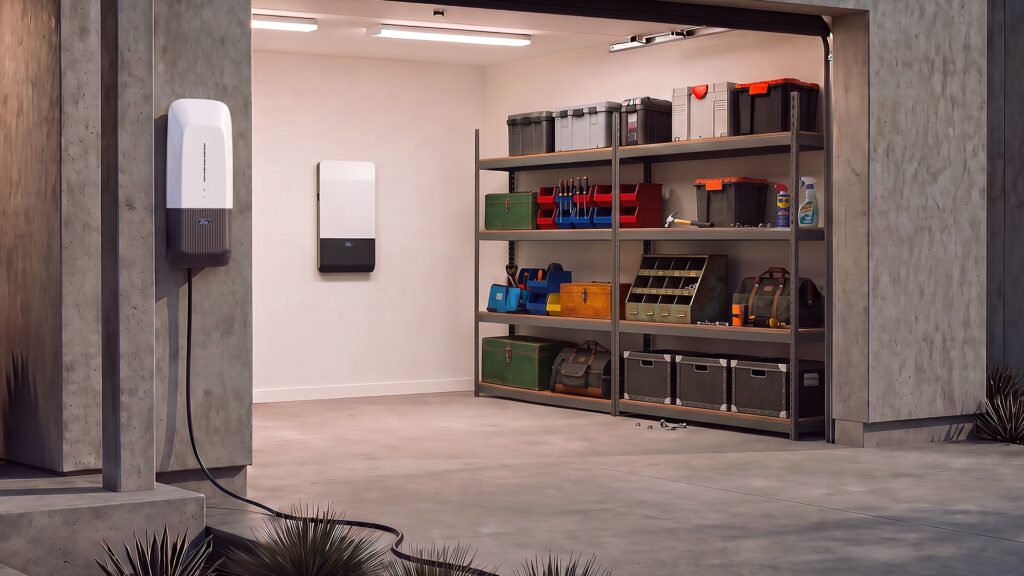
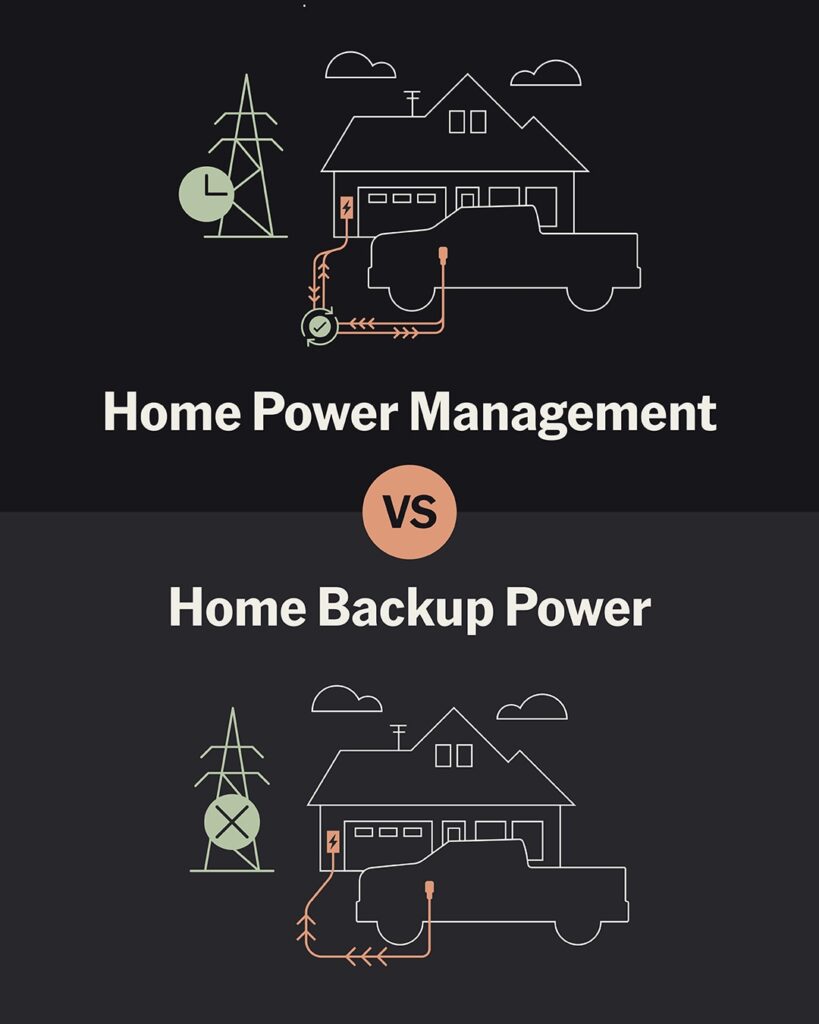
Home Power Management charges the battery when electricity is cheap and runs the house on it when rates are high, which may lower the monthly bill. It needs one piece of hardware, the Ford Home Power Station, expected to cost about half as much as Ford’s first bidirectional charger, plus utility approval and an active Ford plan or trial.
Home Backup Power takes over when the grid goes down, a clean, quiet alternative to a natural gas or diesel generator. It needs the Home Power Station and a Home Backup Power Panel, expected to cost at least 60% less than Ford’s earlier backup hardware, and it may require utility notice or approval. Ford’s example of what it keeps running is a house’s essentials: lights, the refrigerator, Wi-Fi.
Still missing are dollar prices for the hardware, an EPA range estimate and anything about commercial use. The $28,350 price is for the standard-range battery and excludes $1,595 for destination and delivery. Preorders open in early 2027.
The hookup problem
A vehicle that feeds power back in parallel with the grid needs an interconnection agreement, and there are more than 3,000 utilities in the U.S. and Canada, most with their own process. Those processes were written for rooftop solar and stationary batteries, not for something that drives away.
In July 2026 Ford formed a working group with American Electric Power, BC Hydro, Consumers Energy, Exelon and Pacific Gas and Electric Co. to settle a process that can scale before the Fathom ships. The group agreed on three principles. Interconnection should not be required for a customer who only charges the vehicle or uses it for isolated backup, only for operating in parallel with the grid. Procedures and regulations should be updated for current bidirectional standards, DC and AC alike. And utilities, regulators and automakers should make the changes together. Ford is asking other utilities and regulators to get in touch at vhome@ford.com.
Where a public fleet could use this
Ford has described a consumer product vs. fleet utilization, so these are possibilities to put to Ford, not features it has announced.
- Backup for small sites. A truck that can carry a load about the size of a house could keep a remote outbuilding, a small field office or a temporary command post running through an outage, and under the working group’s first principle that kind of isolated backup would not need an interconnection agreement.
- Storm response. The same capacity could power lights, tools, radios and refrigeration at a staging area without fuel deliveries or generator noise.
- Rate savings at the yard. Home Power Management is a time-of-use play. A fleet that parks overnight on a time-of-use tariff has the same opportunity if Ford’s plan and the utility allow commercial accounts.
- Take-home vehicles. Staff who take a truck home could use both home modes exactly as designed, which raises the policy question of who pays for the electricity and who gets the savings.
Some of the unanswered practical questions are whether the home hardware can go on a commercial electrical service, whether Ford Pro will sell and support it, what the warranty says about discharging the battery every day and what the utilities decide.