Traits of a Top Technician: Lessons From NAFA’s 2026 Fleet Tech of the Year
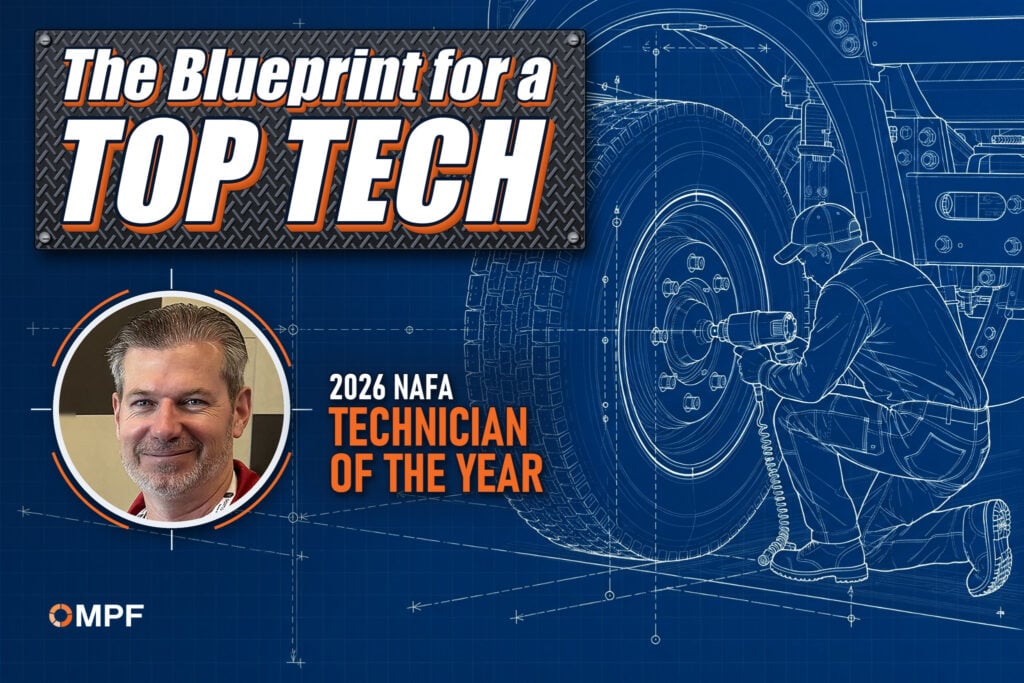
NAFA’s 2026 Fleet Technician of the Year, Jerry Dake of Buckeye, Ariz., has built a reputation for taking initiative, tackling unusual repairs and helping his coworkers succeed. His approach offers useful lessons for technicians looking to advance and fleet managers hoping to develop more employees like him.
When Jerry Dake runs out of assigned work, he doesn’t necessarily head for the break room. He might head for the equipment lot instead, looking for something that needs attention. Sometimes he’ll travel to another city location to check on vehicles or equipment that could use servicing.
It’s the kind of initiative that makes a fleet superintendent’s job a little easier. “You will never find him sitting idle or waiting for someone to assign him a task,” said Filiberto Chavira, fleet superintendent for the City of Buckeye, Arizona.
Chavira describes Dake as a technician who can organize his own workload and get things moving with very little direction. Given the variety of equipment Buckeye maintains, that’s no small advantage.
Dake might spend one day working on a fire truck and the next troubleshooting a street sweeper. His responsibilities also extend to police cruisers, loaders, graders and other heavy equipment. Among the more unusual vehicles he’s maintained are armored military surplus vehicles used by the city’s Police Department.
That versatility and willingness to take responsibility beyond his assigned work have earned Dake recognition as the 2026 NAFA Fleet Technician of the Year. His story raises an interesting question for an industry facing a persistent shortage of skilled technicians: What makes someone like Dake stand out, and how do you find more people with those qualities?
A Military Background Comes in Handy
Dake credits his military career with bringing him into the maintenance profession. It also gave him experience that proved especially valuable in Buckeye.
The city has acquired several unusual vehicles through military surplus, including a Mine-Resistant Ambush Protected vehicle (MRAP), a Cougar and other armored vehicles. Keeping those units operational presents challenges that don’t typically come up in a municipal maintenance shop.
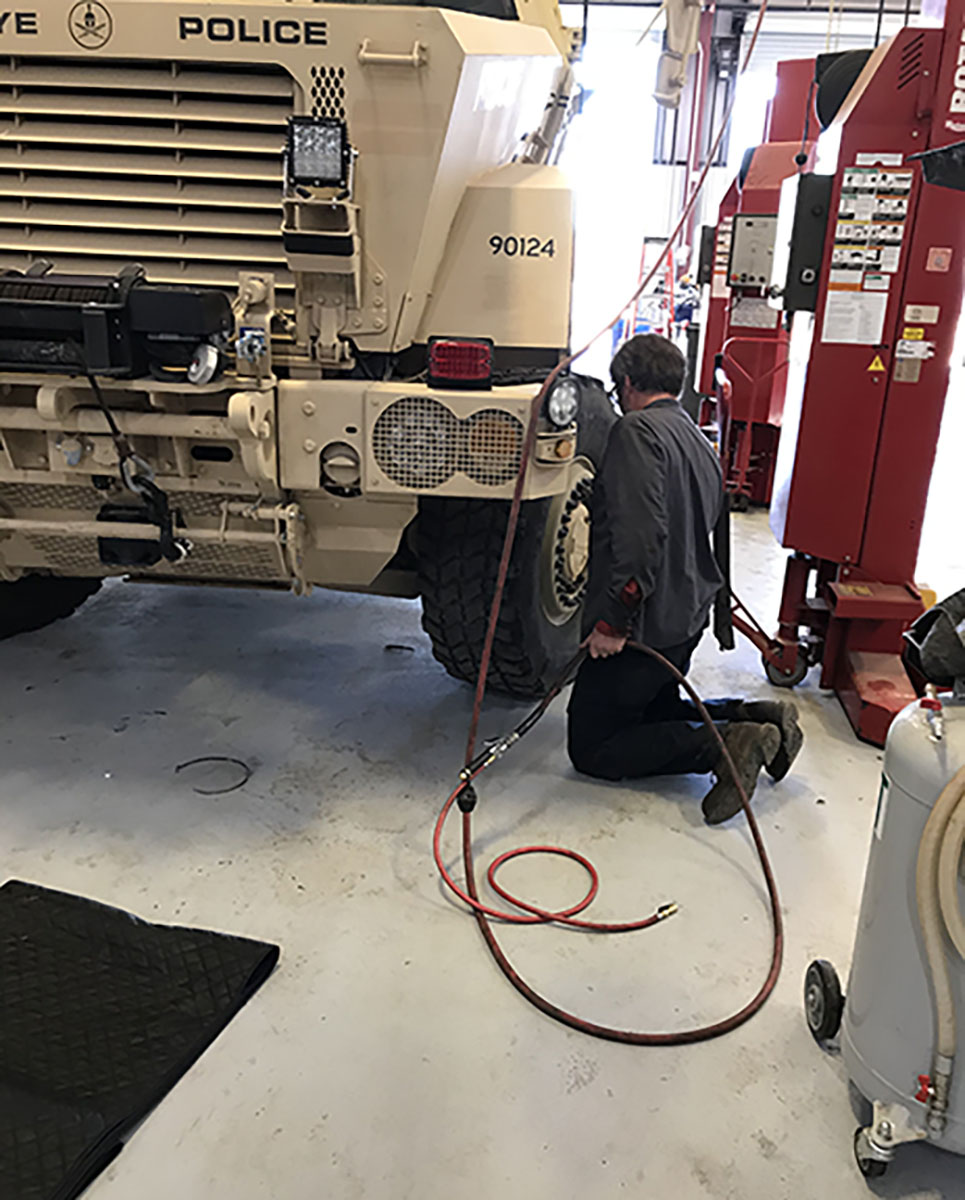
Take replacing a window, for example. Fleet Operations Manager Beth Casillas recalls Dake replacing bullet-resistant windows on the city’s military vehicles. It’s considerably more complicated than calling the local auto glass company to replace a windshield. His familiarity with military equipment has helped the city maintain these specialized vehicles with minimal downtime while saving money on outside services.
“Jerry is an absolute asset to our team,” Casillas said. She points to his broad technical knowledge and willingness to help with unfamiliar projects as qualities that make him particularly valuable.
There’s a recruiting lesson here. Military veterans and technicians from other equipment-intensive industries may bring experience that doesn’t fit neatly into a conventional automotive job description. Someone accustomed to maintaining specialized machinery may be particularly well prepared to tackle the varied equipment found in a public fleet.
The Technician Who Takes Ownership
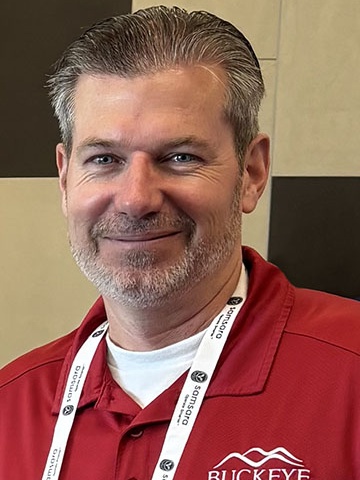
Dake uses telematics data, preventive maintenance listings and customer emails to identify needed repairs and generate work orders. From there, he manages his schedule and gets to work. “I expect maximum effort of myself at work,” Dake said. “Always looking to improve time and efficiency on work orders.”
He also emphasizes the importance of quality repairs and customer feedback. For him, the satisfaction of solving a difficult problem includes knowing the equipment is back in service and meeting the needs of the department that depends on it.
That mindset can be easy to overlook when shop productivity is measured primarily through completed work orders and labor hours. Those metrics provide useful information, but they don’t always capture the contribution of a technician who independently identifies maintenance needs or helps prevent a vehicle from becoming an emergency repair.
Dake’s approach also illustrates the value of giving capable employees enough independence to manage their work. Chavira doesn’t need to keep him busy because Dake already understands what needs to be accomplished.
That kind of ownership is worth looking for during hiring. Asking candidates about a time they identified a problem before anyone assigned it to them may reveal more about their work habits than another question about their technical qualifications.
Still Interested in Learning
After years in the profession, Dake says the ongoing evolution of equipment and technology is one of the things that maintains his interest. “The constant changing of systems and technology keeps me engaged and motivated,” he said.
Casillas says Dake is enthusiastic about learning new equipment and taking advantage of training opportunities, including those involving street sweepers and fire apparatus. That willingness to adapt is particularly valuable in public fleet operations, where technicians may move between equipment categories requiring very different knowledge and repair procedures.
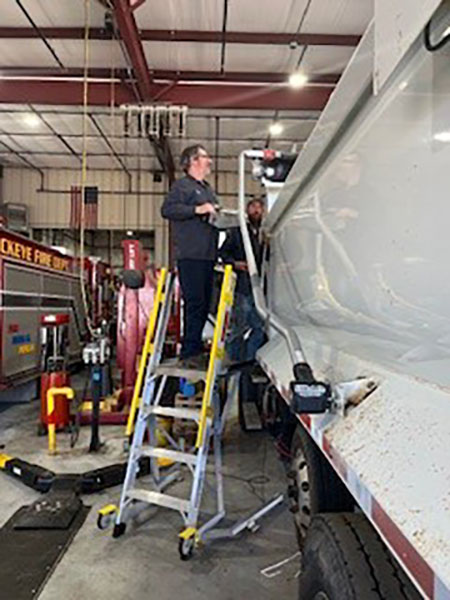
Dake’s advice to younger technicians reflects that reality: “It’s a process that takes time and won’t happen overnight.” He encourages them to expect change while maintaining a positive attitude and a willingness to listen and learn.
Dake also believes fleet organizations have a responsibility to support that development. He recommends manufacturer training based on individual technician needs, along with encouragement and support for Automotive Service Excellence (ASE) testing and certifications. For shops concerned about retaining skilled employees, those opportunities can offer something beyond the next paycheck: the chance to become better at work they already enjoy.
The Value of a Technician Who Helps Others
Ask Buckeye’s fleet leadership what makes Dake exceptional, and his willingness to help coworkers comes up repeatedly. Casillas says he’s quick to lend a hand, whether a new employee needs assistance or a more experienced technician is tackling a complicated project. That makes a difference in a profession where so much technical knowledge is gained through experience.
A technician who can diagnose an unusual problem is valuable. One who’s willing to explain the repair to a coworker can help the shop become more capable the next time a similar problem appears.
Dake appreciates that kind of collaboration himself. “Teamwork and information sharing is vital to our maintenance operation,” he said. Fleet operations can encourage that exchange by recognizing employees who help coworkers solve difficult problems and making room for collaboration when assigning work.
The benefits may be harder to measure than completed repairs, but they become apparent when more technicians are comfortable handling unfamiliar equipment without immediately turning to the shop’s most experienced mechanic.
What Keeps a Good Technician Around?
Buckeye is a growing community, and Dake says he’s fortunate to be part of its future. He also appreciates that the city encourages employees to pursue opportunities for career advancement, including technical and supervisory training. That’s significant for technicians who want to build a long-term career without necessarily following the same path.
Some may be interested in supervising a shop. Others prefer the technical challenges that come with maintaining increasingly complex equipment. Providing room for both kinds of development can help fleet operations retain employees whose interests and ambitions differ.
Buckeye’s leadership also recognizes the value of allowing experienced technicians to take responsibility. Dake’s independence is something Chavira praises, while Casillas appreciates his willingness to apply his knowledge wherever it’s needed.
A technician who takes initiative needs enough freedom to exercise it. Someone who enjoys learning needs access to training. Employees who help others should know their contributions are appreciated. Those conditions won’t guarantee that every hire becomes an award-winning technician, but they can make a shop a more appealing place for motivated people to build their careers.
The Qualities Behind the Recognition
When asked what motivates him, Dake comes back to the satisfaction of solving difficult problems, improving his efficiency and providing good service to the departments that rely on Buckeye’s equipment. His supervisors see the results of that approach, from the specialized military vehicles he helps maintain to the assistance he provides coworkers.
His Fleet Technician of the Year recognition acknowledges those contributions, but Dake’s experience also offers a useful example for the broader public fleet profession. Technical expertise is only part of what makes an exceptional technician. Taking ownership of the work and remaining open to new challenges can make someone especially valuable to an operation.
Just as important is having an employer that recognizes those qualities and provides opportunities to develop them. Finding another Jerry Dake may not be easy. But recognizing what makes him valuable and creating an environment where those qualities can develop is a good place to start.