Data, Dollars and Buy-In: How Ross Jackson Got Fayetteville’s Fleet Back on Track
In his first interview since leaving Fayetteville for RTA, Ross Jackson explains how he steadied a fleet that had gone nearly a year without a manager, starting with the people in the shop and the work in front of them every day.

When Ross Jackson arrived at the City of Fayetteville, Arkansas, in December 2022, the fleet division had been without a manager for nearly a year. Technician positions were vacant, the department wasn’t getting everything it could from its fleet management software and the vehicle replacement schedule had fallen behind.
Jackson had inherited an operation that needed attention on several fronts, but he knew better than to tackle everything at once. He started with the people and the work happening in the shop every day.
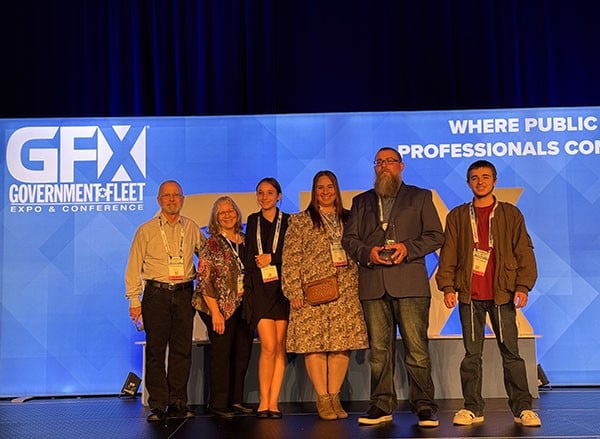
Nearly four years later, Jackson was named the 2026 Public Sector Fleet Manager of the Year by Government Fleet magazine. The recognition reflected substantial improvements in Fayetteville’s fleet operation, but Jackson was quick to share the credit. “The only way I got the award is because we have a fantastic team,” he said.
The changes that helped Fayetteville improve weren’t all expensive or complicated. Some were as simple as putting a green tag on a vehicle’s rearview mirror. Others required Jackson to reconsider how he made decisions or approached difficult conversations.
Together, they offer a useful look at the work behind a successful fleet operation and the management habits that help improvements last.
Start With What Your Team Can Handle
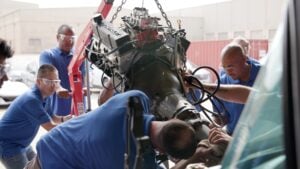
Jackson’s first priority was addressing staffing shortages. Several technician positions were unfilled, and some employees lacked the experience needed to handle more complex repairs. He drew on relationships he’d established during his previous position at the University of Arkansas, recruiting former colleagues to join him in Fayetteville. His connection with Northwest Technical Institute also helped him find technicians with formal automotive training.
With staffing moving in the right direction, Jackson turned his attention to the department’s use of fleet management software. The system was already in place, but employees weren’t consistently entering the information needed to make it useful. Jackson didn’t begin by introducing a complicated set of new procedures. He focused on accurate labor time entries and helped employees understand why the information mattered.
From there, the team improved work order documentation. Technicians were expected to record how they verified a problem and isolated its cause, followed by the repair and a final check. The additional detail helped technicians who were picking up unfinished work and made it easier to determine whether a vehicle was ready to return to service.
“Data is critical,” Jackson said. “In order to make a good, informed decision, you have to have good data.” The lesson for fleet managers facing a long list of needed improvements is to be realistic about how much change employees can absorb. A new process won’t accomplish much if the team doesn’t understand it or can’t consistently follow it. Jackson found that manageable improvements gave employees a chance to see the benefits before he introduced additional expectations.
Sometimes the Simplest Fix Is the Best One
One of Jackson’s changes involved a simple green mirror hanger, an idea he picked up from Sam Lamerato, CPFP, and the late John S. Hunt during a training session at an Arkansas fleet gathering in Fayetteville. Jackson made a point of putting what he learned from other fleet professionals into practice, and this was one idea of many that he was determined to bring back to his shop.
When technicians completed a repair, they placed a green tag on the vehicle identifying the asset and technician, along with relevant service information. An operator arriving to collect equipment could immediately see that it was ready. “Green means go,” Jackson said. The system was simple, but it eliminated unnecessary uncertainty for employees who depended on fleet equipment to do their jobs.
Jackson also improved communication with the departments that relied most heavily on the shop. At the end of each day, the closing mechanic prepared a report identifying completed repairs and the status of equipment still awaiting service. Department liaisons received the information without having to track down someone in fleet for an update. That was especially important in Fayetteville, where the extended management vacancy had affected communication between fleet and its customers.
Jackson wanted departments to know what was happening with their equipment and feel confident that fleet understood their operational needs. He also made a point of visiting employees where they actually used their vehicles. A conversation with a utility crew, for example, might reveal that a different toolbox configuration would make equipment more useful. Operators could also identify opportunities to add power inverters or make other practical changes to future specifications.
Those conversations helped Jackson make purchasing decisions based on how equipment was being used rather than simply repeating specifications from previous orders. For managers accustomed to spending much of their day handling administrative demands, it’s a reminder that some of the most useful fleet information comes from getting out of the office.
Keep the Customer’s Work in View
When Jackson took over in Fayetteville, the replacement schedule was approximately a year behind. Some vehicles were remaining in service longer than planned, increasing maintenance demands and creating availability concerns for the departments that depended on them.
Jackson began reviewing replacement schedules and priorities, but he knew fleet couldn’t make those decisions in isolation. “Those decisions can’t just be fleet’s; they should include departmental input,” he said. “You need to make sure that you’re considering your customers’ priorities as well.” A vehicle that looks like a logical replacement candidate on paper may not be the department’s most pressing concern. Understanding how equipment supports daily operations can change the order in which replacements need to happen.
Jackson also emphasized the importance of keeping replacement funding aligned with actual costs. Fayetteville used monthly departmental charges to support fleet expenses and future replacements, but the amounts still needed to be reviewed as vehicle prices increased. Falling behind can create problems beyond higher repair bills.
When departments can’t rely on aging equipment, they may request extra vehicles as backups, unnecessarily expanding the fleet without improving efficiency. This is known as “fleet creep.”
“When you present the data and dollars together, it tends to make the conversation much more palatable for the people who need to see it,” he said. For Fayetteville, improving the replacement program meant considering the city’s future needs while addressing the immediate consequences of deferred purchases.
Don’t Expect the Numbers to Do All the Talking
Fleet managers spend considerable time gathering data to support recommendations. Jackson believed in the value of that information, but he also learned its limitations. A utilization report may clearly indicate that a department has more vehicles than it needs. That doesn’t mean the department will welcome a recommendation to reduce its fleet.
“You can show someone all the numbers in the world, but if you haven’t taken the time to understand their concerns or explain the reasoning behind a recommendation, you’re probably not going to get very far,” he said. Jackson approached those discussions by trying to understand what the department needed to accomplish and why its employees might disagree with fleet’s assessment.
Sometimes the disagreement revealed something the data didn’t adequately explain.
Other times, the information was sound, but the people affected needed a better understanding of how the proposed change would work. There were also some significant wins when the data showed that purchasing a single, more versatile asset could meet the needs previously served by two to four vehicles or pieces of equipment, allowing the others to be declared surplus.
Jackson applied the same principle inside the shop. When he asked technicians to document repairs more thoroughly, he explained how the information would help coworkers and improve future decisions. “You can tell people what they need to do, but unless you explain why they need to do it,” he said, “it’s hard to always get buy-in.”
For experienced managers, explaining a decision can feel unnecessary when the reasoning seems obvious. But Jackson recognized that employees and customer departments don’t necessarily have access to the same information or see the problem from the same perspective. Taking the time to explain the reasoning can prevent a technically sound recommendation from becoming an unnecessary argument.
A Good Manager Can Take a Little Criticism
Jackson kept reminders about leadership near his desk, including one that came directly from an employee: “Do not knee-jerk, gather the facts.” The message originated with a staff member who challenged Jackson’s tendency to respond too quickly to certain situations.
Rather than dismiss the criticism, Jackson acknowledged the employee had a point. “You need to be able to take criticism because not everything you do is going to be perfect,” he said.
The reminder encouraged him to gather more information before deciding how to respond.
That might involve hearing a technician’s explanation before drawing conclusions about a repair or talking with an operator to understand why a particular equipment modification was necessary. “Some of the best lessons I’ve learned came from people who challenged my thinking or approached a problem completely differently,” he said.
There’s a practical benefit to that kind of openness. Employees who feel comfortable questioning a decision are more likely to bring problems to a manager’s attention before they become bigger issues. And managers who are willing to reconsider their assumptions have a better chance of identifying solutions they might otherwise overlook. Jackson’s desk reminder became a useful check on his own instincts, even after years of experience in the industry.
Don’t Overlook the People Doing the Work
Jackson’s daily routine included something that wouldn’t appear on a fleet performance dashboard. He made a point of greeting his employees when he arrived at work. “You always need to find a couple minutes each day to have a good conversation, to get on their level, and for them to know that you care about them,” he said. It was a small habit, but one Jackson believed made a difference in how employees viewed their work and their relationship with management.
He also recognized the importance of setting reasonable expectations. A manager can’t expect employees to overcome every staffing shortage or resource limitation through sheer effort. Workloads need to reflect what the department can realistically accomplish.
Jackson believed that respecting those limits helped create an environment where employees could take pride in the quality of their work.
He wanted technicians to recognize the role they played in helping other city employees serve the public. “Fleet is not just fleet,” he said. When a public works crew responds to a water main break, reliable equipment makes that response possible. The same is true for police officers and the vehicles they depend on during an emergency. Fleet employees may rarely interact with the residents who benefit from those services, but their work affects the outcome. Jackson wanted his team to understand that connection.
He also found that stronger relationships with customer departments encouraged better cooperation. When operators trusted fleet to respond to their concerns, they were more willing to work with the shop on maintenance requirements and equipment care.
That mutual respect helped strengthen the department’s culture.
The Real Test Comes When the Manager Leaves
Jackson’s career had already taken him through several different fleet environments before Fayetteville. His interest in automotive work began while helping a friend restore a 1967 Ford Mustang Fastback. He eventually attended trade school and worked at a dealership before entering public fleet management. He spent nearly 15 years with Placer County in California and later worked at the University of Arkansas. Each position exposed him to different approaches to familiar fleet challenges.
Through NAFA and other industry organizations, he also developed relationships with fleet professionals who were willing to share their experiences. “Nobody has a monopoly on good ideas in this industry,” Jackson said. It’s a belief he takes seriously, even if he likes to joke about his Rich Uncle Pennybags tattoo.
Jackson knows that 10 fleet managers might approach the same problem in 10 different ways. He’s interested in hearing what worked for the others, particularly when their solution is better than his own. That curiosity eventually led him to consider an opportunity outside municipal fleet management.
Jackson recently left Fayetteville to become a Fleet Success Ambassador with RTA: The Fleet Success Company. “I don’t think there was ever going to be a perfect time to leave Fayetteville,” he said. The decision was difficult because he valued the people he’d worked with and the operation they’d developed together.
But Jackson believed the team was prepared to continue the work without him. In many ways, that was another measure of the department’s success. He hadn’t simply introduced procedures that depended on his continued oversight. He’d helped employees understand the reasoning behind those changes and take responsibility for the work.
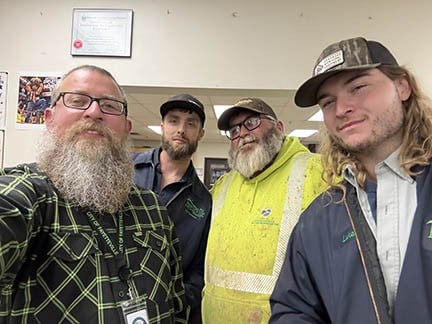
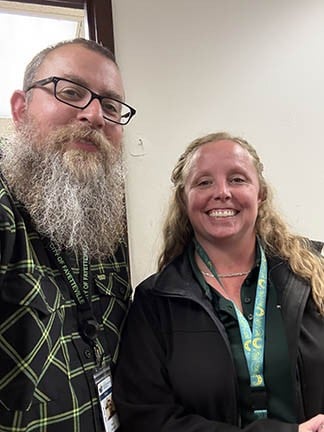
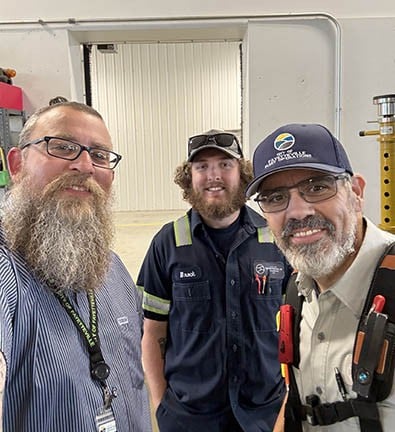
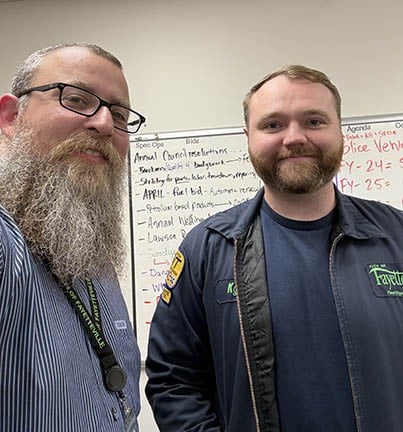
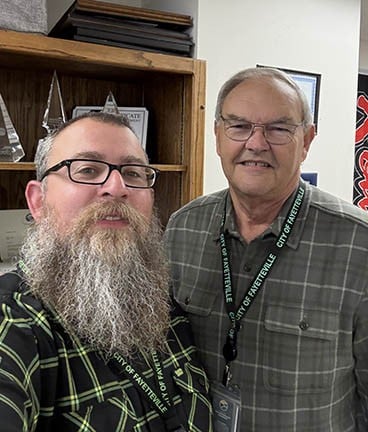
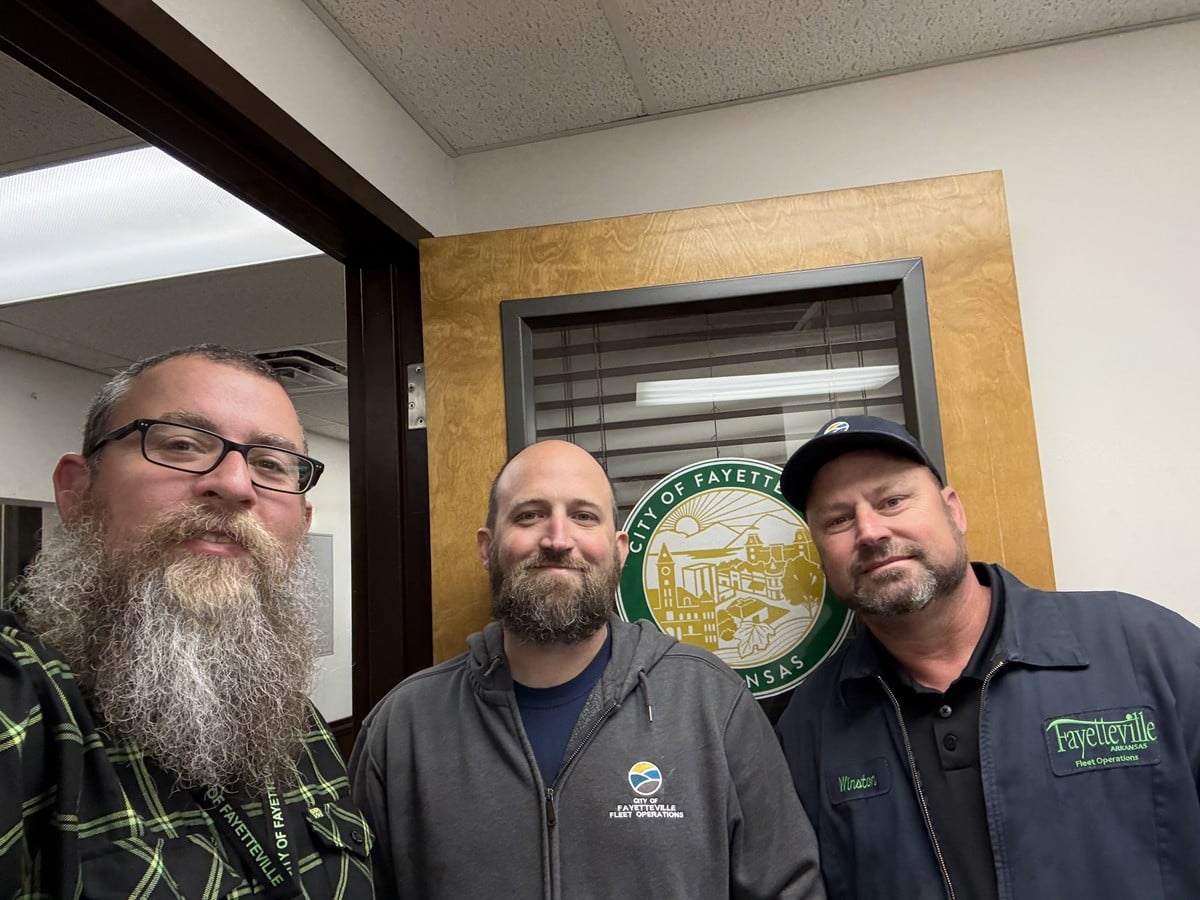
His new position offers an opportunity to apply that same approach on a broader scale.
“I wasn’t looking to get away from fleet management,” Jackson said. “I was looking for an opportunity to experience it from a different perspective, continue learning and hopefully help a few more people along the way.”
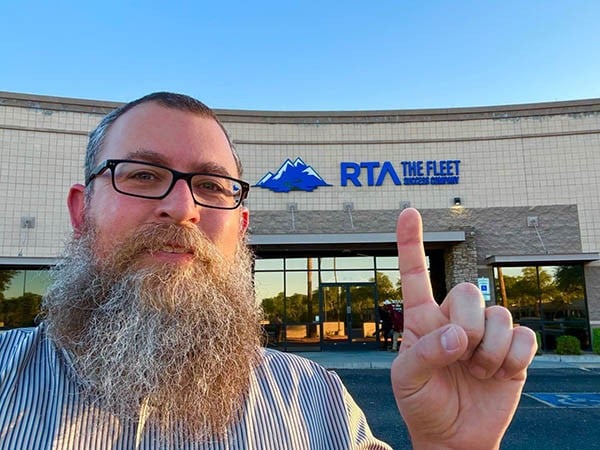
At RTA, Jackson can connect fleet managers with people who have faced similar challenges and help them find resources that might make their jobs easier. He also gets to learn from operations that approach familiar problems differently.
The role has already provided a personal connection to his earlier career. During his first week, Jackson finally met Shelley Crouse, an RTA employee who had helped him with software questions during his University of Arkansas days. Her patience and willingness to help had made a lasting impression. Jackson hopes to provide that same kind of support to fleet professionals in his new role.

Lessons Worth Passing Along
Jackson’s experience in Fayetteville offers plenty for other fleet managers to consider, regardless of whether their operations are struggling or already performing well. The green mirror hangers and daily reports addressed practical communication problems without requiring major investments. Improved work order documentation made existing software more useful. Other changes depended on Jackson’s willingness to reconsider his own habits and involve employees in decisions that affected their work.
None required him to have every answer. What mattered was recognizing where improvements were needed and helping the people responsible for the work understand how to make them. Jackson’s award recognized what the Fayetteville team accomplished. His next chapter gives him an opportunity to help other managers benefit from those experiences.
“If I can help someone avoid a mistake I’ve already made, save them a little time, or introduce them to someone who can help them solve a problem,” he said, “I consider that a pretty good day.”