Deeper Dive: Ford Pro Expands Police Lineup With a Purpose-Built Expedition Responder
MPF talked with Ford Pro to get more details on the 2028 Expedition Police Responder
 1 / 5
1 / 5
Vehicle selection in police departments is not a one-size-fits-all proposition. Patrol officers, supervisors, K-9 units and specialty teams each demand something different in their vehicles.
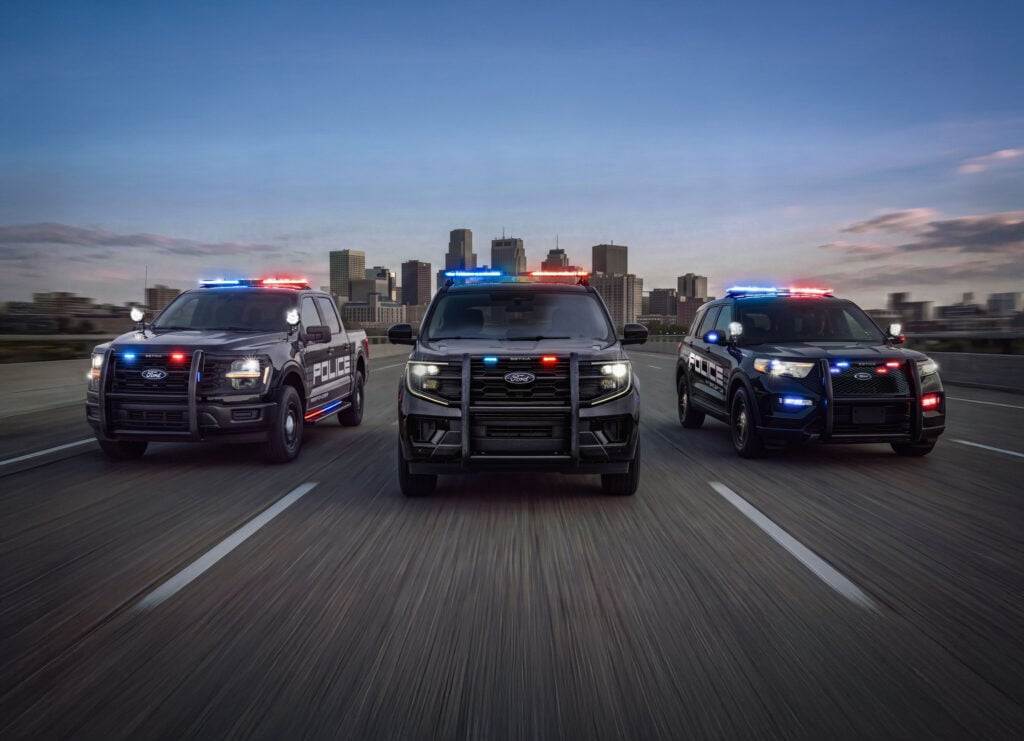
That reality shaped Ford Pro’s new 2028 Ford Expedition Police Responder, a full-size, pursuit-rated SUV that joins America’s best-selling Police Interceptor Utility and F-150 Police Responder. a pursuit-rated pickup truck.
“It’s not a competitor for our other vehicles; it is a complement,” says Lindsey Bertino, Ford Pro police brand marketing manager. “We really wanted to focus on providing the right tool for the job. Do you need an Interceptor-size vehicle? Do you need a vehicle with the F-150’s capabilities? Or do you need that full-size SUV?”
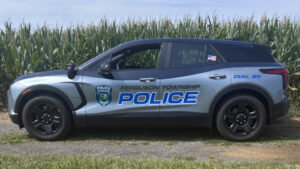
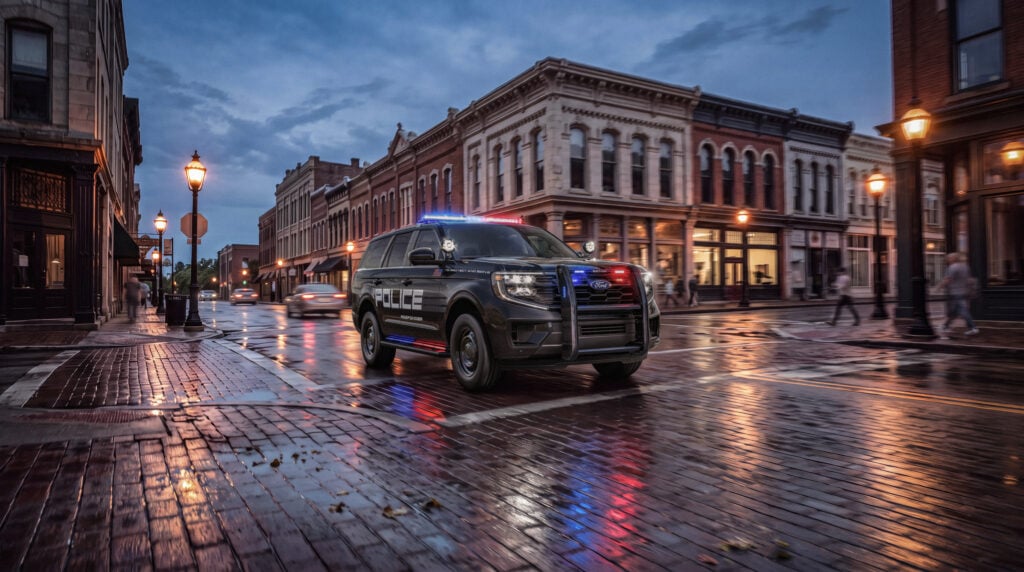
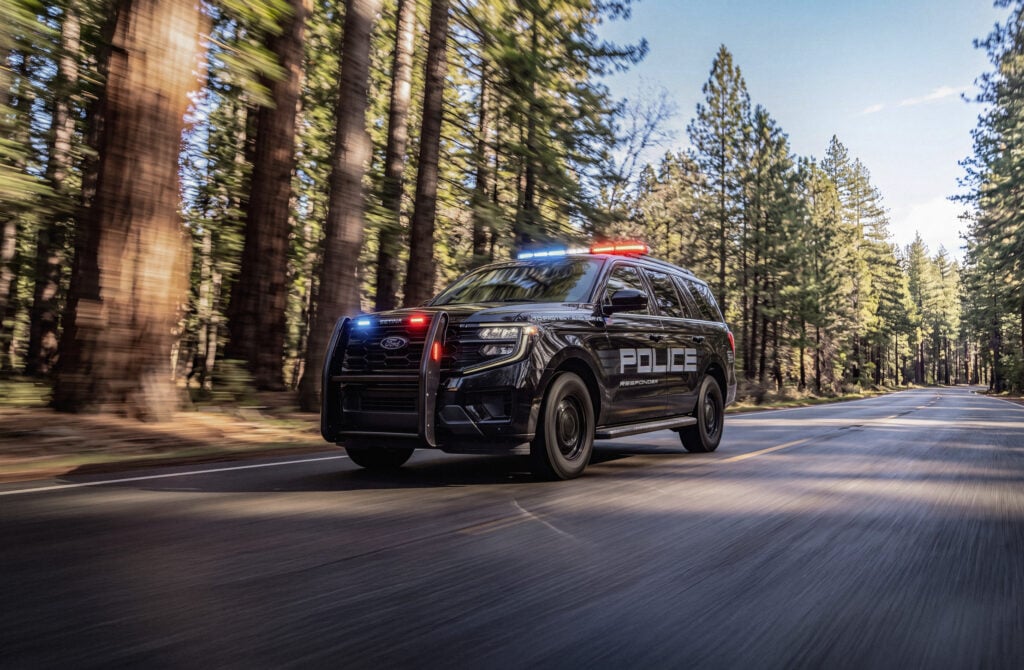
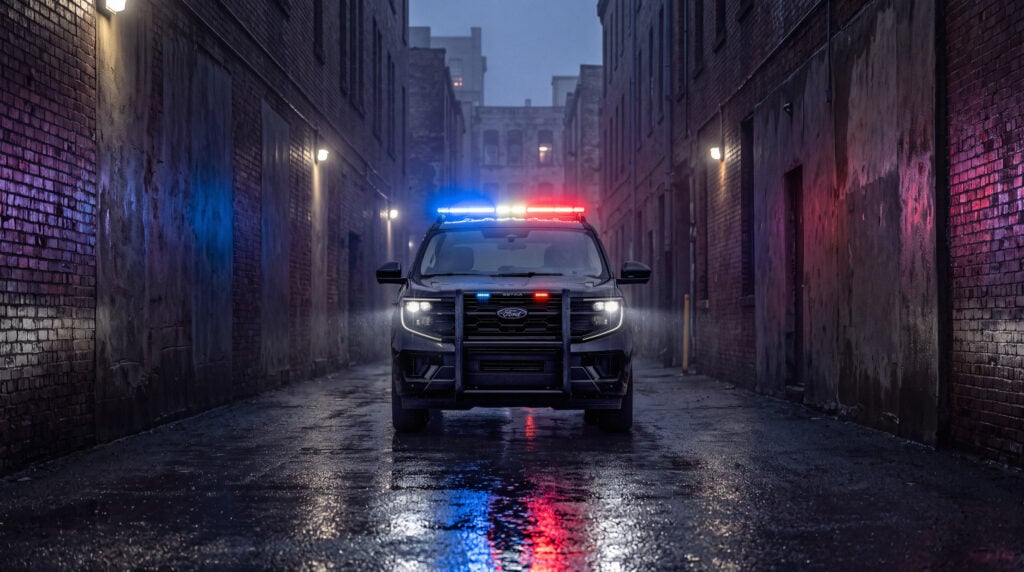
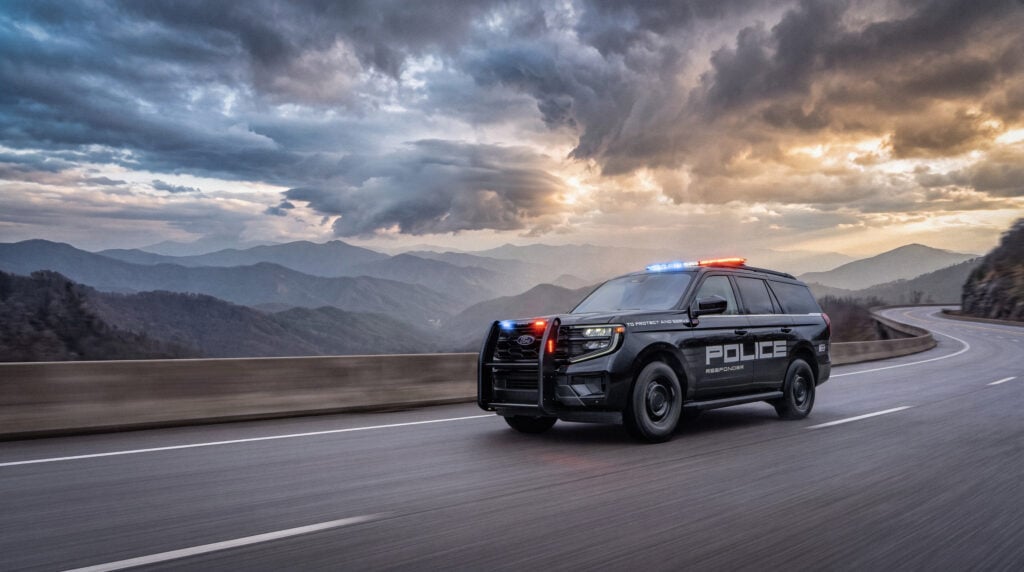
The new Ford Expedition Police Responder is a full-size, pursuit rated utility vehicle with standard 4×4, five-passenger seating and purpose-built police features.
The new offering features a 3.5-liter EcoBoost V6 producing 400 horsepower and 480 lb.-ft. of torque, paired with a 10-speed automatic transmission. Its standard utility equipment includes Heavy-Duty Trailer Tow with Integrated Trailer Brake Controller, Trailer Sway Control, a torque on demand transfer case, a 360-degree camera and a Power Split Liftgate with Police Accessory Independent Timed-Release Output (PAITRO).
Its black interior includes police-grade, heavy duty cloth front seats with reduced side bolsters and rear anti-stab plates, and a vinyl floor and rear bench seat. Police Dark Car, Police Engine Idle and Police Perimeter Alert are also standard.
Meeting the Mission
Ford has built its current police portfolio around different duty requirements, according to Bertino.
“When we were looking at our portfolio, we wanted to make sure that we had an offering that could fit all of our customer’s needs, and that each vehicle complemented the other vehicles,” Bertino says.
Though the vehicles differ, Bertino says Ford made sure certain features and design elements carried through the lineup. All three vehicles, for example, use 18-inch wheels, although tire selection varies by vehicle and duty cycle. The F-150 Police Responder uses an all-terrain, pursuit-rated tire while the Expedition Police Responder uses an all-season, pursuit-rated tire.
That familiarity in layout, features and controls helps fleet directors and officers who operate more than one Ford police platform in their fleets.
“There’s certain content and features that we share across all the different programs, so that an officer can go from one vehicle to the next and still have access to a lot of those features, so they don’t feel like they’re losing anything going to another vehicle,” Bertino says.
Built With Upfits in Mind
The factory vehicle is the starting point. Lights, communication equipment, storage, and push bars are added to finish it.
The Expedition Police Responder comes standard with 260 amps of electrical capacity to support upfitting. Initially, Ford will not offer all of its factory-installed lighting content on the Expedition. According to Bertino, Ford will add additional content over time, while fleets can use aftermarket upfitters in the interim.
“Within an agency’s portfolio, they don’t use the vehicles all the same way, and they don’t upfit them all the same way,” Bertino says. “We try to design our vehicles, so that fleets have a lot of flexibility with the upfit process.”
This allows a fleet manager to figure out what makes sense to order directly from Ford and what an upfitter can add later. Ford also works with equipment suppliers before a new police product launches, providing access to CAD designs so vendors can develop compatible equipment.
“Our upfitter guides give direction on everything that they need, and then we work with the different suppliers and vendors and help them,” Bertino explains, noting the Expedition Police Responder guide will be available next year.
Protecting the Gear
The Expedition Police Responder features a Power Split Liftgate with the Police Accessory Independent Timed-Release Output, or PAITRO.
This system, which is already standard on the Police Interceptor Utility, allows an officer to initiate access to stored equipment through the key fob or overhead console. Once activated, an officer has 45 seconds to open the rear area before it automatically locks again.
“They store a lot of items back there. They store things for crowd control. They may have additional shields, bullet-resistant vests, weapons, bullets, and more,” Bertino says. “We don’t want that to be accessible to anybody else.”
This system also integrates with some aftermarket equipment. For instance, an upfitter can tie a lockbox into the timed release to limit access.
“That’s an extra protection to make sure that whatever the officer keeps in the vehicle is safe at all times,” she says.
Police Input
Ford used its Elite Police Advisory Board, which includes 25 officers from agencies across the United States and Canada to inform its new offerings. This group represents state agencies, large municipalities, local departments and sheriff’s offices.
The company showed advisory board members an early version of the Expedition Police Responder and its advanced features in 2025. Performance engineers collected feedback from the board on recommended changes or additions.
“We rely heavily on our advisory board,” Bertino says. “We call them on a regular basis to get their opinions on a vehicle or a new feature we’re working on.”
That collaboration continues a rich history stretching seven decades. Ford began producing purpose-built police vehicles in 1950 and introduced the first Interceptor in 1951. Over the years, Ford’s police officers moved from sedans, such as the LTD and Crown Vic, to utilities, pickups and now a pursuit-rated, full-size SUV.
“The industry has definitely changed over the decades,” Bertino says, “and Ford continues to evolve with it.”