Northern Illinois Transit Proposes $9.73B Capital Plan With 200-Plus Electric and Hybrid Buses
The five-year program funds hybrid-electric buses for CTA and Pace, an electric bus garage in Waukegan, and battery-electric trainsets on Metra that NITA calls the first in the nation.
Source: Northern Illinois Transit Authority ↗
The Northern Illinois Transit Authority (NITA) released its proposed 2027 Regional Transit Operating Budget and Five-Year Capital Program on Nov. 2, 2026, sending the document to public comment ahead of a December vote by the NITA Board. The accompanying 2027-2031 Five-Year Capital Program stands at $9.73 billion for investment in vehicles, stations, tracks, bridges, signals, facilities and technology.
The capital program includes $990 million in new funding established by the NITA Act, drawn from a share of interest earned on the state’s Road Fund and State Construction Account. That source is estimated at $180 million annually and accounts for $990 million of the five-year program, according to NITA. The remainder of the capital program draws on federal and state funding.
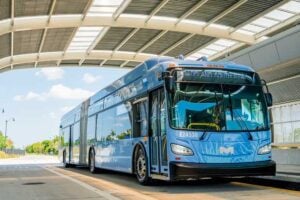
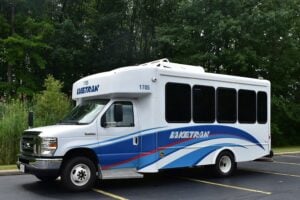
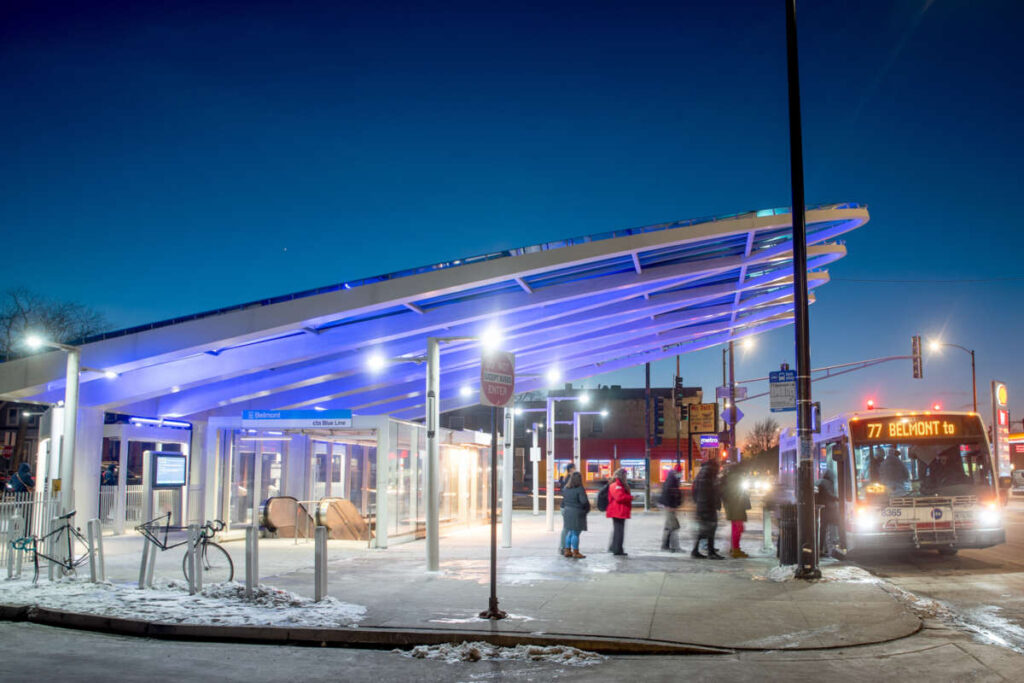
Fleet investment is a central element of both documents. The five-year capital program funds more than 200 electric buses or hybrid-electric buses for the Chicago Transit Authority (CTA) and Pace. Early capital enhancements include 150 new hybrid-electric buses for CTA, an electric bus garage in Waukegan to support zero-emission buses at Pace’s Lake County division and a new Metra station in Auburn Park along the Rock Island Line. The program also funds battery-electric trainsets on Metra, which NITA calls the first in the nation. The program also covers garage electrification to support the zero-emission fleet transition and replacement of paratransit vehicles.
The proposed 2027 operating budget would create 439 new jobs among the more than 17,000 employees who operate, maintain and improve the transit network. It achieves $60.1 million in efficiencies, $13.3 million more than the NITA Act requires. There is no fare increase proposed for 2027, and free transfers between CTA and Pace are included. The Access Program expansion is made permanent, and streamlined student fares become a standing policy.
Service expansions funded in the 2027 budget include six CTA bus routes added to Owl 24/7 Service, new Sunday service on select Pace routes in the suburbs, expanded service on the Rock Island Line and improvements to rail slow zones across the system. The NITA Ride Safe coordinated safety reporting application is set to launch later in November 2026, and the Transit Ambassador program is scheduled for summer 2027.
NITA’s budget survey, “What Moves You,” gathered 4,368 responses in English and Spanish. Riders ranked more frequent and reliable service as the most important change and named better schedule coordination as the top way to improve connections between services. Seventy-five percent of survey respondents said improving connections between transit services was extremely or very important. On capital priorities, keeping existing assets working and reducing slow zones ranked highest among respondents.
The northern Illinois transit system has recorded 65 consecutive months of year-over-year ridership growth, from April 2021 through August 2026. A June 2026 panel survey showed 80% rider satisfaction, up from 74% a year earlier.
“NITA is ready to lead a more connected, more reliable, safer regional transit system, and this budget puts that commitment into action,” said NITA interim Executive Director Jamie Rhee. “We are bringing agencies together, setting regional priorities and holding ourselves and our operating agencies accountable for results that riders, frontline workers and the taxpayers can see and experience.”
“This budget reflects our focus on our riders’ priorities: frequent and reliable service, strong infrastructure and a system where people feel safe,” said CTA Acting President Nora Leerhsen. “It invests in the quality of employee-facing facilities, protects the gains of the past year, supports the delivery of the service riders expect, and identifies efficiencies to make every new dollar count.”
Metra Executive Director Jim Derwinski said the legislation establishing NITA “provides not only a pathway for additional investment, but also a framework for greater coordination, accountability and service improvements across the region.” Pace Executive Director Melinda Metzger said Pace is “looking ahead to 2027 with optimism, momentum and a clear commitment to the riders and communities we serve.”
The five-year capital program also funds a regional Access to Transit program developed in collaboration with the Chicago Metropolitan Agency for Planning, providing enhanced access to bus stops in collar counties, along with pilot phases of a NITA regional signage program and a regional bus shelter program. NITA’s public hearing on the proposed budget is scheduled for Nov. 12, beginning at 1 p.m., with public comment expected around 4 p.m. and the session open until 6 p.m. In-person attendance is available at 175 W. Jackson Blvd., 16th Floor, Chicago, with a virtual option via Zoom registration.