How to Prepare Fleet Drivers After the Time Change
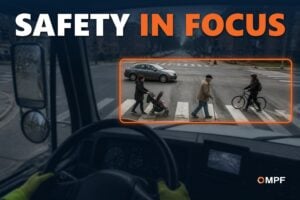
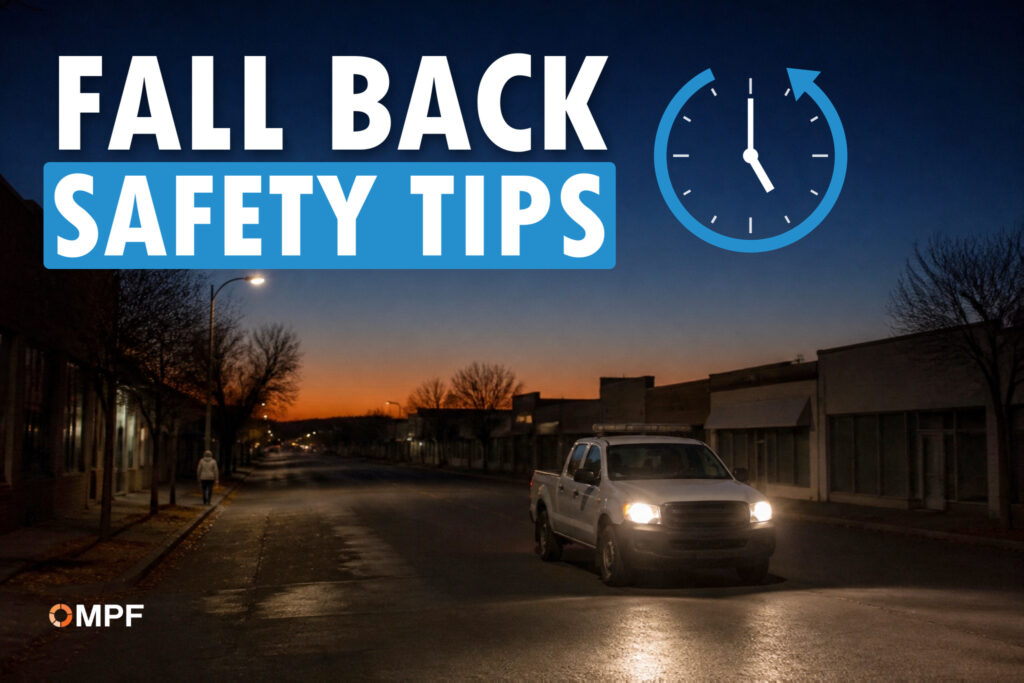
Fatal pedestrian and cyclist crashes rose 13% after the fall change in an IIHS study, and NHTSA data show 76% of pedestrian deaths happen in the dark.
Source: Insurance Institute for Highway Safety ↗
The clocks went back Nov. 1, and for many public fleets the end of the workday now falls in the dark. Research shows the added risk from that shift falls on people walking and biking near those vehicles.
A study in the Journal of Safety Research from the Insurance Institute for Highway Safety looked at U.S. fatal crashes from 2010 to 2019 in the five weeks before and after each time change. During the hours when the change altered the light, fatal crashes involving pedestrians and cyclists rose 13% after the fall change. For those road users, lead author Amber Woods said, “the biggest factor appears to be the changing light conditions.”
Fatal crashes among vehicle occupants went the other way, falling 7.1% in the same five weeks, and both patterns reversed after the spring change. Across the year, IIHS said, the net effect on overall fatal crashes was minimal.
The National Highway Traffic Safety Administration’s latest pedestrian data show why the light matters. Of the 7,080 pedestrians killed in 2024, 76% died in the dark. The 6 to 8:59 p.m. window had the largest share of any three-hour period, at 24%, and 73% of the deaths occurred away from intersections. These are significant numbers, and a reminder that even a one-hour shift can change the conditions we’re driving in.
AAA Northeast compared the 5 p.m. hour in October and November in four states. In Connecticut, pedestrian crashes in that hour rose from 51 to 130 over 2020 to 2025. New York’s rose 96% over 2021 to 2024, New Jersey’s rose 65% in 2025 and Massachusetts’ went from 15 to 32 in 2025. Those are month-to-month comparisons, not a controlled study like IIHS’s.
What to Tell Drivers
Here’s what I’d share with your drivers:
- Look for people away from crosswalks. NHTSA tells drivers to look for pedestrians everywhere, especially at dusk, at night and in bad weather.
- Slow down on turns. AAA suggests 5 mph when turning at intersections, particularly where street lighting is poor or pedestrians are likely. NHTSA says to be ready to stop when turning and never to pass a vehicle stopped at a crosswalk.
- Leave more room. AAA recommends a following distance of four seconds or more. The National Safety Council says normal headlights show about 250 feet of road and high beams about 500, so speed should leave room to stop within that distance.
- Plan for glare. Low sun now hits commuters earlier. AAA suggests using the visor, wearing polarized sunglasses and leaving extra space. For oncoming high beams, look down toward the right edge line until the vehicle passes.
- Don’t count on the extra hour. AAA Northeast says sleep cycles can take days or weeks to adjust, even when the change adds an hour. Aim for at least seven hours. NHTSA says coffee alone is not always enough, and a sleepy driver should pull over somewhere safe for a 20-minute nap.
- Get eyes checked. A 50-year-old driver may need twice as much light as a 30-year-old to see as well, the National Safety Council says, citing the American Optometric Association, which recommends annual vision exams for older drivers.
What Fleet Managers Can Do
For fleet managers, I’d start here:
- Send the reminder now. The five-week window IIHS studied runs through about Dec. 6 this year. Cover the numbers and the driver steps in a safety meeting or toolbox talk.
- Check lights and glass. AAA says headlights can show deterioration after just three years, so add yellowing and clouding to inspections. The National Safety Council also lists correct headlight aim and clean lenses. Check for wiper streaks and washer fluid at the same time.
- Review routes that are now dark. Look at which afternoon runs now end after sunset, especially on poorly lit streets or where people walk to schools and transit stops. Consider moving the timing or the route where the work allows it.
- Make your own people visible. NHTSA advises reflective materials or a flashlight for anyone walking at night, and IIHS points to reflective or light-colored clothing. That applies to staff working roadside or crossing yards at the end of a shift.
- Back up the tired driver. National Institute for Occupational Safety and Health guidance written for oil and gas employers offers steps that carry over to other fleets: limit hours worked and driven, require rest breaks on extended drives, make sure no one is penalized for stopping because of fatigue and treat fatigue-related near misses as chances to learn.
For more on how public fleets are approaching road safety, see Vision Zero in Action.