Making Fleet Matter
Aurora Fleet Manager Shae Davies is questioning inherited assumptions, putting real costs behind fleet decisions and using data to turn customer frustrations into a stronger case for Fleet.

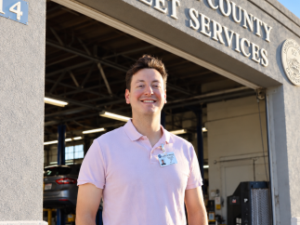
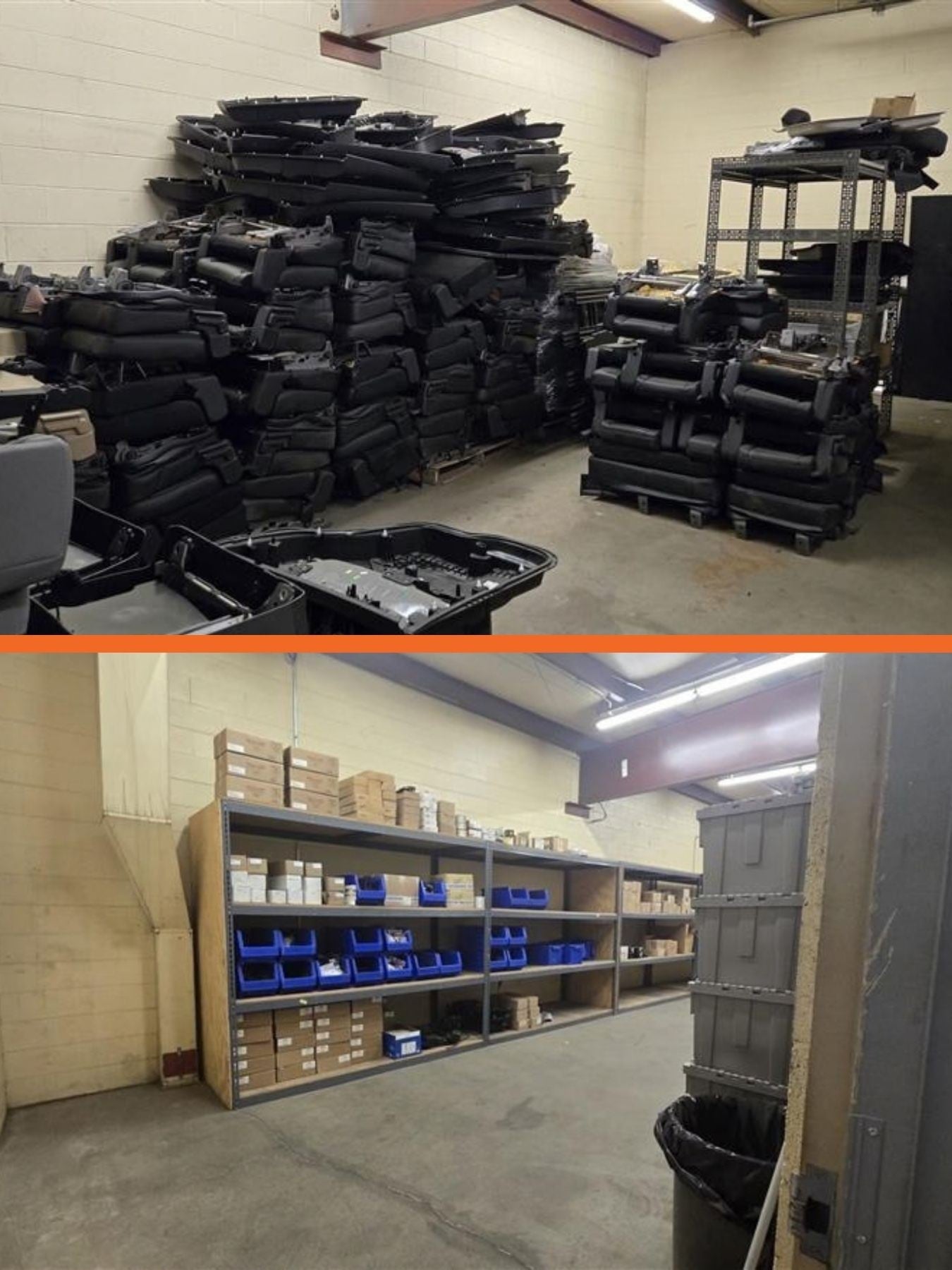
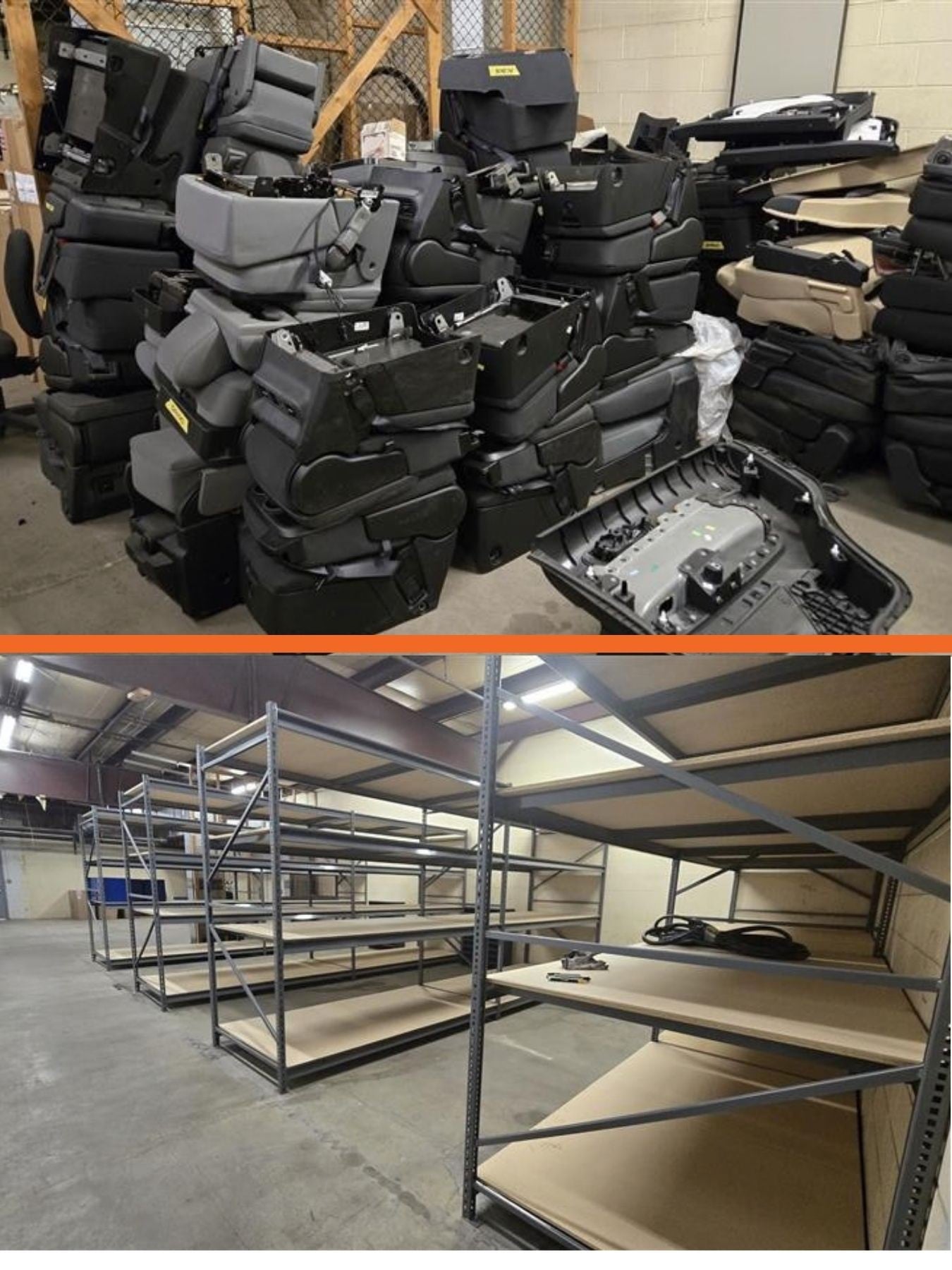
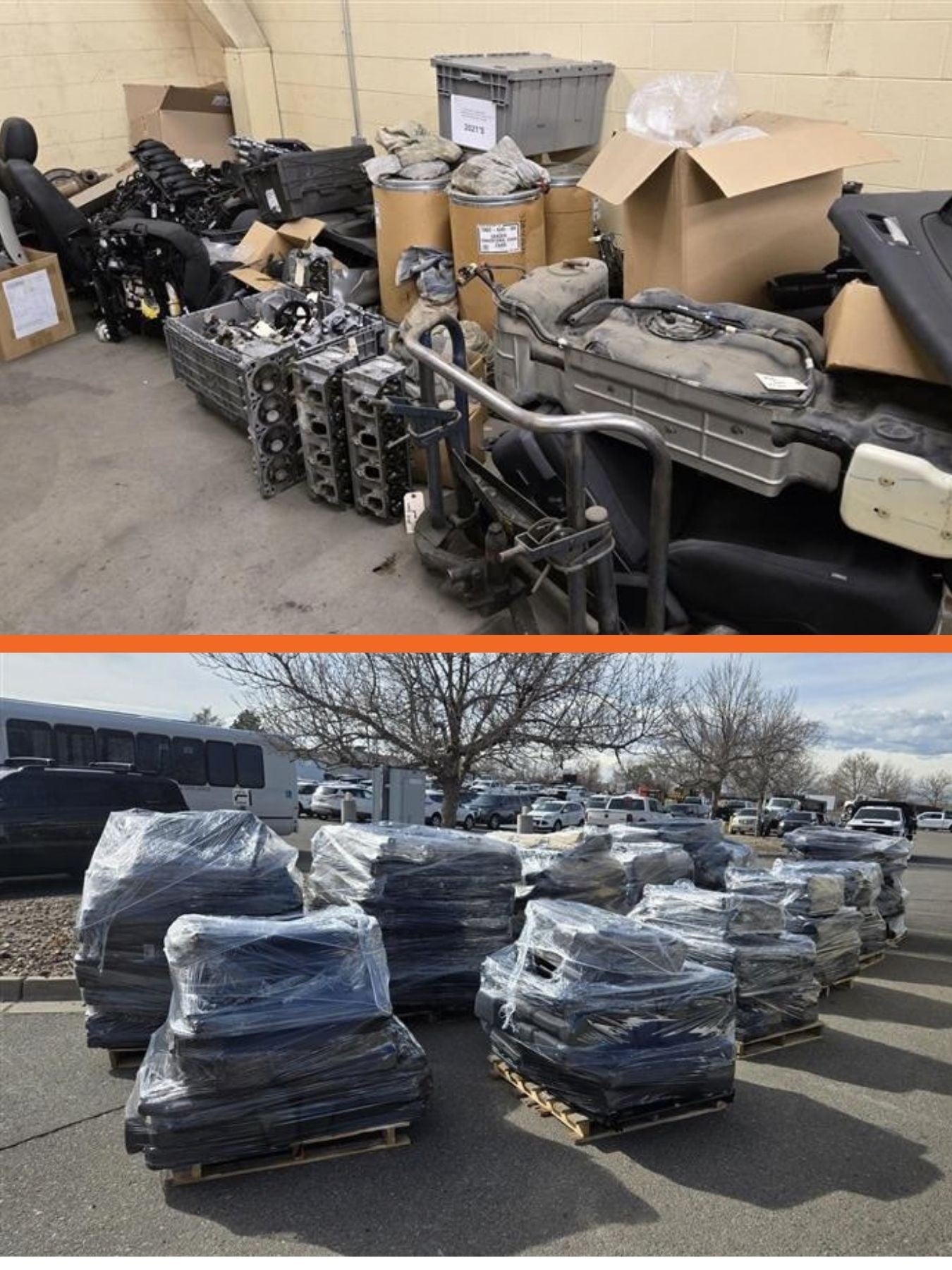
When Shae Davies arrived at the City of Aurora, Colorado, she found hundreds of police vehicle back seats. They were stored in Conex boxes, tucked into corners and stashed wherever Fleet could find room. There was a reason for them; it just happened to date back to the era of Crown Victoria police cars.
When those vehicles retired from government service, cab companies often bought them, so fleets saved the original seats to reinstall before auction. Eventually, taxis changed. Rideshare changed the business again. Aurora moved on to Tahoes.
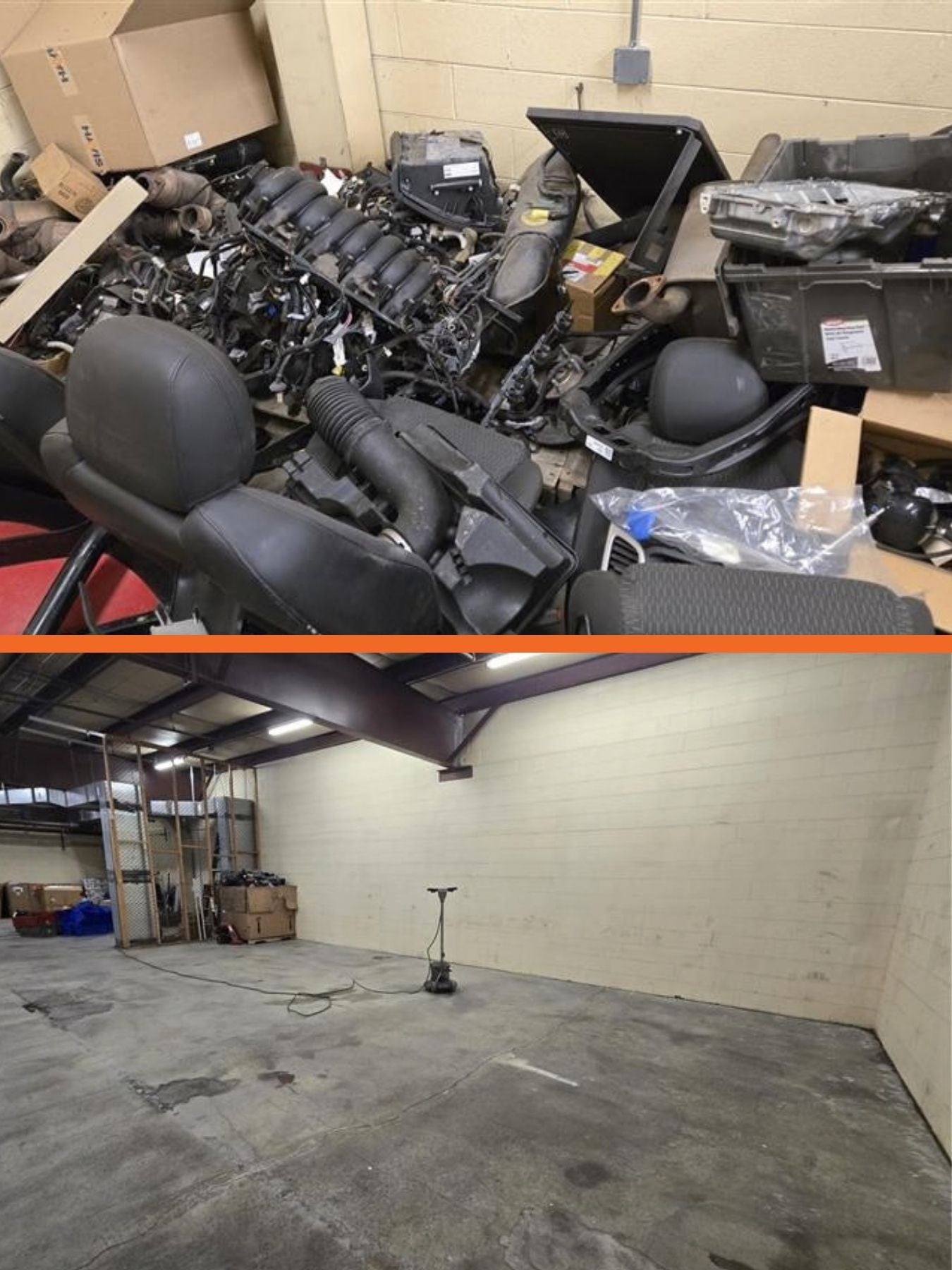
Fleet kept saving the seats, but not just seats. “Back seats turned into rear ends and engines and heads and lights,” Davies said. Davies, who joined Aurora in November 2025, saw more than clutter. She saw an opportunity to ask a question that has become central to how she approaches the job: “Why are we still doing this?”
 1 / 4
1 / 4It’s a question she’s applying to the shop, the fleet budget and Fleet’s relationships across the city. For Davies, making Fleet matter within a larger organization means doing more than telling people the department is important. Fleet has to understand the business behind its own decisions, help customers solve problems and give city leaders reliable information to act on. Sometimes that starts by getting rid of a few hundred seats.
Question the problem you inherited
Davies arrived with another assumption waiting for her: Aurora needed a second shift to handle its maintenance workload. There was a practical complication: the shops didn’t have enough room for another shift of technicians. Davies could have treated staffing and space as the problems. Instead, she backed up and analyzed why there was so much work.
Aurora has an aging fleet, and older equipment creates additional maintenance demand. So Davies began questioning whether doubling the staff would solve the underlying problem or simply add labor expense to the cost of keeping old assets running. Her shorthand is simple: “A new fleet is a cheap fleet. A new fleet is a healthy fleet.”
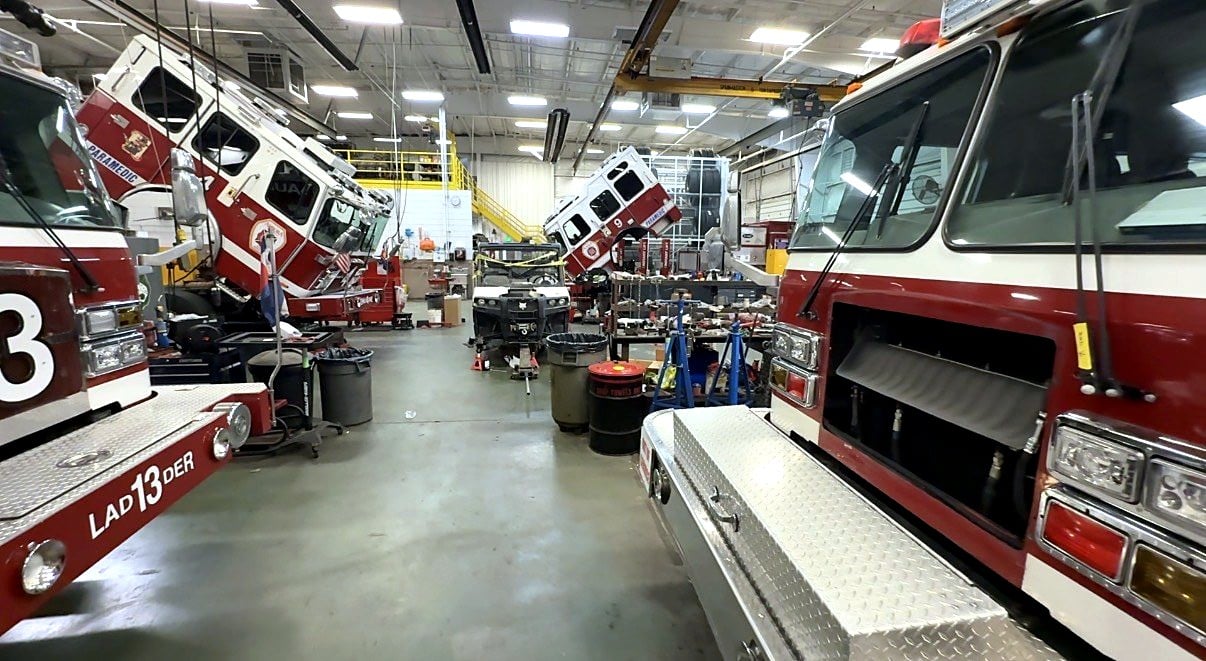
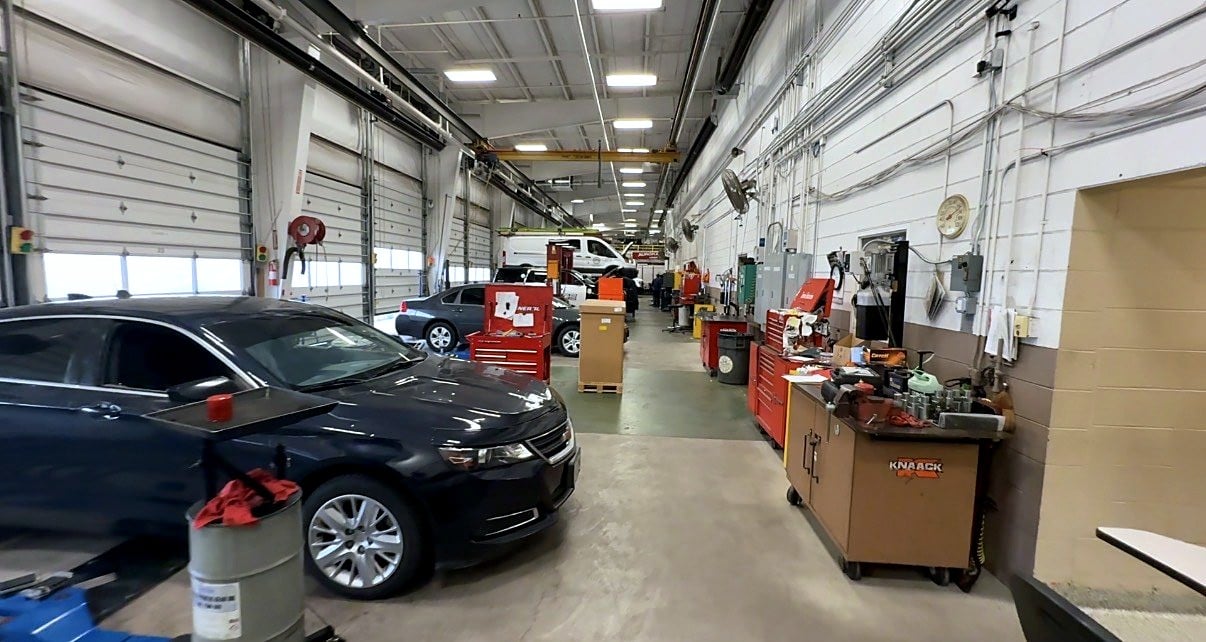
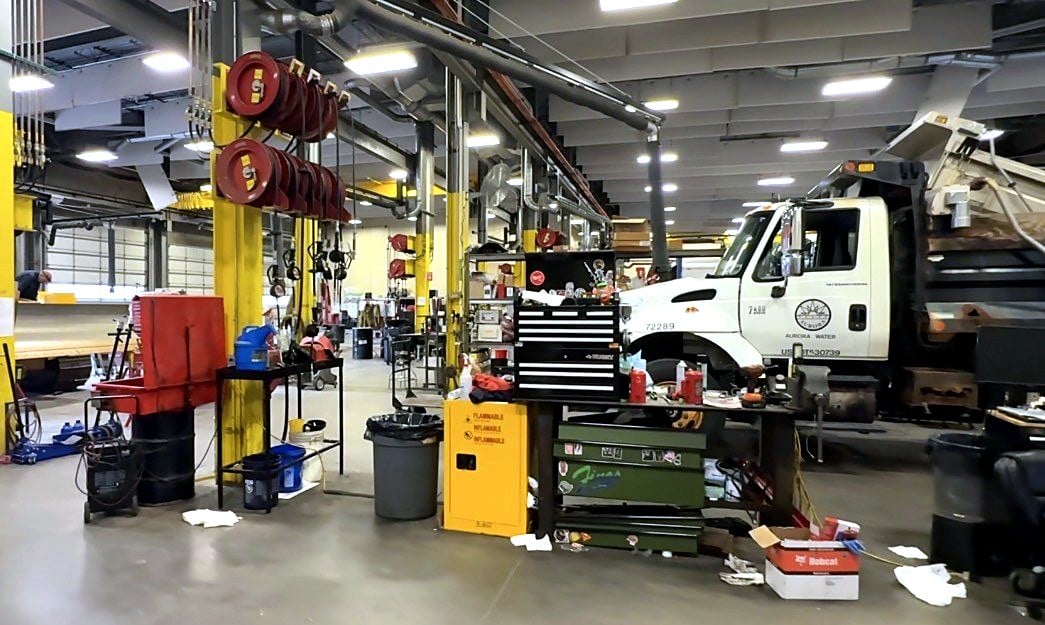
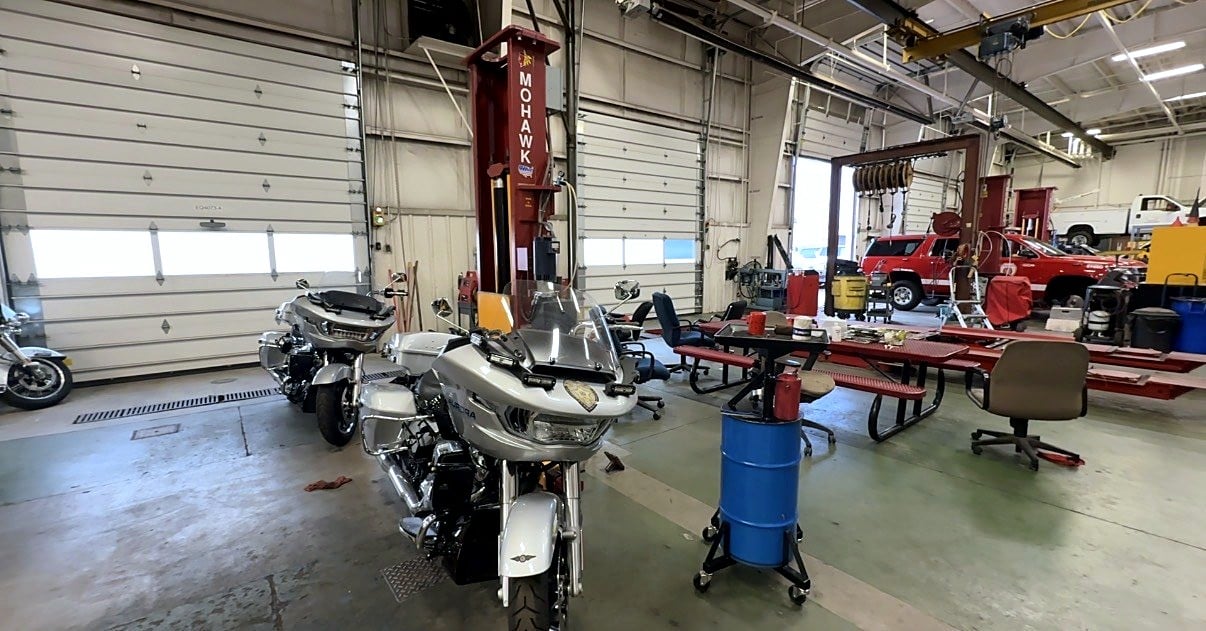
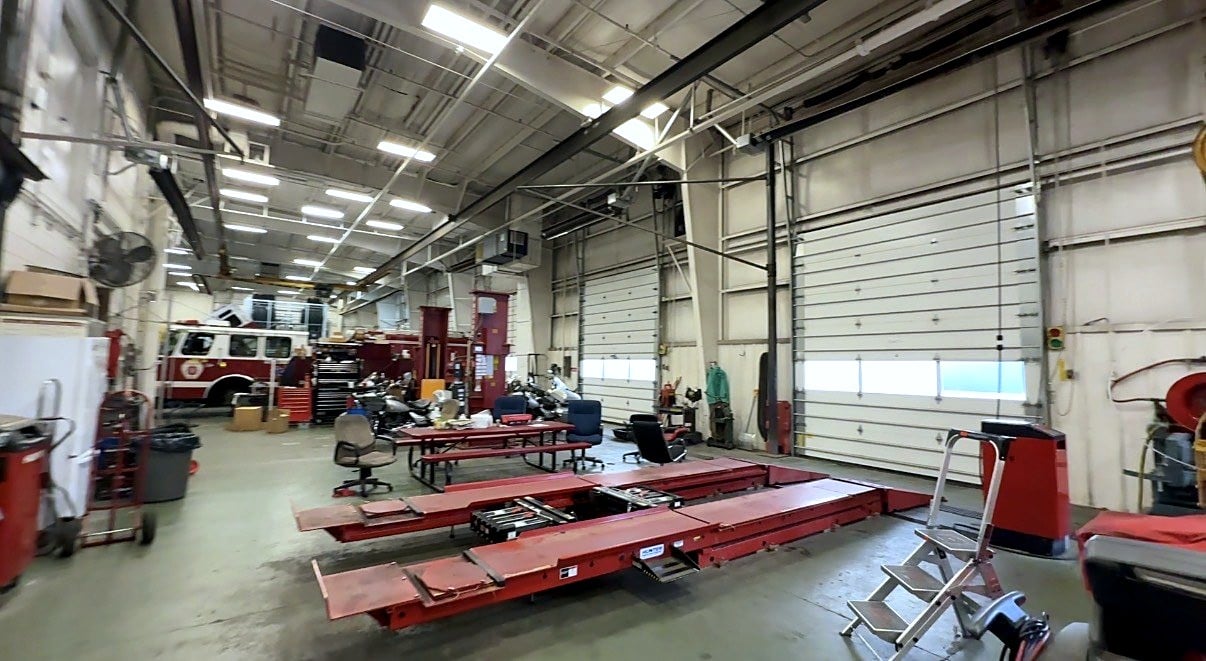
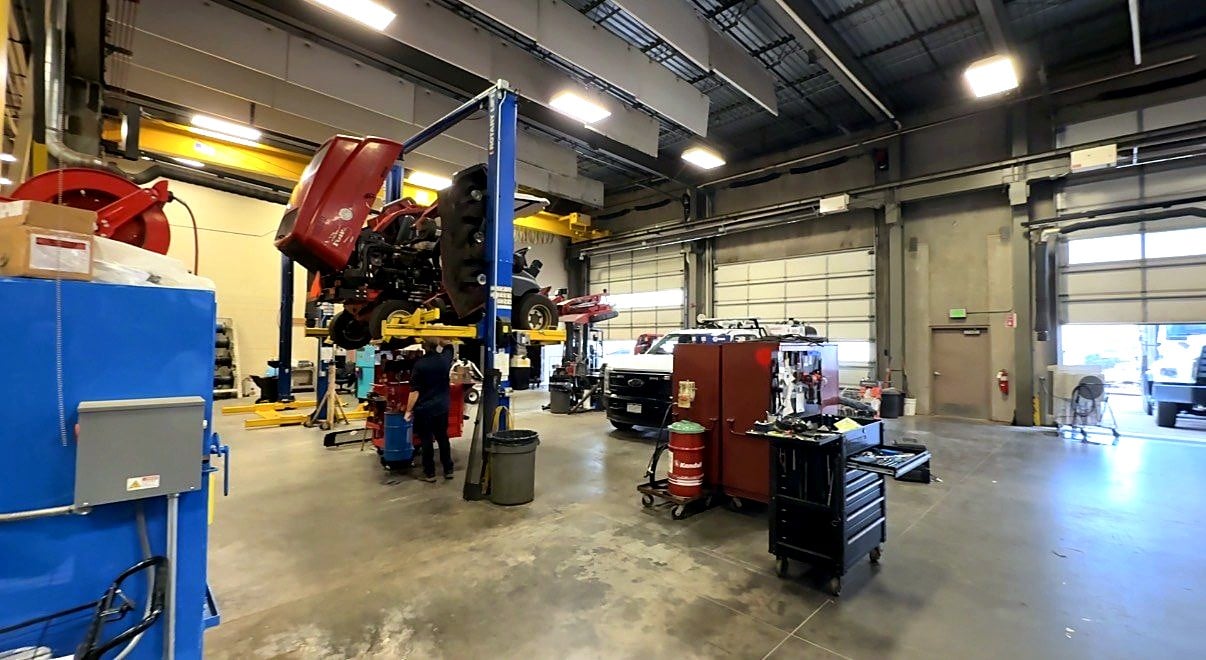
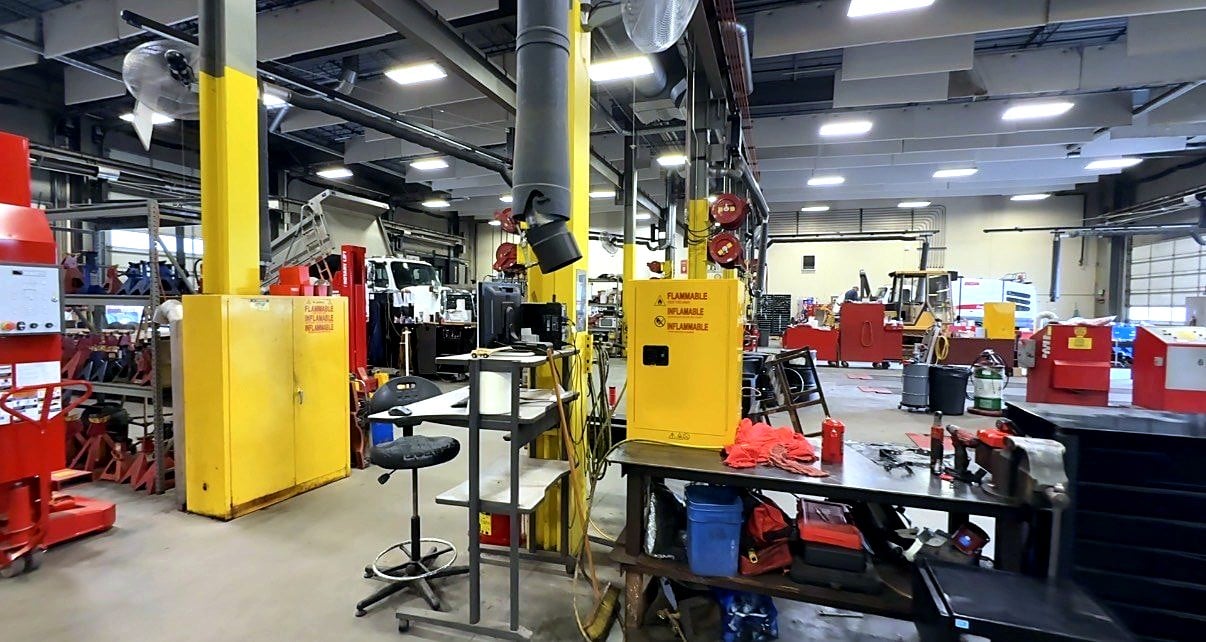
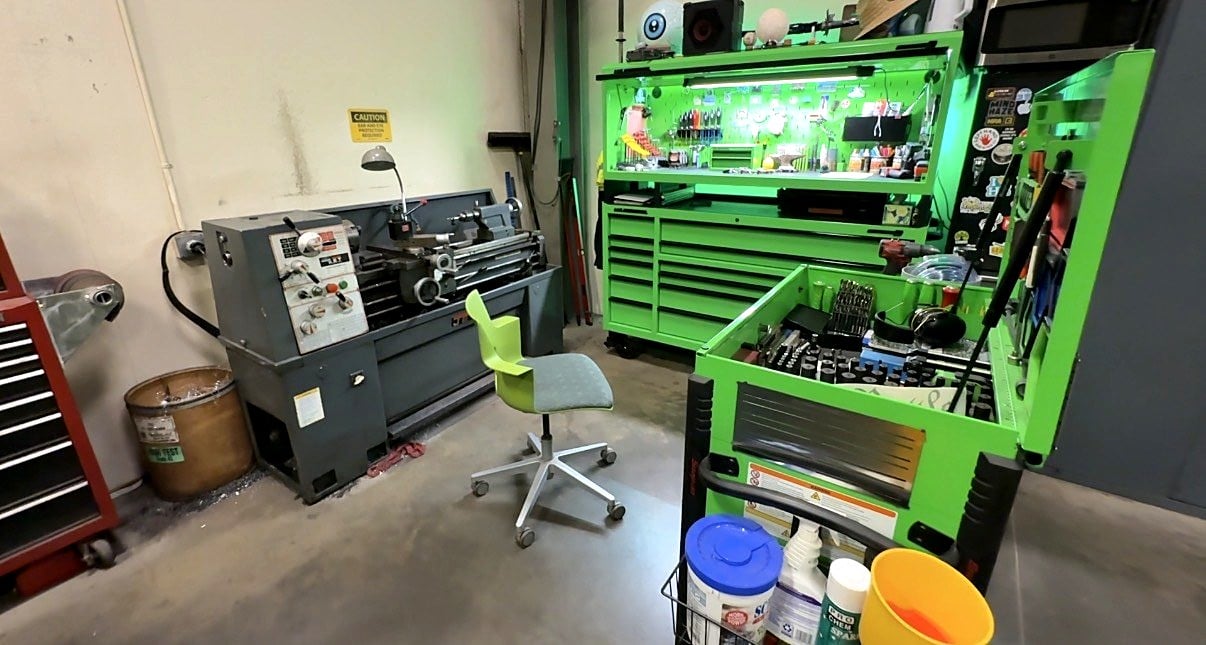
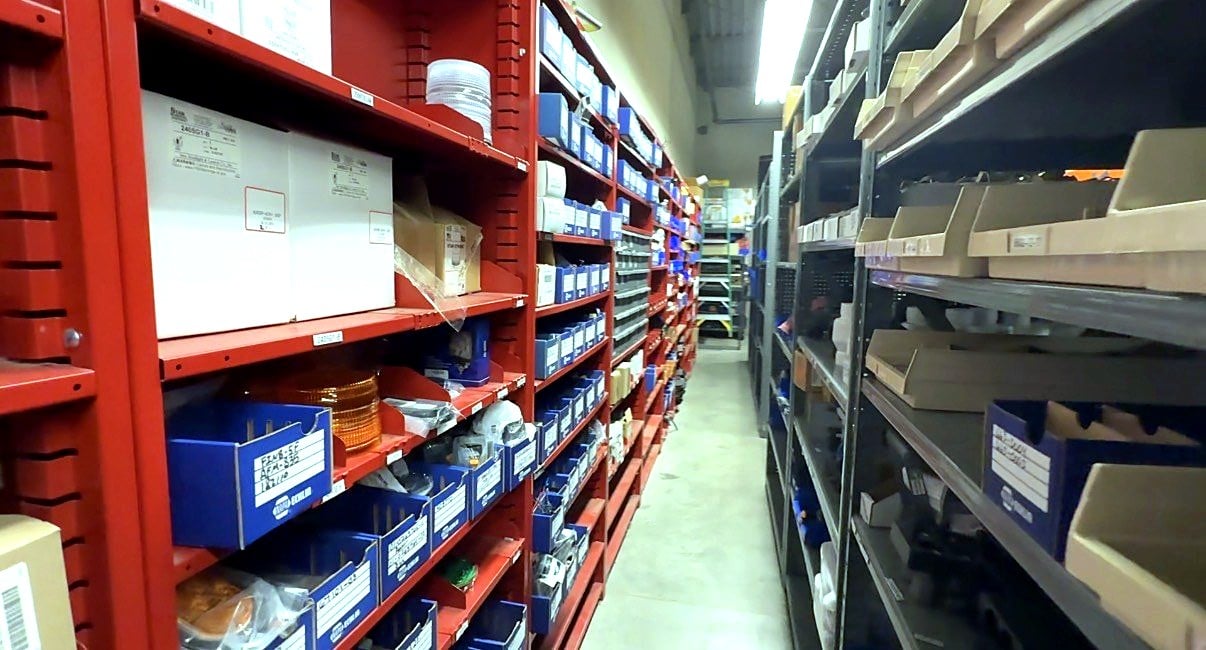
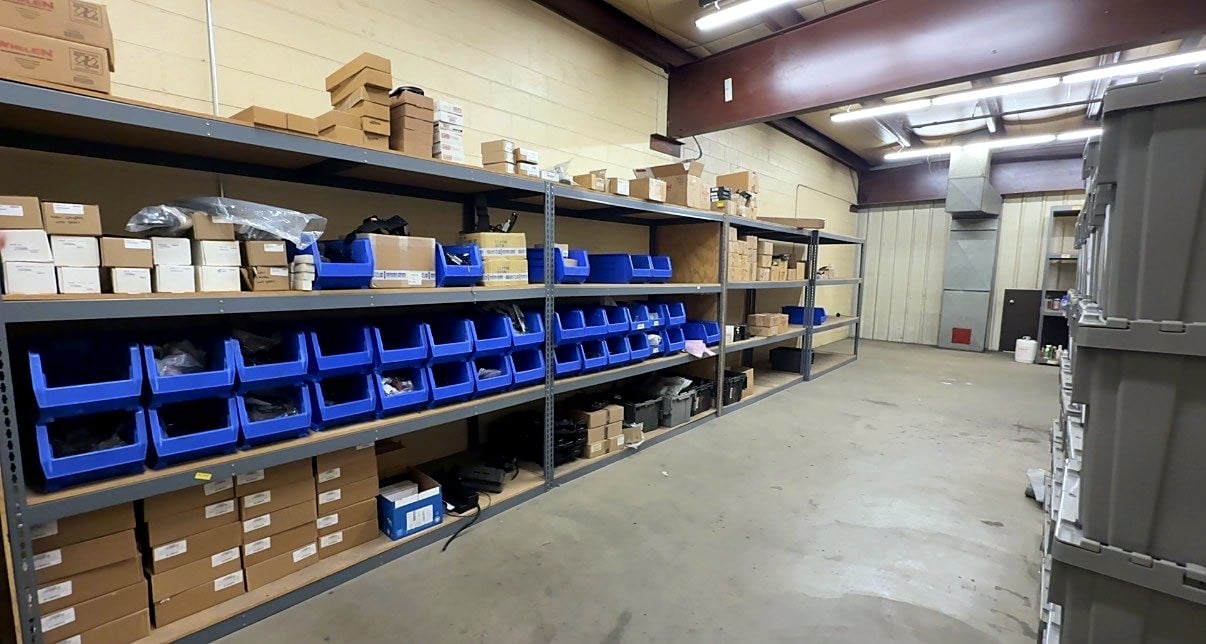
Then there was the space problem, some of which was legitimate. Aurora’s shops are still crowded. But years of accumulated parts and old practices weren’t helping. Davies saw blocked pathways, inadequate storage and workspace occupied by things Fleet had kept without continuing to question their value. That led to a major cleanout.
Seats went to auction, dumpsters and scrap-metal bins were brought in and Fleet invested in shelving, flammable-storage cabinets and hoists. It also revived its safety committee with representation from every shop and Fleet workgroup. “Now that we have decluttered, do we have enough room? No,” Davies said. “But we are using what we have as effectively as possible.”
 1 / 11
That gives Davies a much clearer position when Aurora does need to invest. She can show that Fleet first examined the resources it already had and separated problems it could address internally from those that genuinely require more.
Put a price on being resourceful
Getting rid of the seats was relatively easy, but the “just-in-case” parts were more complicated. Every fleet shop has technicians who hang onto a hard-to-find component, odd bolt or discontinued part because they know someday it might save a vehicle. Davies understands why. She began her own career as a mechanic apprentice.
The intention is good: reuse a part rather than buy one. Avoid waiting on something difficult to source and get the equipment back to its customer. But Davies sees a point where resourcefulness can begin working against Fleet. If a technician searches eBay or otherwise hunts down an obsolete component to repair a unit, getting that vehicle back into service solves today’s problem. But it can also hide evidence that the asset has become increasingly expensive to support.
“By any means necessary getting something back on the road by scrounging old parts is a disservice to our operators, to our drivers,” Davies said. “But it is also not helping to really paint an accurate picture of what our costs should be and what they actually are.”
Then there’s what Davies calls “ghost” stock. If Fleet has rooms and containers full of parts that aren’t accurately inventoried or valued, how does it account for what goes into a repair? When those unrecorded parts keep aging equipment alive, some of the cost of ownership disappears with them.
That missing information matters when Fleet needs to demonstrate that an asset has crossed the line from economical to expensive. The technician who finds the part and makes the repair has done the job. But Davies wants the organization to understand what it took to make that save possible.
Give customers evidence, not excuses
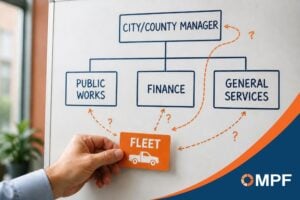
Davies is applying similar thinking to the way Fleet works with the rest of Aurora. She’s spent much of her career seeing fleet operations treated primarily as an expense or “the place that fixes vehicles.” She thinks that sells the function short. “It’s rare for fleet operations to be seen as the business that it is and located properly within a larger organization and recognized for the partner it should be,” she said.
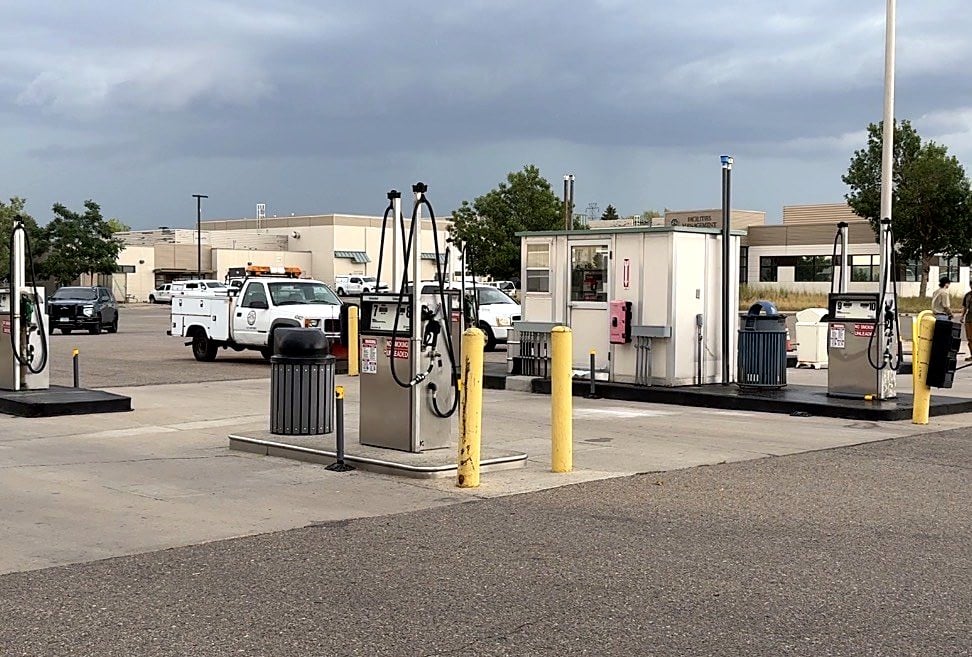
Aurora Fleet supports police, fire, utilities and other city operations. Since arriving, Davies has been talking directly with those customers about where they feel underserved. Budget, she said, is where the frustration begins about 95% of the time.
Rather than immediately explaining why Fleet can’t provide what a department wants, Davies has tried something else: Find out whether the customer has a point. Aurora commissioned an outside benchmarking study using multiple years of fleet, work order and fueling data. The analysis examined measures including vehicle age and cost per mile while comparing Aurora with other operations. It gave Davies the ability to return to customers with something they might not expect to hear from Fleet: “You’re right.”
“Benchmarking agrees with the fact that your vehicles are too old,” she said. “[It] agrees with the fact that you don’t have enough of this resource.” Davies describes her job as helping “build a road to yes.” She may not control the budget, but Fleet can provide the information that helps a department explain its needs to executive leadership and the people developing that budget.
The benchmarking study validated Fleet’s case; additionally, it found holes in Aurora’s own data. The analyst conducting the study happened to be an Aurora resident. While working from home, he spotted city equipment outside his window and checked vehicle numbers against the information he had received. Some didn’t line up as expected, which sent Fleet back into its FMIS to figure out why. It was an unusually literal reality check, but a useful one. Data can strengthen Fleet’s credibility only if Fleet is willing to let the data challenge its own operation, too.
Find the people willing to work with you
Davies wants Aurora’s departments aligned around fleet needs rather than competing for limited resources. “I want police and fire and parks and public works to be arm-in-arm and linked together as to why we need to modernize the budget,” she said. That doesn’t mean every department is eager to participate.
Some customers are willing to explore telematics, reconsider vehicle choices and test different approaches. Others aren’t answering Davies’ calls. She’s decided not to spend all her energy on the latter. Instead, she’s working with willing departments and letting their experience become part of the sales pitch. If one group tries a different vehicle or puts fleet data to work successfully, the department next door gets to see the result. Eventually, skepticism may give way to a much easier question: “Why don’t we have one of those?”
Davies is perfectly comfortable if the idea seems more convincing coming from another customer. “You cannot have ego in that,” she said. For fleet managers repeatedly making the same pitch to the same reluctant customer, the tactic is worth considering. A successful peer can sometimes make Fleet’s argument better than Fleet can.
Some baggage doesn’t show up in the FMIS
Davies has discovered that a new fleet manager inherits more than assets, budgets and facilities. She also inherits Fleet’s reputation. Some Aurora departments have been difficult to engage. Davies has realized that those reactions can be rooted in experiences that happened before she arrived. “You’re inheriting past decisions that you had nothing to do with making,” she said. “You’re inheriting past impressions that were made by former leaders in your position.”
She can’t change what happened, but she also can’t ignore what it left behind. “Some of it isn’t about me, but it is mine to fix,” Davies said. That may be one of the harder fleet problems to benchmark. There’s no report showing which department stopped trusting Fleet four years ago or which customer decided long ago that calling the shop wouldn’t help. Davies’ approach is to listen to what those customers are saying now, test their concerns against the data and start creating a different experience where she can.
Make Fleet useful
Davies talks comfortably about benchmarking and city budgets. She also notices air hoses lying on the shop floor. A few weeks ago, she looked around and wondered why technicians didn’t have retractable hose reels. The answer was familiar: no money.
Her years in the shop mean she doesn’t need much explanation about why something that small can make the workday safer or easier. “It’s fun to say ‘yes’ to your team and figure out ways cooperatively to make their work environment better, safer, smarter, easier,” she said. It’s a small example of the larger role Davies wants Fleet to play in Aurora.
Making Fleet matter doesn’t require repeatedly telling leadership that Fleet is more than a repair shop. Davies would rather demonstrate it. Know why the workload exists before asking for more technicians. Know what an old vehicle actually costs before deciding to keep it. Listen when a customer says its fleet isn’t meeting the mission, then find the data that shows whether they’re right.
And when Fleet can solve something itself, make it happen. Even if the first step is figuring out what to do with several hundred Tahoe seats.