Predictive Maintenance in Use: Beyond the Pilot
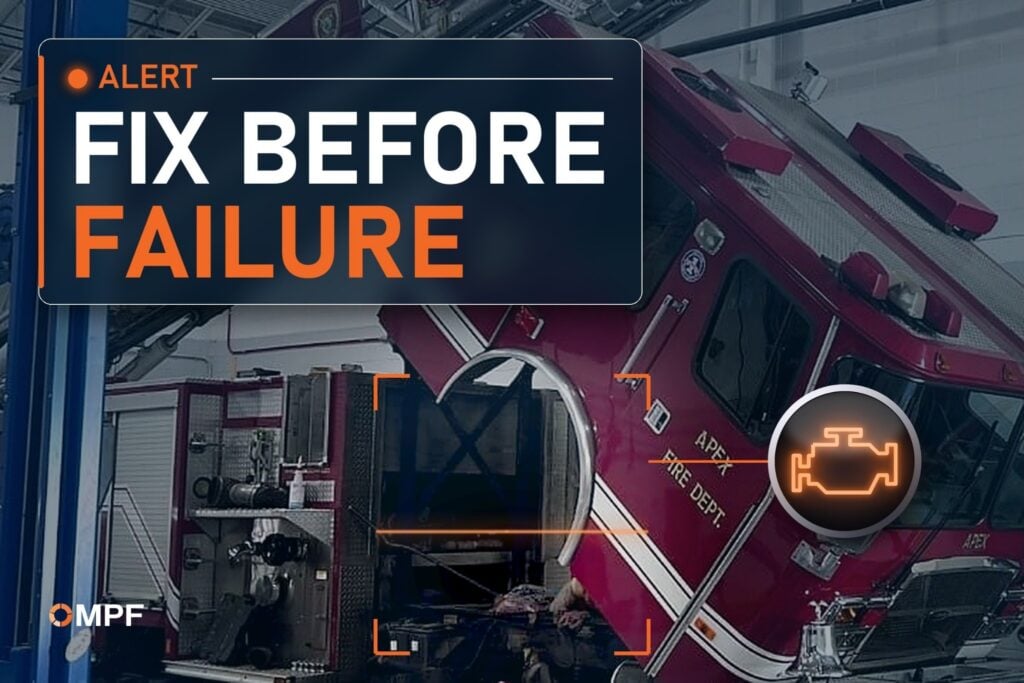
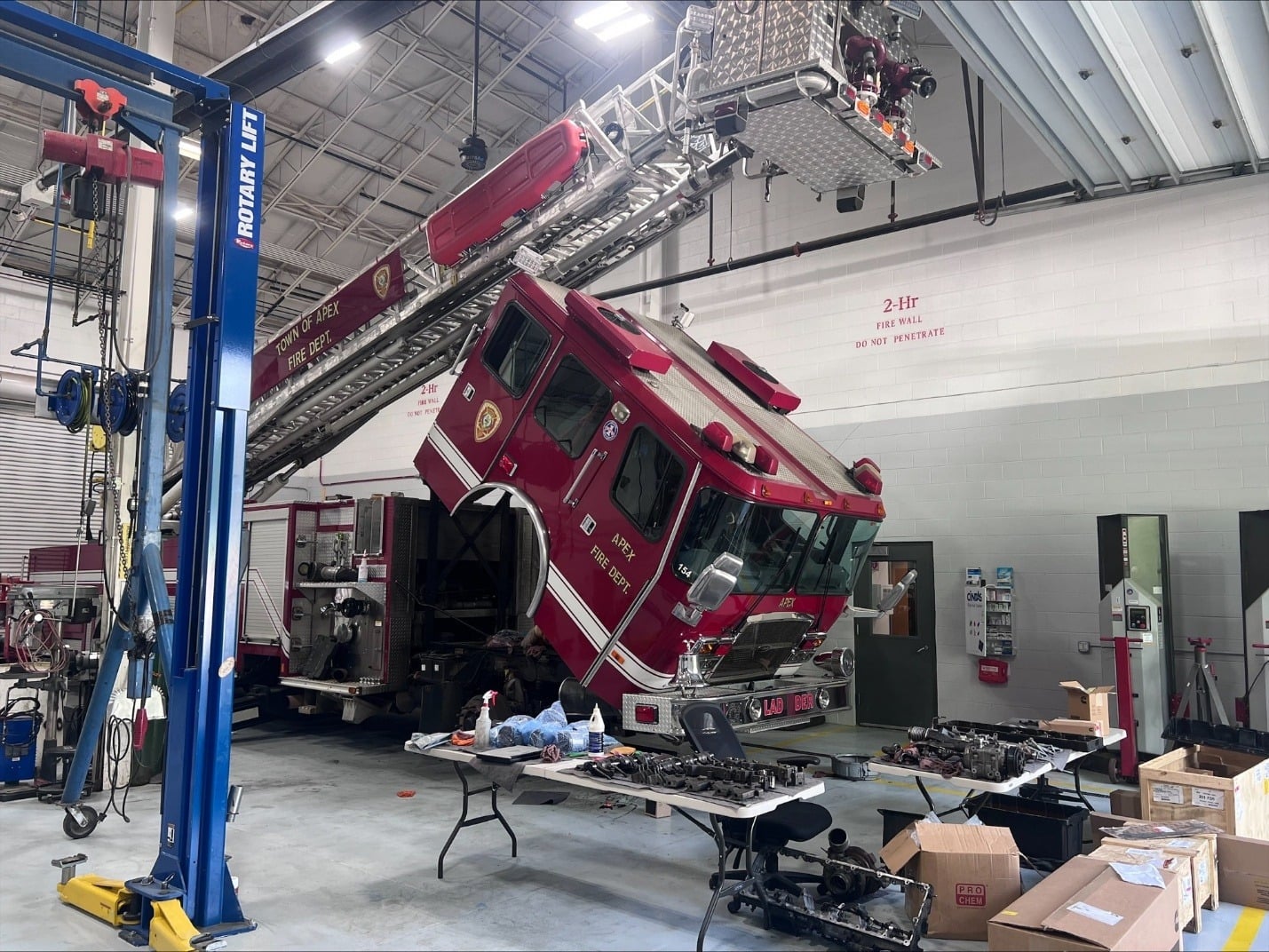
In the fast-growing Town of Apex, N.C., a fire engine was overheating, and its fleet manager knew it. The driver didn’t — he presumably saw a check engine light. The town’s predictive maintenance system had notified Fleet Services Manager Bill Spare and his team, and within a day, the truck was in the shop, getting its top end rebuilt.
The system had caught the issue early enough that ”it saved us from doing the whole engine in the truck, which is very, very expensive on fire trucks,” Spare said.
That notification saved considerable repair costs, reduced truck downtime (four days instead of up to two weeks) and helped reduce workload for the understaffed shop.
That’s one of the benefits of predictive maintenance. Predictive maintenance software often integrates with a fleet management information system and uses telematics data to analyze diagnostic trouble codes and vehicle data. It identifies patterns associated with potential failures, allowing maintenance teams to diagnose vehicles, plan repairs and intervene before a breakdown.
While predictive maintenance may still feel slightly futuristic, some public fleets have moved past the pilot stage. We talked to two public fleets to discuss results, how shop workflow has changed and what’s next.
Testing predictive maintenance in public fleets
Whether it’s for new tech, new fuel or a new type of vehicle, pilots are an established way to determine if something is a good fit for your operation. With predictive maintenance, that means evaluating not only whether the technology works, but also how it fits into existing shop operations. According to Uptake CEO Adam McElhinney, integrating the software with existing systems is often relatively easy. Training employees and incorporating the information into daily workflows can be more complicated.
Town of Apex
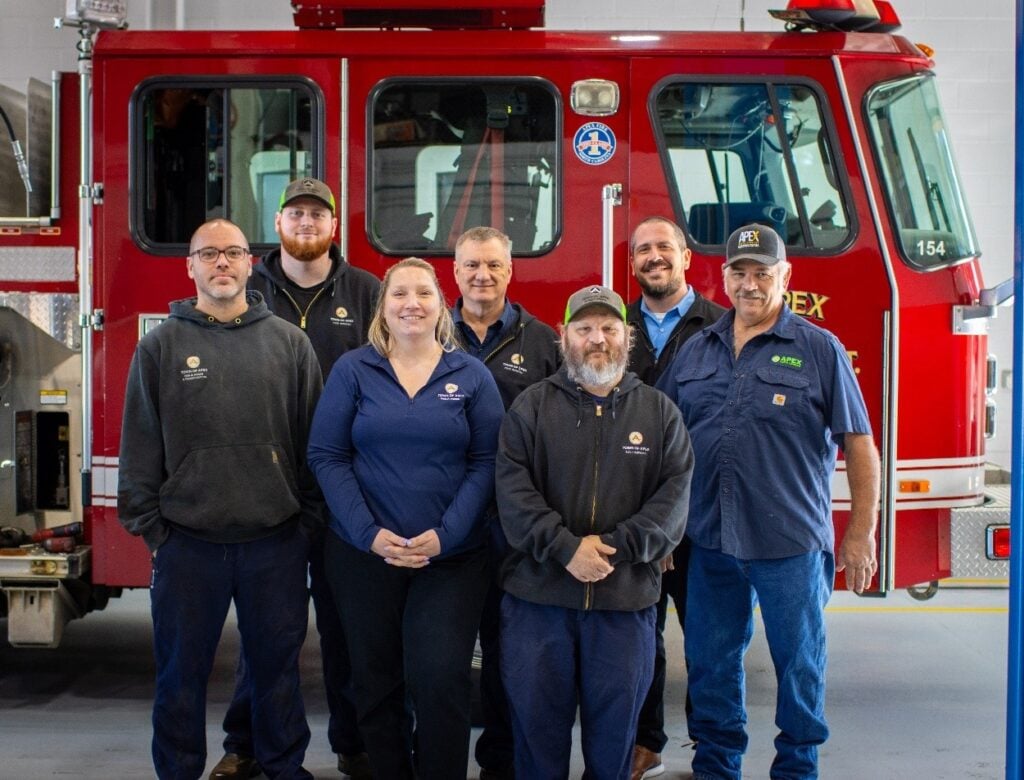
The Town of Apex conducted a nearly year-long pilot with Uptake, equipping all its 425 rolling stock vehicles with the technology. The vendor integrated its software with the existing Fleetio FMIS and Geotab telematics software. Spare said the implementation was relatively seamless.
The town has grown significantly in the past several years and so has its vehicle count. Its staffing and maintenance facility, not so much.
Spare said his number one motivation was to alleviate staffing constraints. For his 675-unit fleet, Spare estimates he needs nine techs, but there are only five positions, and they’re not all filled. He’s willing to try just about anything to reduce workload and streamline processes.
City of Long Beach

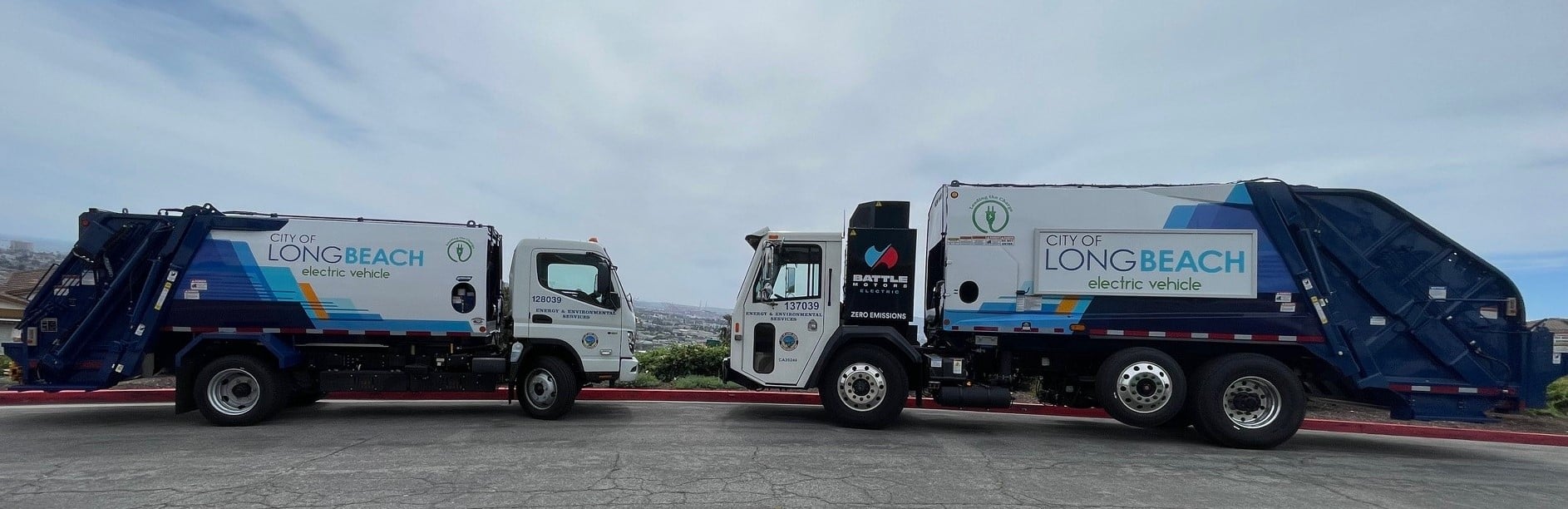
The City of Long Beach, Calif., began its predictive maintenance journey in 2022, piloting Pitstop for two years on more than 600 heavy-use vehicles: street sweepers, patrol vehicles, and refuse trucks. The predictive maintenance product was integrated with existing Geotab telematics software.
Long Beach received both virtual and in-person training from Pitstop. New office staff also receive training, usually virtually, and an analyst helps oversee the platform and train users. Fleet Services Manager Eric Winterset said ongoing training is necessary as employees change roles or new staff join the team. Winterset said he set out to test the system.
”I wanted to see if it actually would predict a breakdown and let it break down to see if it was true or not,” he said. He saw a critical notification come in on a street sweeper and monitored it instead of intervening. Sure enough, it broke down not long after the alert, and he was sold.
Another example of its effectiveness involved 15 Toyota RAV4s in the fire department. During the Christmas holidays, when many on the fire team were on vacation, the system alerted the fleet team that the vehicles’ batteries were low, a recurring issue because their onboard radios draw power even when the vehicles aren’t in use. In previous years, staff would return from vacation to dead batteries, forcing fleet technicians to spend hours jump-starting vehicles. This time, the team notified the fire department when they got the alerts so fire department staff could run the vehicles, avoiding the no-starts and associated downtime.
 1 / 2
How predictive maintenance works in the shop

At the Town of Apex, the fleet team worked with the vendor to categorize ”insights” by severity so staff could easily see if a vehicle needed to be brought in immediately or if it could wait until the next scheduled visit. For more severe alerts, Spare said the team adjusts its schedule to bring vehicles in sooner.
Technicians can also view the dashboard before a vehicle comes in, giving them a head start on diagnosing the problem.
For example, the town’s Ford F-150s were often getting alerts about random misfires, and 99% of the time, the cause is low oil, requiring an oil change.
”It gives our guys a little heads up, and they can plan accordingly,” Spare said.
The team has also learned when alerts aren’t actually critical. For example, many bigger trucks have battery cutoff switches to control their onboard equipment and technology. Drivers may turn it off, causing a battery failure alert.
But the system can only do so much for an understaffed shop. Spare said his team doesn’t have enough technicians to address every alert, so they prioritize the most severe issues. With more staff, they could catch and fix more problems before they result in breakdowns.
 1 / 2
At the City of Long Beach, fleet supervisors and service writers receive the notifications (rather than techs), classified as minor, major and critical. The team generally waits until a vehicle comes in for scheduled maintenance or another repair to address minor and major issues. Critical alerts, however, require more immediate attention. Winterset said the city receives relatively few of these — maybe 10 a year — because its fleet is relatively new.
When a critical issue arises, the team contacts the department liaison or the driver directly to bring the vehicle in.
”PD has a fleet liaison, and they’ll say, Unit 303 needs to be brought in because we predict a failure in the next three to five days,” Winterset said. ”And they’re very, very good about bringing [the vehicle] in because they don’t want to be on the side of the road.”
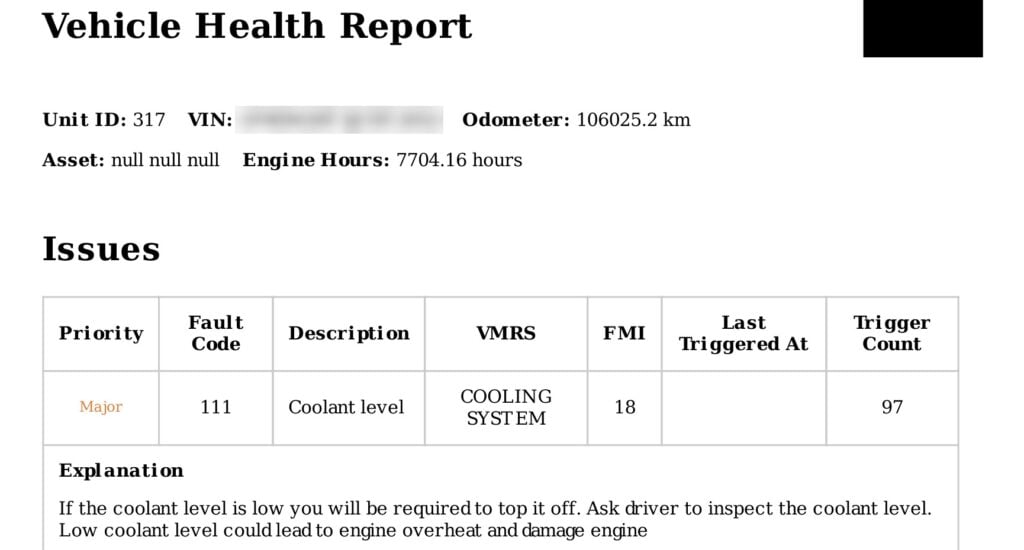
The platform is relatively easy to use, he said. Severe alerts appear first so the team knows what’s urgent. Users can select a vehicle to see its diagnostic trouble codes and pull up a health report. Techs can also use the report to view recommended diagnostic steps so they can identify the problem and determine what repairs are needed.
Reviewing results
Long Beach posted successful pilot results, identifying reductions in tow and road call events, reductions in repeat service visits and the ability to spread out maintenance costs. Two years post-pilot, Winterset confirms that vehicle availability has risen to a consistent 93%-94%, up from 90%-91% before implementing predictive maintenance. Additionally, scheduled maintenance now accounts for 74% of work, up from 70%, and has held steady for more than a year.Spare says he couldn’t collect measurable results for the Town of Apex’s fleet pilot — the shop workflow at the time didn’t allow this, although he’s now tracking downtime and other metrics. But for him, the change in workflow was positive enough that he thinks it’s worthwhile to use predictive maintenance for all the fleet vehicles.
”The biggest thing is just taking stuff off my plate,” Spare said. ”I or my supervisor, or even our admin person, none of us have the time to look at 425 vehicles, all the data that’s coming through, whereas this kind of proactively pushes it our way. We don’t have the bandwidth to do what [the software] does.”
Lessons learned: Technology is only part of the solution
Make sure alerts are useful. Predictive maintenance systems can generate notifications that don’t always require action. Long Beach learned this with its compressed natural gas (CNG) street sweepers, which regularly generated misfire codes during cold starts. The codes were legitimate, but the fleet knew they didn’t necessarily indicate a problem. Rather than have technicians ignore the alerts, the team reclassified them as minor notifications. The city has also customized alerts so supervisors only receive information about vehicles they oversee, reducing the number of notifications they have to sort through.
Figure out who will act on the information. Predictive maintenance can identify potential failures, but someone still needs to review the alerts, decide what needs attention and get the vehicle into the shop.

Adam McElhinney, CEO of Uptake.
Uptake CEO McElhinney said fleets that struggle with predictive maintenance often treat it as an IT project, giving technicians thousands of fault codes without a clear way to act on them. Eventually, technicians stop checking the dashboard.
”The ones that succeed focus on embedding predictive maintenance into their current workflows and team culture,” he said.
McElhinney said alerts should appear in the systems technicians already use. That way, a technician bringing in a vehicle for a tire change might also see an alert about a failing alternator and fix both issues during the same visit.
Look beyond the upfront cost. Both fleets already had telematics systems in place, making it easier to implement predictive maintenance. Predictive maintenance software can cost up to $12 per vehicle per month, though this can vary by vehicle type. Multiplied by hundreds or thousands of vehicles, and it adds up.
For Long Beach, software on 1,600 vehicles could cost $120,000 annually, and Winterset admits that’s a lot of money if you’re trying to calculate return on investment. But he adds that justifying the investment means looking beyond the subscription cost to potential savings from fewer road calls, towing expenses and vehicle downtime. Also, specialized vehicles can’t be down when they’re needed.
McElhinney said fleets should also factor in emergency repairs, overtime and the cost of keeping spare vehicles available. For public fleets, the costs can extend beyond the shop, with service disruptions affecting residents.
What’s next?
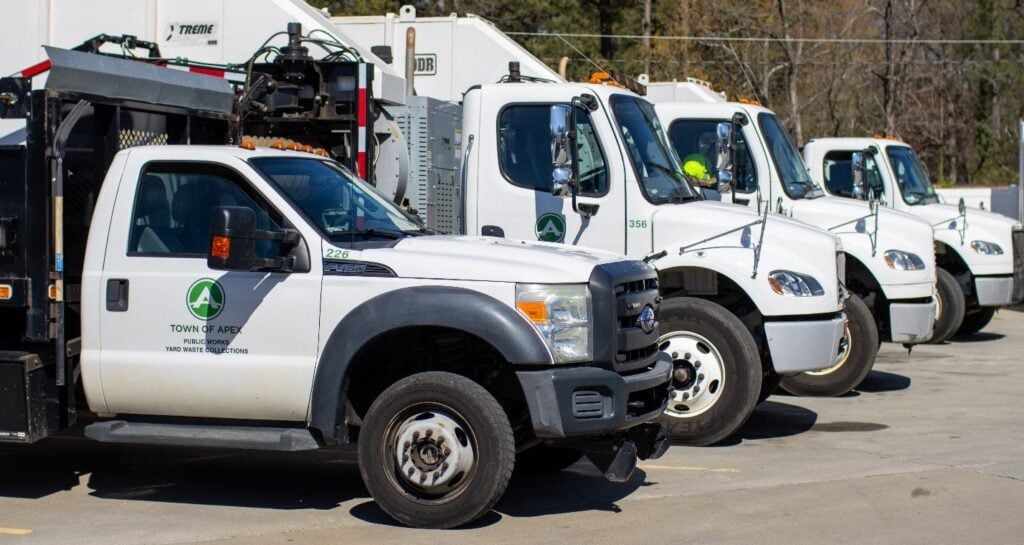
Post-pilot, Spare is convinced predictive maintenance is right for his fleet and plans to make it a permanent part of his operation. Budget constraints have slowed his progress, and until he gets full budgetary approval, he’s added the tech to 25 yard waste vehicles because they often have issues.
”I don’t think this will ever replace the need for additional staff, but it does aid with the ongoing headache that we’ve had. It makes our lives a little bit easier,” Spare said.
Following its successful pilot, Long Beach rolled out predictive maintenance on 1,600 rolling stock units. It’s currently transitioning from Pitstop to Uptake, the same vendor the Town of Apex uses.
For fleet managers considering predictive maintenance, Spare’s advice is to embrace the technology, despite the hesitancy around AI.
”There’s a lot of resistance with AI and that sort of thing right now. I think predictive maintenance falls into that category, so I think there’s a lot of hesitancy with the technology,” he said. ”But my advice would be don’t be scared of it. Embrace it, because it’s coming.”
Winterset faced similar hesitancy when pitching predictive maintenance to management. What he found worked was focusing on reducing downtime, increasing vehicle availability and making technicians’ jobs easier rather than replacing them.
”It’s just another tool in the toolbox. It makes mechanics’ jobs easier, and it makes the customers’ experience better,” he said.